I was unable to enjoy my balcony garden during the last rain. I would get targeted every night when I went outside to water my plants or simply relax with tea. I would get three, four, or five mosquito bites in a matter of minutes. I appeared to have a rash on my arms. after dark, my balcony which was meant to be my relaxing safe haven became a dangerous place.

What’s frustrating? this was what I was doing to myself. with all of its plant pots and beautiful containers, my lovely balcony garden served as a mosquito breeding ground. every decorative planter collecting rain, every pot saucer storing water, and every small puddle between pots provided mosquitoes with all they needed to grow by the thousands.
I didn’t take it seriously until one especially bad night when I was bitten seven times in ten minutes. I did a lot of research, tried a lot of different things, made some mistakes, and finally worked out how to get my balcony back. I can now enjoy my garden in the monsoon season without turn into a mosquito meal. please allow me to show what does work.
Why balcony gardens become mosquito heaven?
Knowing why your balcony garden attracts mosquitoes during the monsoon allows you to take care of the root cause rather than only treating its symptoms. the fact that you have plants is not the issue. what those plants bring with them during the rainy season is the issue.
Rainfall causes extra water to collect in unused tires, pots, holes, dustbins, and other items. there are possibly dozens of mosquito breeding grounds in your balcony garden that you are not aware of.

You use the lovely container as a planter? It is gathering rainwater if it lacks drainage holes. The saucer that collects extra water when you water your potted plant? the ideal growing mosquitoes ground. You left the old watering can in the corner. apartment complex with mosquitoes.
The monsoon season is the perfect time for mosquitoes to develop since they like warm, humid conditions with excess water. Rainwater gathering in puddles, open containers, and other locations provides mosquitoes with ideal breeding grounds. during the monsoon, your balcony has everything a mosquito could want. there is water everywhere, warmth, humidity, and wind protection. they don’t even need to search for places in order to reproduce. You’ve built a five-star resort for mosquitoes.
This is something that most people are unaware of. A large pond or bucket is not necessary for mosquito reproduction. It doesn’t take much for mosquitoes to put their eggs in open water.
A blocked gutter, a saucer under a flower pot, or water gathered in a children’s toy can all work. It is sufficient to have a bottle cap filled with water. rainwater gathers in the hole where two pots meet enough. that little pool of water in the floor of your balcony? More than sufficient.
The First thing you must do
You must go on a water seek before you purchase any goods or plants. more is changed by this one act than by all the others put together.
You should always keep an eye out for any areas with standing water in your yard or neighborhood. To stop mosquitoes from breeding, clear these areas right away. take a calm, walk around your balcony. you should look at each and every object. not only the obvious items like watering cans and buckets.

Check each pot saucer. It must be removed if even a teaspoon of water is present. It matters, so don’t say, “Oh, that’s too small to matter.” In that small amount of water, female mosquitoes is sure to lay their eggs, which will develop into young in a matter of days.
Examine lovely things. you use that lovely ceramic bowl as a planter? Flip it over. does it contain trapped water? those pretty pebbles or stones in a shallow dish? you can raise them up. water is most likely below it. the plant stand with grooves, the garden decoration, the bamboo stake holder? every possible collector of water.
Fixing your pots and planters
Whether or not mosquitoes may develop in your balcony garden greatly depends on how you arrange your pots. the majority of places for breeding are removed with minor container management adjustments.
First of all, drainage holes cannot be damaged. each and every pot on your balcony need good drainage. If you have decorative pots without holes, either drill holes in them or use them just for show (with a pot that drains correctly inside). there are no exceptions. rainwater collects in pots without drainage holes, creating stagnate mosquito breeding grounds.
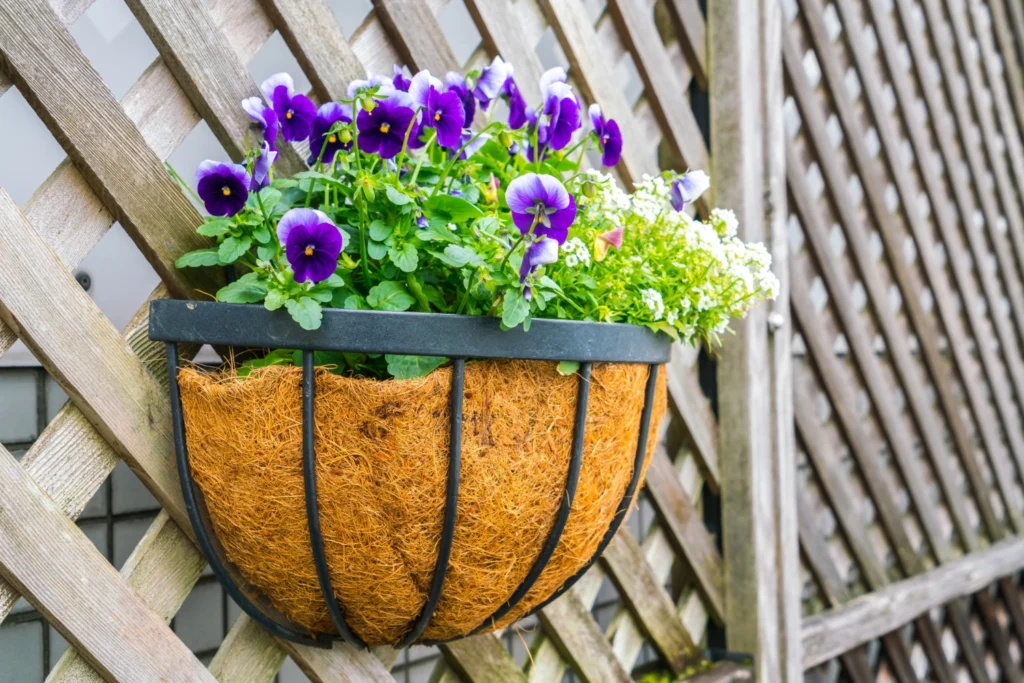
What about those cups now? in order to prevent extra water from dripping everywhere, most people put saucers under pots. those saucers contain water, which is the issue. there are several choices available to you. removing saucers completely during the monsoon is the best course of action. some water drainage is possible on your balcony floor. If saucers are absolutely necessary, make sure they are entirely emptied after each watering and rainfall. Not later, not tomorrow but right away.
Sprinkling coffee grounds on plant saucers, buckets, or muddy places is one hidden weapon I really believe in. coffee grounds are healthy for gardening but discourage mosquito larvae! for chemical-free protection, spread them along the edge of your terrace. you should add a thin coating of old coffee grounds to saucers if you are unable to get rid of them. Every week, replace the grounds. this stops mosquito larvae from growing, but it doesn’t stop water from gathering.
Plants that actually control mosquitoes
At this point, your balcony garden is no longer simply a problem but a part of the solution. there are certain plants have smells that naturally keep insects away. Thus, including them into your garden forms a barrier of defense.
Marigold
Marigold is the first plant to use as a natural mosquito repellant. this monsoon season, plant it outside to improve your garden and reduce the number of mosquitoes that can enter your house.

Marigold is an excellent plant to grow in gardens, balconies, and at house entryways because its flavor attracts mosquitoes, beetles, and other insects.
Marigolds grow in rainy weather, are easy to plant, and can withstand monsoon conditions. plant them around seating areas and next to the entrance to your balcony.
Holy Basil or Tulsi
Tulsi, also known as holy basil, is present in practically every Indian home and has several antiviral and antibacterial qualities. additionally, it has a strong scent that drives away a variety of insects, including flies, beetles, and mosquitoes.

The antimicrobial plant basil is used to keep insects away. when planted in the open spaces surrounding the house, this tall member of the mint family is said to naturally repel insects. the leaves can also be used in cooking. you may receive fresh herbs and mosquito protection by growing tulsi in a container next to your seat.
Lavender
During the monsoon season, the lavender plant works its magic to keep mosquitoes away by releasing a nice scent. there are certain plants may be a useful addition to your patio design since they naturally fight off insects.

Although citronella is the most well-known, other herbs including lavender, marigolds, basil, and lemongrass can also deter insects. Bonus point is that they smell and look fantastic. If you have correctly tied your pots, you should already have enough drainage, which is necessary for lavender.
Rosemary
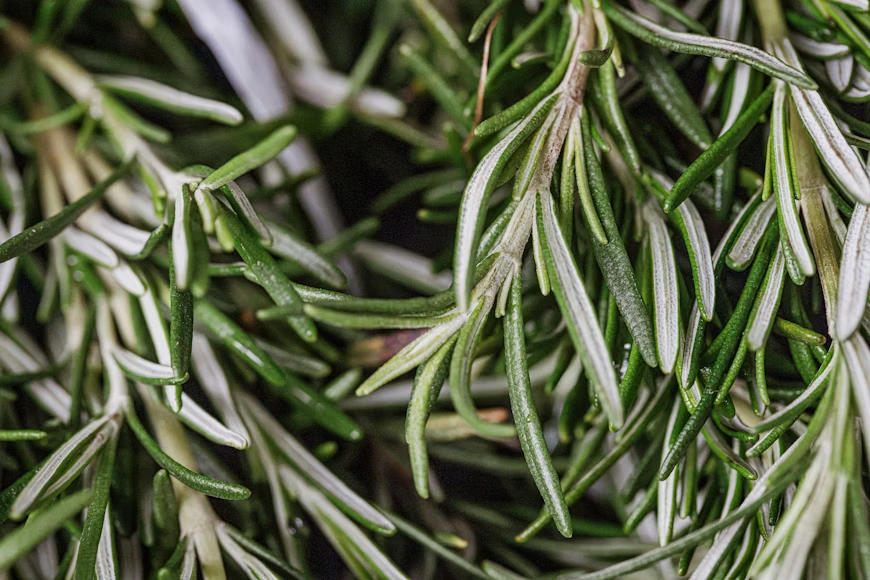
It is certainly one of the greatest indoor plants that effectively fight mosquitoes. you just simply grow rosemary indoors and observe how well it keeps flies, mosquitoes, and other flying insects away. You get two advantages because rosemary is also used in cooking.
Garden maintenance that prevents breeding
The number of mosquitoes that grow in your balcony garden during the monsoon depends on how you manage it. these care techniques prevent your yard from turning into a mosquito feeding ground.

Maintaining overall cleaning on the balcony and the surrounding yard is just as vital as getting rid of visible water tanks. Weeds, piled leaves, overgrown plants, moss, and other garden waste may all keep moisture and draw mosquitoes.
You should maintain clean balcony. moisture is stored in dead leaves that fall and collect in corners. you should cut back any excess vegetation that provides moist, thick hiding places. To get rid of particles, sweep often.
Long grasses provide excellent cover for insect pollinators, but they also give mosquitoes a wind-free, quiet place to hide, particularly if there is standing water nearby. keep the grasses around garden beds and high-use areas clipped to reduce mosquitoes in your garden. during the monsoon, tie back any decorative grasses or herbs that grow thick and tall. High humidity and dense greenery provide for ideal mosquito resting places.
Instead of watering your plants in the evening, do so in the morning. watering in the morning allows extra water to evaporate during the day. mosquitoes enjoy the moisture that is left overnight by evening drinking water. If you must water in the evening, only the soil should be immediately watered and do not soak the leaves or create ponds.
What about mosquito dunks and larvicides
Sometimes, even with your best efforts, water builds up in an area that is difficult to drain. there are safe biological controls for these situations.
BTI, a bacterium found in mosquito dunks or bits, kills mosquito larvae but poses no threat to humans, pets, or plants. If you are unable to get rid of standing water, drop one.

They keep eggs from growing into adult mosquitoes for around 30 days. this is ideal for large pot saucers that are difficult to empty on a regular basis or beautiful water features.
Beneficial insects are not harmed by BTI, which primarily targets mosquito and fly larvae. It doesn’t kill bees, butterflies, or the rest of the pollinators that come to your garden like chemical pesticides do. adult mosquitoes cannot be controlled using pesticides. additionally, they remove beneficial insects and mosquitoes’ natural predators, which encourages the growth of mosquitoes and raises the possibility that they may become more resistant to the pesticides.
A tiny pinch of BTI granules stops mosquitoes from developing in extremely small water collections, such as the core of these plants or other plants that naturally store water, without damaging the plant.
When professional help makes sense
Sometimes issues with balcony mosquitoes are too big for do-it-yourself solutions. you may avoid frustration by knowing when to ask for help.
If all standing water has been removed, repellent plants have been installed, fans and barriers have been used, and mosquitoes are still crowding your home, your balcony may not be the problem. thousands of mosquitoes may be breeding on your neighbors’ balconies, neighboring dirty areas, or building drainage problems.

By focusing on both adult mosquitoes and the areas where they produce eggs, professional treatments can provide longer-lasting relief. these services focus on areas you might overlook and are frequently customized for the deck and yard. treatments can be sprayed for weeks or even months by pest control firms. they can also locate nesting grounds that you may have overlooked.
Speak with building management about implementing a mosquito control program for the entire building if individual efforts are insufficient for apartment balconies. fixing your balcony alone won’t address the issue if mosquitoes are reproducing on everyone else.
How much water do mosquitoes need to breed?
Mosquitoes don’t require a lot of water. it may reproduce in as little as half an inch of resting water, yet they need water to complete their life cycle. Standing water may have many broods of fast-growing (and biting) mosquitoes in as little as four days. mosquitoes can place their eggs on anything from a bottle cap of water to the little groove where two pots meet.
Do mosquito eggs survive if I empty the water?
Mosquitoes will lay their eggs in a container that fills with water. this ggs will keep to the container’s side. it remain trapped at the water line even if the water is removed. an eggs will hatch the next time the container is filled with water. after emptying containers, you must scrape or wipe them to get rid of eggs that have stuck to the sides.
Do mosquito-repelling plants really work?
These “Hey, we got a human here!” messages may be covered up by plants with powerful smells before they get to the pests’ scent receptors. as I mentioned before, planting specific plants in your yard is insufficient. because of their limited range of action, mosquito-repellent plants are only one tool in your environmentally friendly management approach rather than the answer. although they are helpful, plants cannot resolve the issue on their own. you need a variety of plants in addition to other methods.