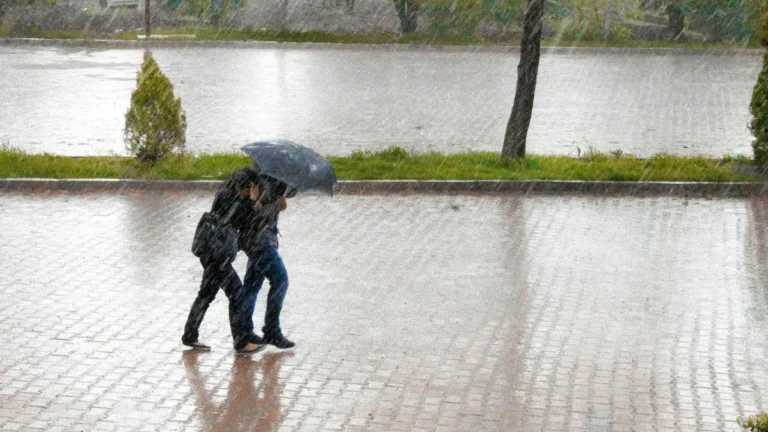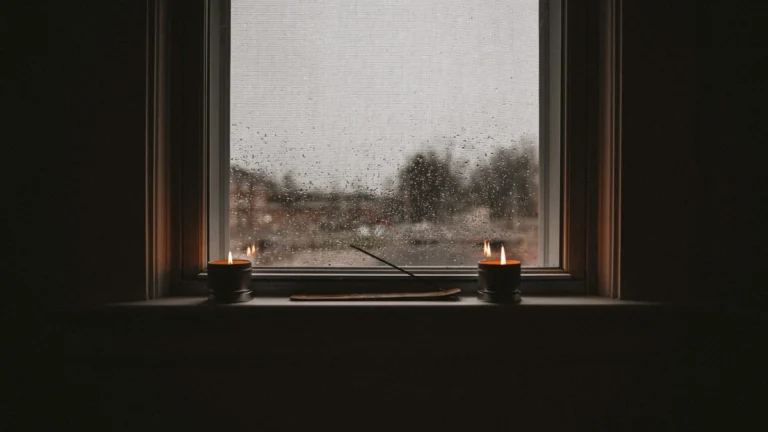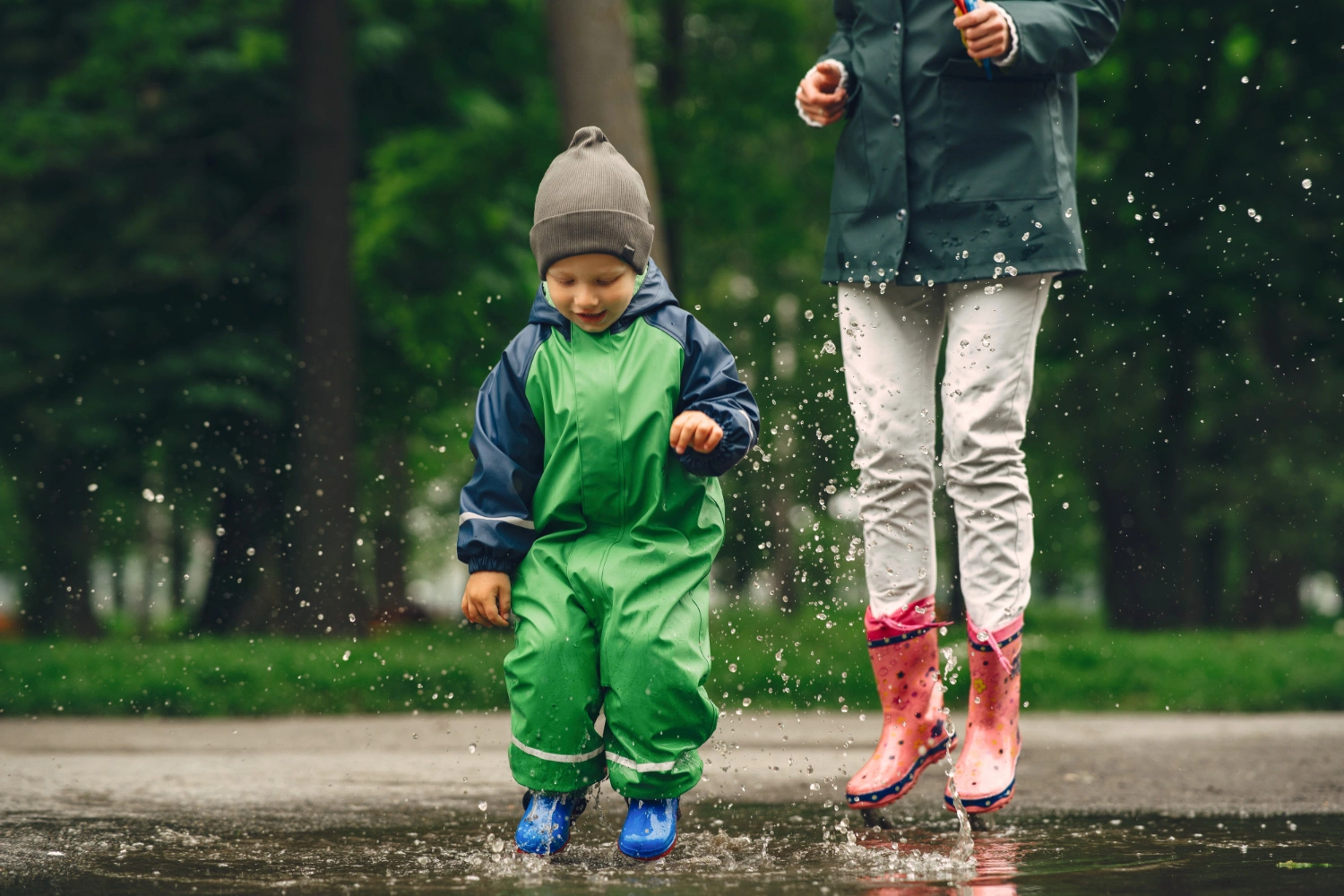
The first drops of rain hit the window, and there it is that excited shout from the other room. your children are eager to go splash in water as they approach the door. and really? A part of you wants to allow them.
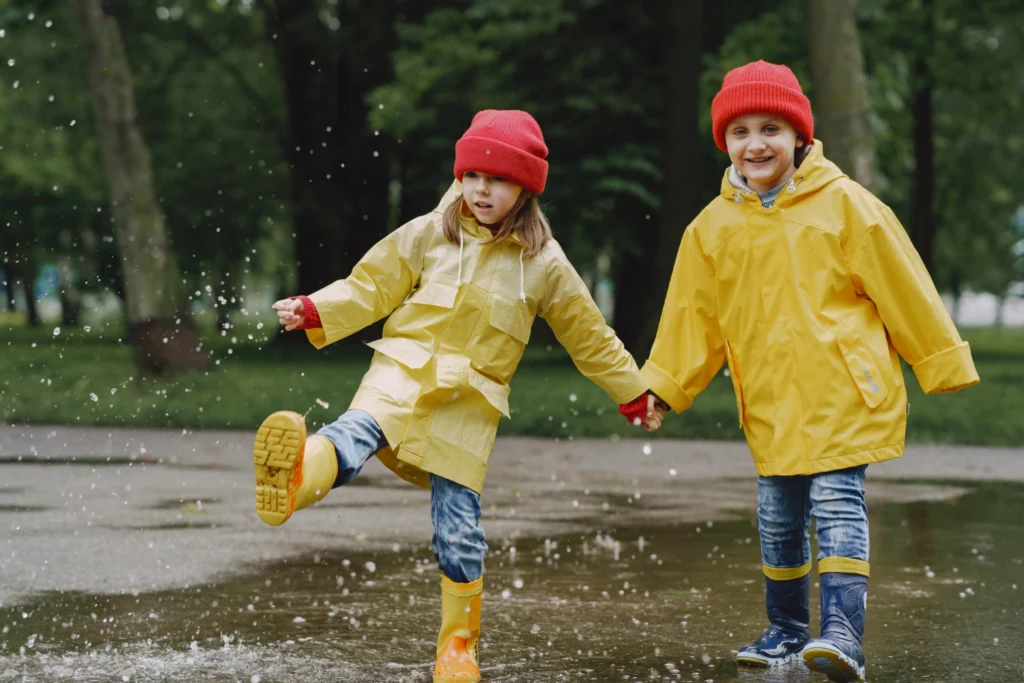
Watching kids discover the joy of rain is a lovely experience, isn’t it?
However, reality sets in. because you know of what happens following puddle jump sessions: the horrific stomach illness that causes everyone to be unhappy for days, the cough, and the fever that begins at two in the morning.
The problem is that you don’t have to keep your children indoors like locked up for the duration of the monsoon.
All you have to do is be clever about it.
- Why Monsoon Season is tricky for kids
- The Morning Routine that makes all the difference
- The Clothes Strategy that nobody talks about
- Food Rules that actually work
- Best hygiene habits for kids during monsoon
- The Mosquito Battle Plan
- Best tips for children regarding school days during monsoon
- Mistakes to avoid for children in monsoon
Why Monsoon Season is tricky for kids
To be honest, the monsoon is about more than just being wet. then what’s actual problem? when it starts to rain, everything is different.
The water content of the air increases. Mosquitoes grow rapidly. every puddle and wet hole provides perfect conditions for the growth of bacteria and viruses. what about kids? their immunity systems are still figuring things out.
What most parents are not conscious of is this:
Health problems during the monsoon season are not coincidence. they stick to patterns. you can really keep ahead of these trends if you are aware of them.
If you are travelling in jakarta and want to try different activities then this detailed guide will help.. read here
The most common monsoon troubles for kids include:
- Waterborne illnesses: when it rains a lot, dirty water becomes a major risk.
- Cases of dengue and malaria, which are spread by mosquitoes, quickly increase.
- Respiratory infections: Cold and flu viruses grow in the moist weather.
- Fungal diseases grow on the wetness of the rainy season.
- Food contamination risks are significantly increased by digestive problems.
But don’t worry. I’m not here to scare you. I’m here to give you a practical game plan that actually works.
The Morning Routine that makes all the difference
Are you thinking how to keep kids healthy during the monsoon season? Get the day off to a good start. Mornings are already stressful I know that. Adding more tasks to your to-do list is the last thing you need.
But listen to me.
A Warm, Nutritious Breakfast
You should take a break from those cold cereals. Warm meals have a unique immune booster effect during the monsoon season.
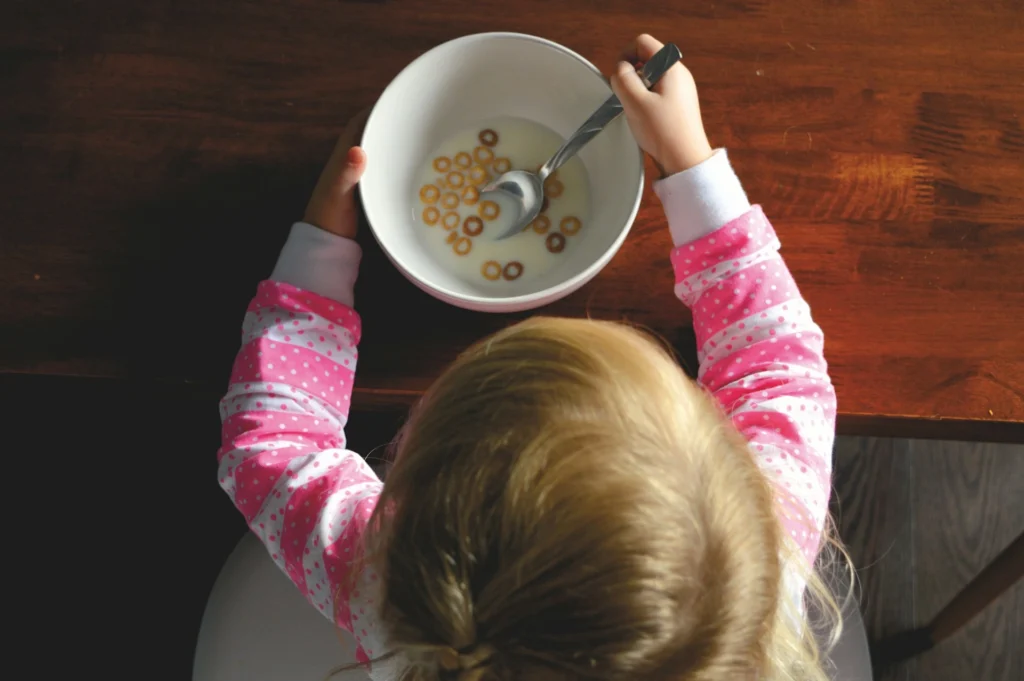
Try this rotation:
- Porridge with honey and nuts (adds warmth and energy)
- Vegetable upma with a side of coconut chutney
- Poha loaded with veggies and peanuts
- Warm moong dal khichdi with ghee
Pro tip: Add a pinch of turmeric to whatever you’re cooking. That golden spice is nature’s antibiotic.
The Hydration Habit
Most people miss the fact that children should drink more water during the monsoon season rather than less.
Yes, it does sound odd.
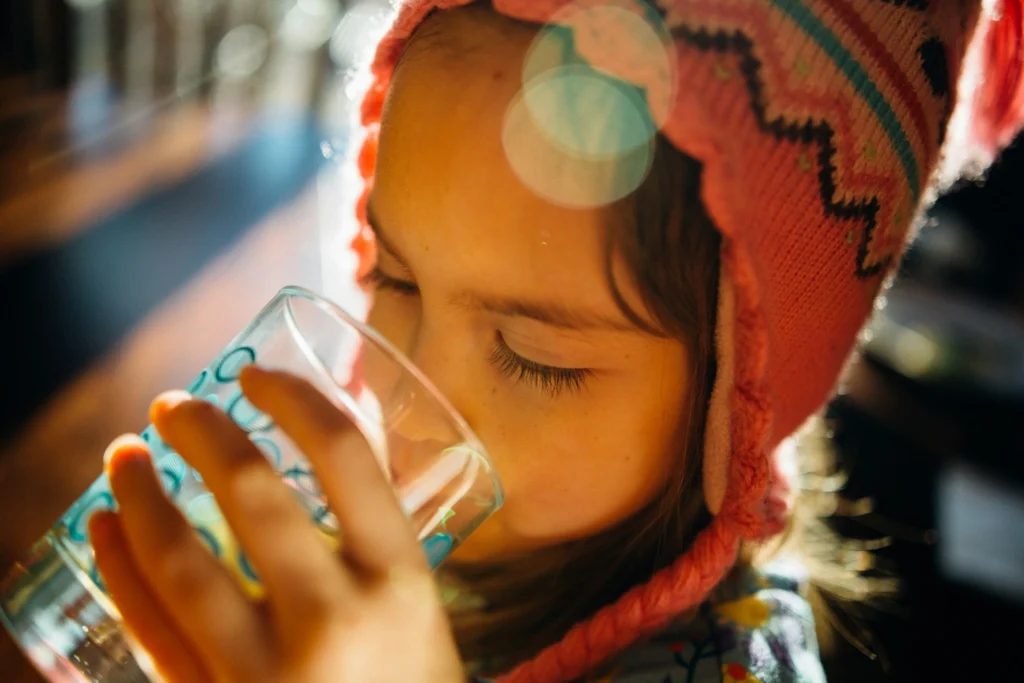
However, consider that when it’s colder outside, kids don’t feel as thirsty. They skip out on hydrate. and their immunity is reduced at that point.
Make it easy:
- Keep a colorful water bottle within reach.
- Add some lemon or cucumber slices for flavor.
- Give warm water instead of cold (easier on the tummy) 😁
One Vitamin C Item
Please make sure they eat something high in vitamin C before they go.
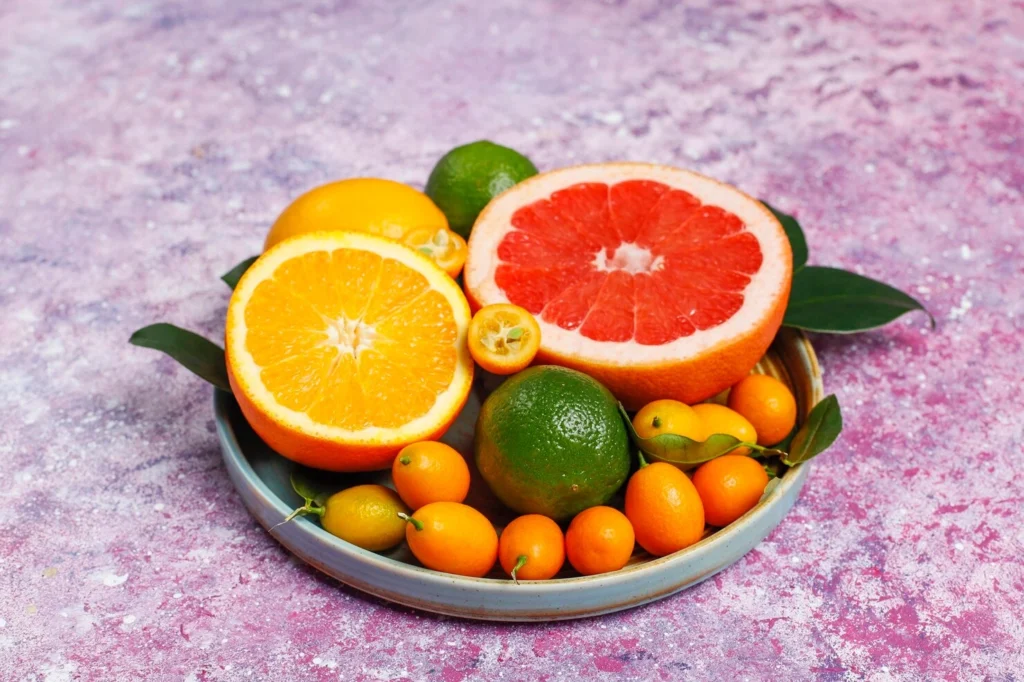
It could be:
- Fresh amla juice (mix with honey if it’s too sour)
- An orange
- Homemade lemon water with a tiny bit of rock salt
This little procedure is capable of reducing the effects of colds and flu.
The Clothes Strategy that nobody talks about
Let’s discuss something useful: what should children wear in the rainy season?
Most parents make this mistake.
They either underdress them (because it’s not really “cold”) or overdress them (believing that more clothes equal more protection).
Here’s the smart approach:
Cover It Up
You should use layers rather than a single heavy sweater:
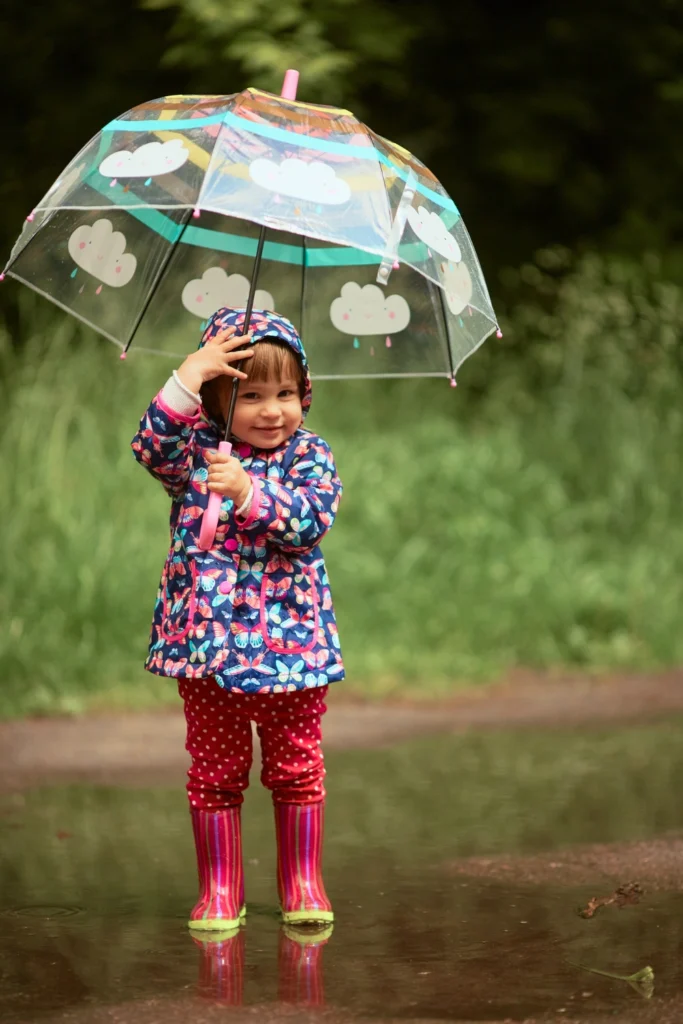
- An interior layer of breathable cotton
- A lightweight t-shirt or full-sleeve shirt
- When heading outside, take a windbreaker or raincoat
Why? layers allow children to get used to because they heat up quickly when playing.
Always Pack Extras
In their school backpack, have an extra set of clothes always. because air conditioning combined with wet clothing is a certain way to become ill. and with relation to damp clothing…
The 30-Minute Rule
Never, I mean never, let children spend more than half an hour sitting about in wet clothing.
As soon as they get home from the rain, they immediately take a warm bath and change into dry clothing. there should be no negotiation.
Food Rules that actually work
Your kitchen turns into your first line of protection during the monsoon season. what no one tells you, though, is that it’s not just about what you eat. It affects how and when.
The Street Food Question
See, I understand. It’s difficult to avoid the taste of hot pakoras on a wet night. but in the monsoon, street food? playing with fire is what that is.

The meal itself isn’t the issue. When everything is wet, it’s how it’s prepared, handled, and stored.
Make monsoon snacks at home as a compromise. In any case, handmade samosas, pakoras, and corn bhuttas taste better.
Vegetables to look for:
During the monsoon, several vegetables become favorites for disease:
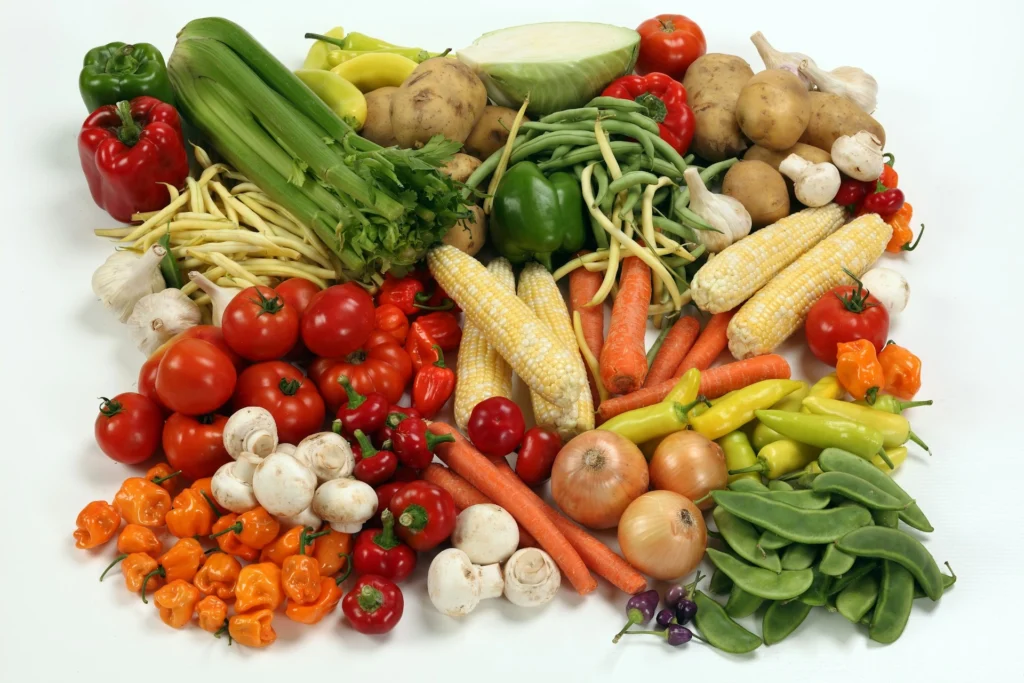
Avoid or wash thoroughly:
- Leafy greens (they’re hard to clean properly)
- Cauliflower (holds water)
- Cabbage (same issue)
- Pre-cut fruits from vendors
You should go for instead:
- Bottle gourd
- Ridge gourd
- Pumpkin
- Carrots
- Beetroot
These are easier to clean and less likely to contain germs.
The Hot Food Rule
During the monsoon season, serve everything hot.
Food at room temperature? bacteria enjoys parties there. Reheat food thoroughly before serving, even if it was prepared in the morning. and I mean properly, not simply with a microwave shot that lasts 30 seconds.
Probiotic Power
The center of your child’s immunity is their stomach.

You should keep it content with:
- Handmade curd that is fresh, not packaged
- Buttermilk
- Fermented dishes such as dosa and idli
After lunch, a little dish of curd can have a major effect.
Best hygiene habits for kids during monsoon
It’s difficult for children to practice good hygiene, let’s face it. you should get them to jump in every pool during the monsoon season? even more difficult.
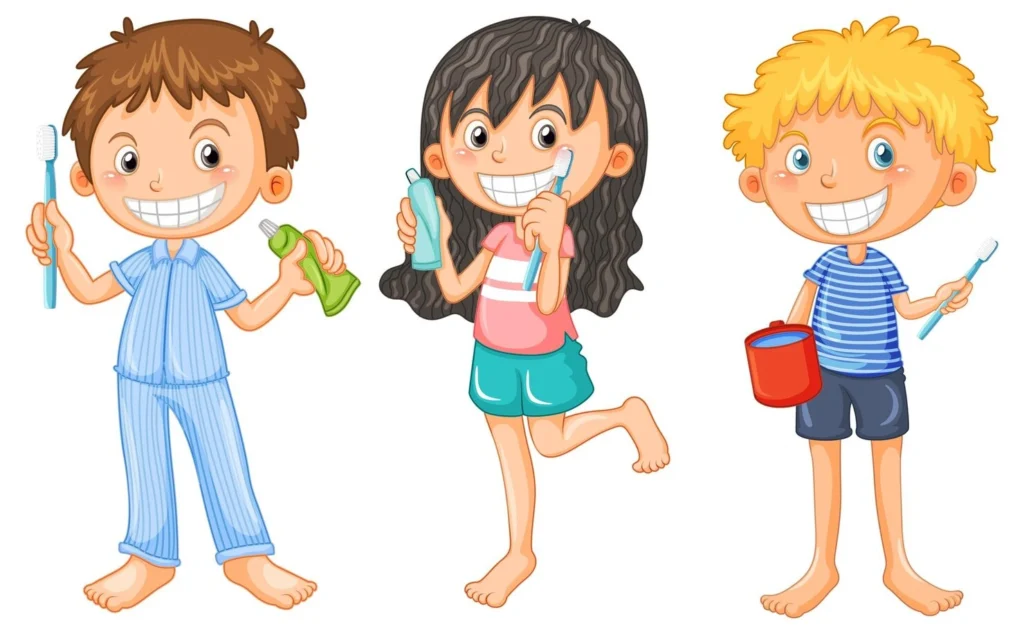
However, these few behaviors cannot be changed:
Hand Washing (for real this time)
Not that quick rinse under running water.
Real hand washing means:
- Soap and water for at least 20 seconds
- Between fingers, under nails, the whole deal
- Every single time they come home from outside
- Before meals
- After using the bathroom
You should have fun. play a song. make use of foam soap. whatever is effective.
Nail Duty
- Dirt collectors with long nails are a certain way to get stomach illnesses.
- You should keep them short and clean.
- Trimming should be done once a week.
Footwear Matters
- If they have been outside in the rain, kids should not be allowed to go around the house shoes.
- Puddles of rain are more than simply water. they are an arrangement of all things ugly from the streets.
- You should place a special pair of home slippers at the door.
Hair Care
During the monsoon, wet hair is possible source of fungal infection.
After getting caught in rain:
- Dry hair completely
- Use an anti-fungal shampoo once a week
- Apply coconut oil to prevent scalp infections
The Mosquito Battle Plan
Dengue. Malaria. Chikungunya.
During the monsoon, they are not simply scary words, but they create actual risks. additionally, children are especially at risk since they play outside and are not as aware of insects.
This is your plan of protection:
Remove standing water
Take a weekly walk around your house and verify whether water has been gathered in:
- Plant pot trays
- Old tires
- Bucket cornersT
- anks for coolers
- Any water-holding container
You should clean them. even little volumes of water that remains stagnant can act as a home for mosquitoes.
Cover Up
When children are playing outside at morning or dark, when mosquitoes are most active:
- Shirts with full sleeves
- Full-length trousers
- Closed-toe socks
- Perhaps even a patch that keeps away mosquitoes
Indoor Protection
- At night, use mosquito netting.
- Close the windows in the morning and evening.
- Install mosquito repellent devices in their living areas.
- Close any gaps in the window screens.
Best tips for children regarding school days during monsoon
Yes, school is where children share everything, even germs and pencils.
Although you have no say over what happens there, you may better prepare them.
The Rain Gear Checklist
Every school bag should have:
- A good quality raincoat (cheap ones tear easily)
- An extra pair of socks
- A small towel
- A plastic cover for books
- A spare mask
The Post-School Routine
When they arrive home, set an unchanging order:
- Remove shoes at the door
- Straight to wash hands and feet
- Change out of school clothes
- Quick face wash
- Then they can relax
Perform this like cleaning your teeth, it doesn’t take any thought.
Mistakes to avoid for children in monsoon
Let me save you from common pitfalls:
Over-medicating
Not every sniffle needs medicine. your kid’s body needs to learn to fight off minor infections. that’s how immunity builds. unless it’s serious, give home remedies a chance first.
Keeping them inside all day
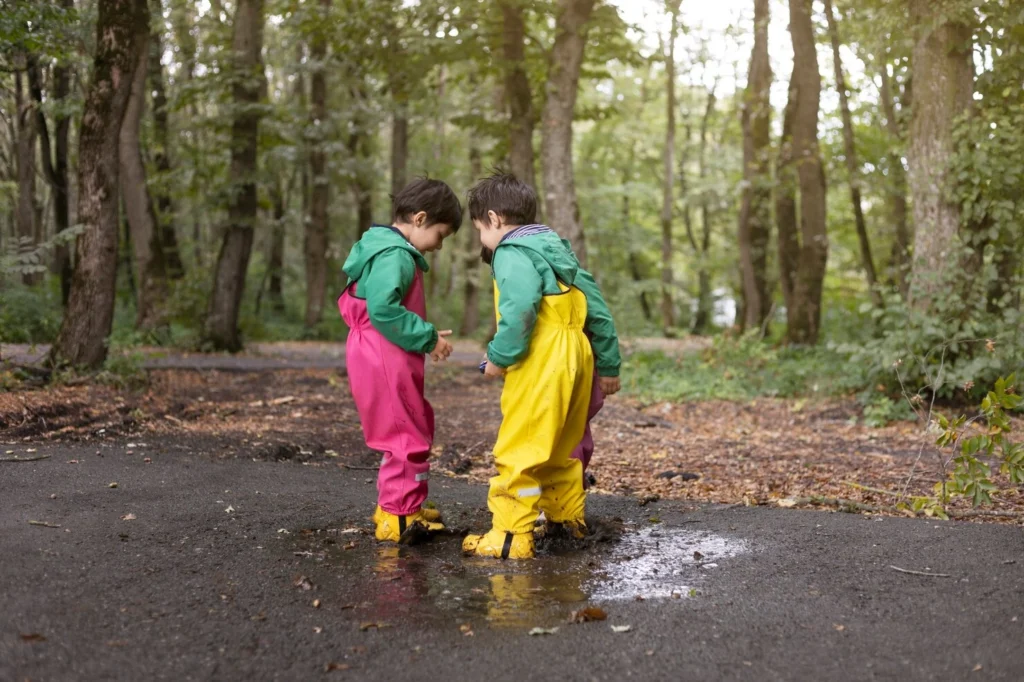
Yes, there are risk to health during the monsoon. however, keeping children indoors for months at a time? their physical and emotional health falls as a result.
Give them a chance to play. simply use good judgment when and how.
Ignoring Mental Health
Rainy days may be sad. there is limited outside time has an affect on mood.
Watch for signs of:
- Being very irritable
- Changes to sleep habits
- Appetite loss
- Leaving behind things they typically enjoy
Children may require extra care and attention during the long monsoon season.
What are the most common diseases children get during monsoon season?
Colds and flu are the most common diseases, followed by dengue and malaria from mosquito bites, gastroenteritis (infections of the stomach), typhoid and diarrhea from drinking dirty water, fungal problems and skin infections from wetness, and respiratory conditions including pneumonia and bronchitis. Children’s growing immune systems make them more at risk.
How can I boost my child’s immunity during the rainy season?
You should give them fruits like oranges, guavas, and amla that are high in vitamin C. Add probiotics to their diet on a daily basis, such as buttermilk and yogurt. Instead of giving them cold food, provide them warm, freshly prepared meals. Once a week, traditional kadha (a herbal tea made with turmeric, ginger, and tulsi) is beneficial. Also make sure kids maintain an active lifestyle even inside and receive enough sleep.
Is it safe to let kids play in the rain?
While short play sessions are OK, longer play is not. staying in wet clothes after the rain and the way that rainfall combines with germs and toxins from the streets are the bigger problems than the rain itself. If they do play in the rain, make sure they change into entirely dry clothes within 30 minutes and have a warm bath right after.