I had an issue with my bathroom. It was a continuous moisture that never fully went away, rather than a terrible flooding-water-everywhere issue. After showering, the mirror remained cloudy for longer than it should have. It took hours for the towels to dry.

The worst part was that no matter how much I washed, I could still see those obvious black mold areas growing along the grout lines. In the heart of winter, I experimented with keeping the door open, working the exhaust fan for longer, and even breaking the window. It didn’t really work.
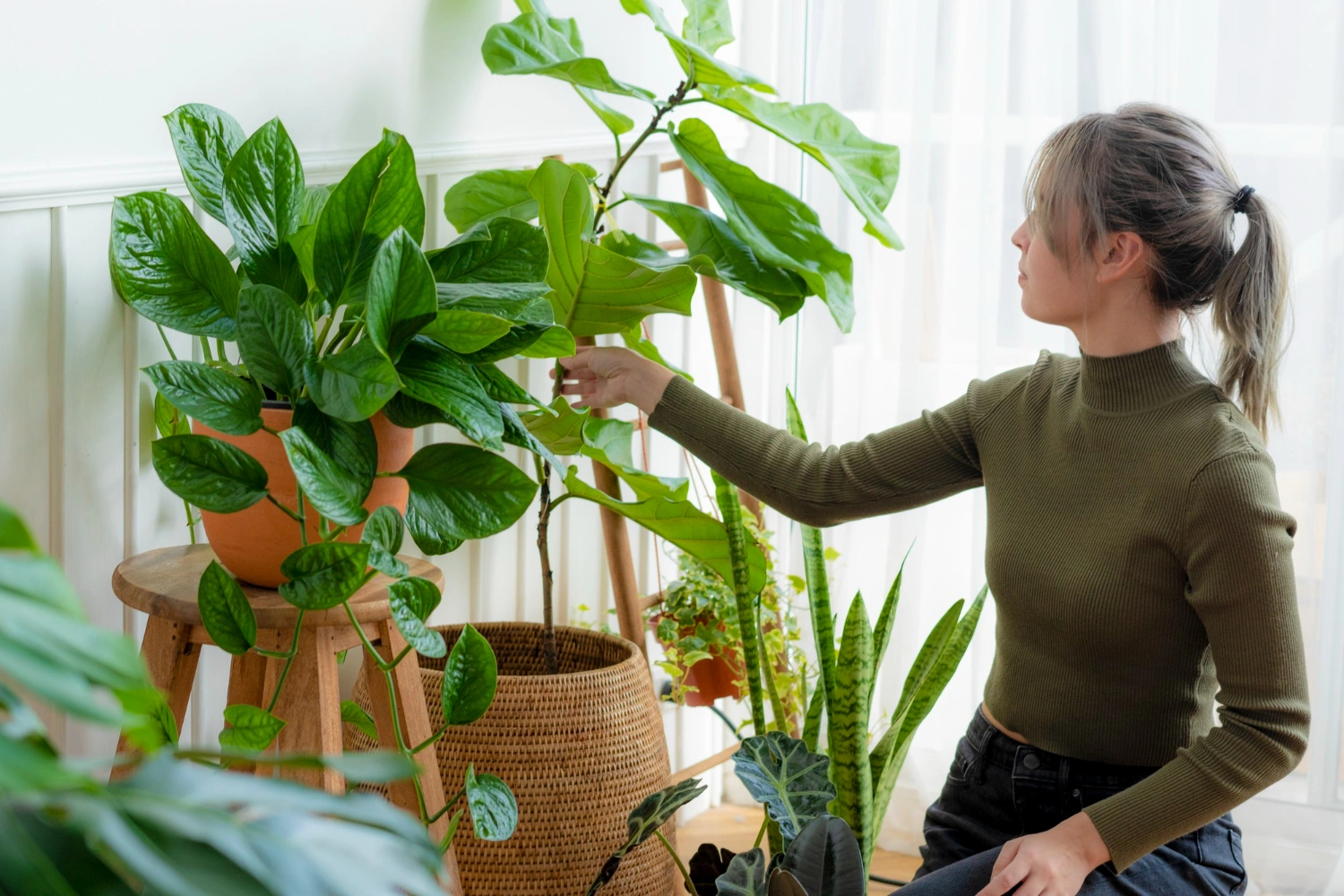
Then my plant-loving buddy advised me to try adding some greenery into the bathroom. I had doubts. given that they require water to succeed, how may plants help with dampness? so let’s check out best air-purifying plants for damp rooms in home.
How plants actually help with wetness?
Let’s clear a common myth before discussing the best plants. How can plants reduce moisture if they require water? Although it may appear odd, if you grasp the science, it makes perfect sense. Leaf absorption is a method by which houseplants take in minute amounts of water vapor from the air through their leaves.

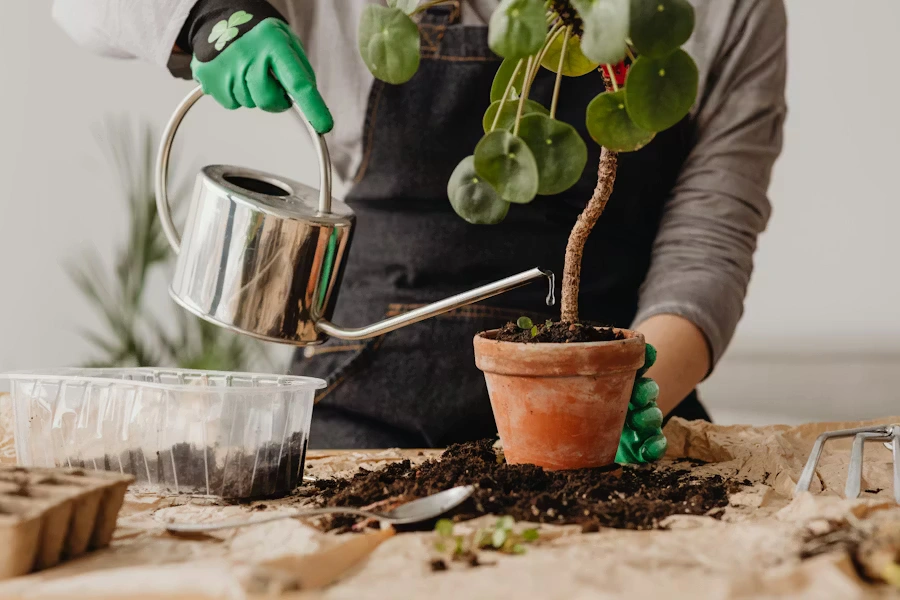
Some plants will be most suited to this, particularly those that are natural to tropical, wet regions. in fact, they will prefer a wet environment over a dry one. Because your wet bathroom or basement reminds them of their original home, these plants are truly content there rather than just surviving.
Through an additional process known as transpiration, plants will also control how much moisture they release. But according to study, plants will adjust to humid conditions and release less water vapor, so they won’t be contributing too much moisture to any wet spaces.
The most important part is this plants release moisture to make the air in dry spaces more humid. they continue to gather moisture through their leaves while adjusting and releasing significantly less in existing humid environments.
Peace Lily for Bathrooms and Dark Corners
Without a doubt, the peace lily is the one plant I would choose for a wet space. this plant has several advantages and is nearly reliable in humid environments. the Peace Lily is a powerful purifier, as we mentioned in our earlier guide to air quality.

Because they may remove common household contaminants like formaldehyde and benzene, NASA study has found that they are among the finest houseplants for cleansing the air. however, the advantages extend well beyond moist environment air purification.
Additionally, peace lilies’ leaves are ideal for absorbing extra moisture in your house. You may put it in bathrooms and bedrooms, or anyplace that has lower light levels and feels damp enough for peace lilies to thrive. because of this, they are very adaptable for the exact spaces that frequently have moisture issues.

Peace Lilies are a great option for both new and experienced plant lovers since they are easy to care for. their watering requirements are readily satisfied by keeping their soil continuously moist without overwatering, and they flourish in areas with moderate to high humidity. keeping a peace lily doesn’t need you to be an expert in plants.
English Ivy for Mold Problems
English ivy should be your first option if you are particularly worried about mold in moist locations. most houseplants can’t equal the amazing thing this trailing vine gets done. In less than 12 hours, English ivy may remove 78% of airborne mold. It’s not a typo. In less than a day, this plant can significantly decrease the amount of mold particles in the air.
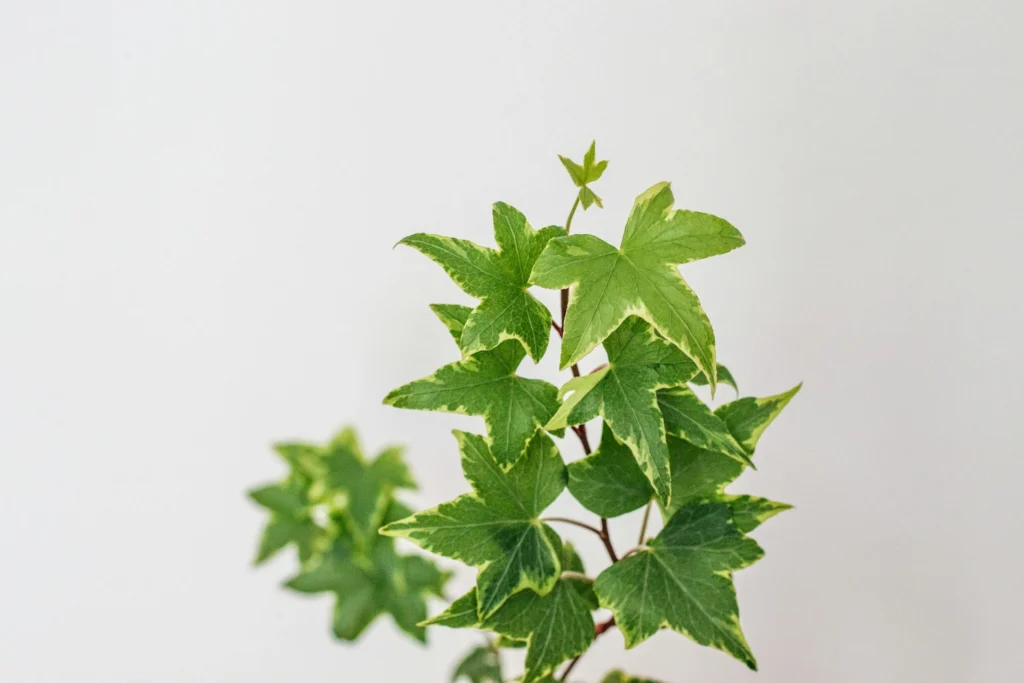
English ivy, a tough leading vine that NASA particularly recognized for its capacity to remove airborne mold spores, is your go-to defense against mold. English ivy is frequently ranked among the best air-purifying plants by NASA, particularly when it comes to controlling mold.
An English ivy might be a fantastic choice if you’re searching for moisture-absorbing bathroom plants for the damp, dark areas where mold appears to do well. you are aware of the areas in your basement or bathroom where, despite your best efforts, mold continues to grow. so plant an English ivy there.

Because English ivy is a trailing plant, it looks great in hanging pots or on tall shelves where the branches may fall. I use a hanging planter to grow English ivy so that its leaves may fall down. In a room that frequently becomes musty, it helps produce cleaner air.
It also takes up less floor space because to its leading growth pattern, which makes it ideal for tight spaces or little restrooms.
Snake Plant for Low Maintenance Moisture Control
The snake plant is the solution for those who want the advantages of plants in moist spaces but are worried that they would destroy everything green. One of the most understanding houseplants you will ever come across is this one.
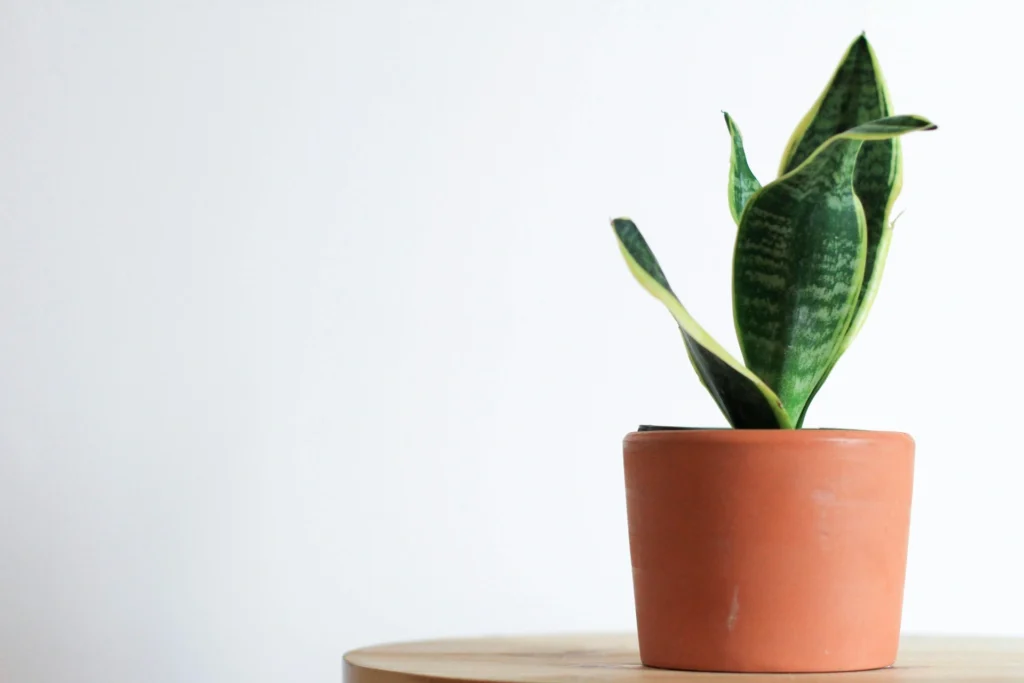
The Snake Plant, also known as the Mother-in-Law’s Tongue 😂, may sound difficult, but it’s actually one of the greatest plants you can place in your bathroom. It filters common home pollutants like formaldehyde in addition to absorb excess moisture. Its leaves, which stand build like tongues, are the source of the odd name.
The strong snake plant is well-known for its capacity to filter the air and lower air moisture. It is a low-maintenance, easily maintained choice. A snake plant might end your losing run if you’ve smashed every plant you’ve ever owned.

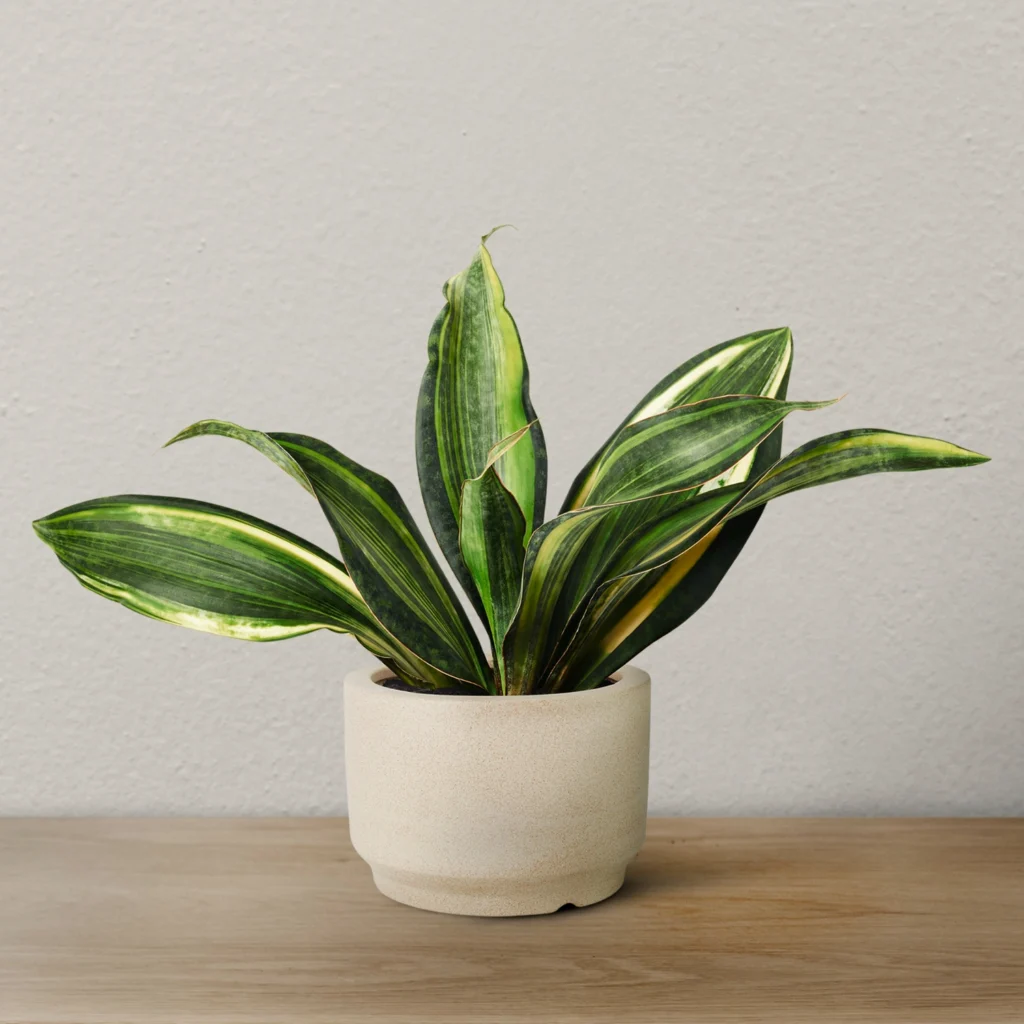
Leaf sizes and patterns vary among snake plants. Some feature the usual snakeskin-like design of green and yellow stripes. others feature unique variegation patterns or are plain green. All types are able at handling humidity, so pick the one that best to you.
Boston Fern for Maximum Moisture Absorption
Boston ferns are excellent in removing humidity from the air if you want significant moisture management and don’t mind a plant that requires a little more attention.

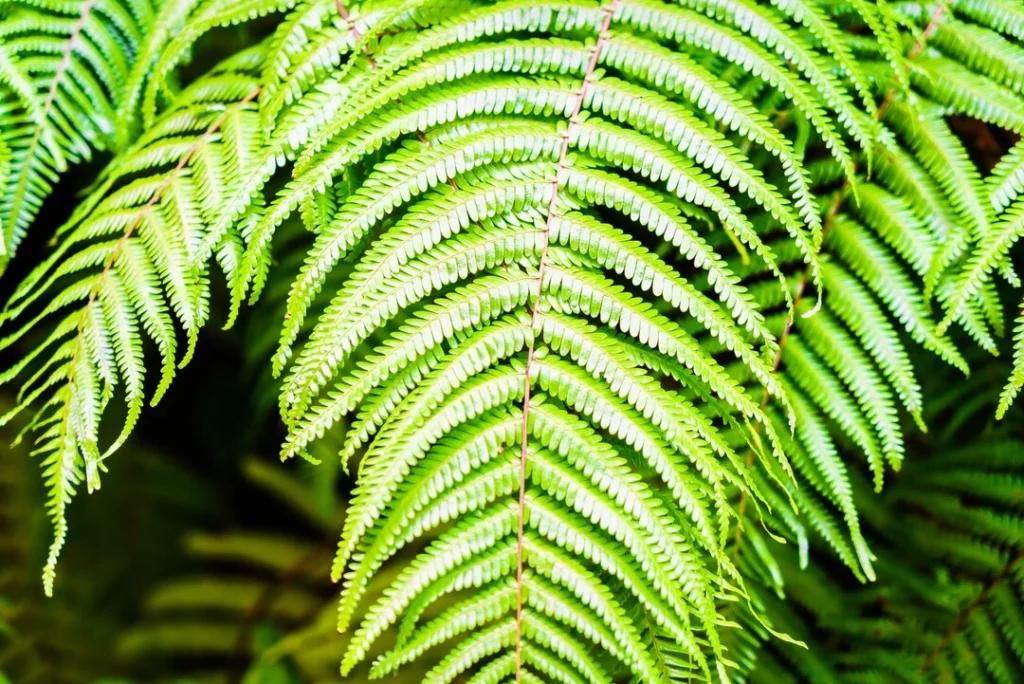
Evergreen Boston ferns take up moisture from their surroundings. they grow in wet environments and need filtered light. Because of this characteristic, they are perfect houseplants in high-humidity environments. they are actually living in your moist basement or bathroom, not simply putting up with it.
High humidity is ideal for this traditional bathroom plant. It grows in damp, humid areas, and its roots and leaves are excellent at drawing water from the atmosphere. In a humid setting, a Boston fern takes on a rich, full appearance that it would not in a dry atmosphere.
They are also very good at cleansing the air. it adds moisture and eliminates toxins from indoor air thanks to its air-purifying qualities. but hold on, add some moisture? yes, Boston ferns leak moisture in extremely dry conditions. however, they help regulate humidity levels in areas that are already humid by absorbing more than they release.

When placed in hanging baskets where their light leaves can naturally dangle, Boston ferns appear stunning. I stop mine from the ceiling so that rising steam may collect its soft petals. The plant eventually becomes lush and colorful, bringing new green life into the space. In bathrooms, that cascading growth provides a tropical, spa-like atmosphere.
Compared to peace lilies or snake plants, the maintenance needs are a little higher. you can water a Boston fern frequently enough to keep the soil wet, and place it in a bright area of the room to make sure it receives enough of indirect sunlight.
Spider Plant for Easy Care and Air Cleaning
Spider plants require very little know to survive, are nearly inflexible, and grow in moist conditions. The ability of spider plants to filter the air is well known.
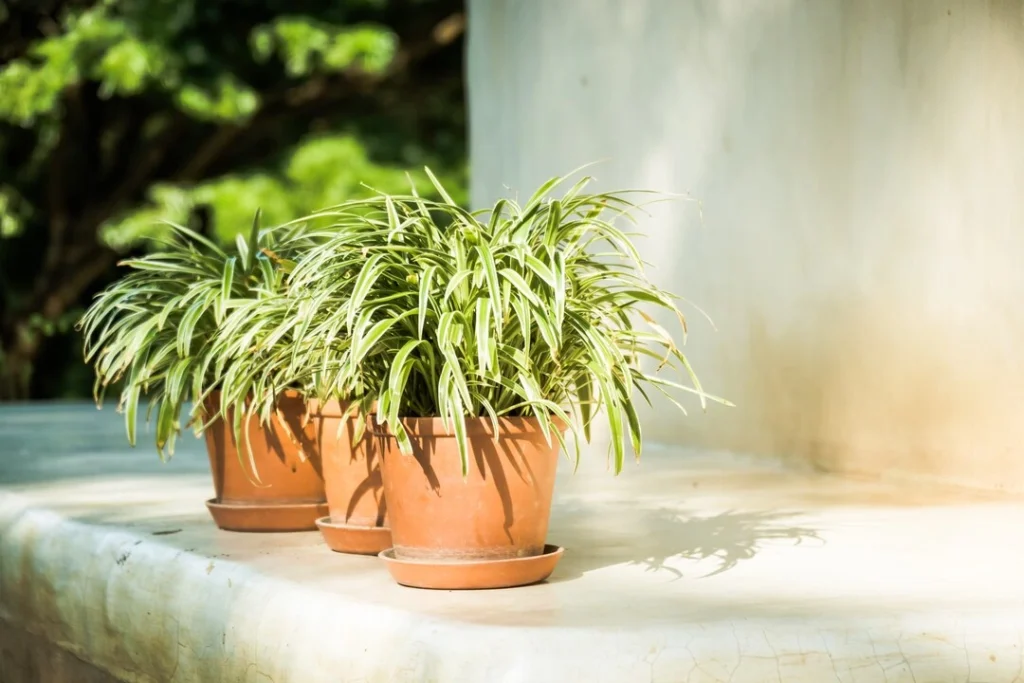
They are a great option to improve indoor air quality since they release oxygen and absorb mold-forming moisture from the air. Spider plants were listed by NASA as the best air cleaners, just like peace lily flowers.
By absorbing water from their thin leaves, spider plants decrease the amount of moisture in the air. Additionally, this keeps their leaves fresh; otherwise, they get crisp and brown. because they receive moisture from the air itself, spider plants in humid rooms remain healthier and greener.
The way spider plants reproduce is one of its most amazing characteristics. there are numerous young of my bathroom spider plant are hanging from the parent plant. they continue to function to lower humidity while requiring very little maintenance. these young plants, known as spiderettes or plantlets, can be reproduced into new plants or left hanging. They grow on long leaves.

Spider plants are good for hanging baskets or high shelves because of their cascading young plants, which add visual interest. their tiny offshoots and cascading leaves give small rooms beauty and life. additionally, you receive free fresh plants that you can give to friends or place in other moist spots.
If you are facing issue with sliding door during monsoon then, you should read this guide for fix this problem
Where to place plants for best results?
Choosing the correct plants is only half the story. Both the health of the plants and their ability to regulate moisture are greatly impacted by placement.
You should put plants that grow in humid conditions will, of course, prefer the wet areas of your house. In other words, they will work well in spaces like restrooms, kitchens, and laundry rooms. don’t expect moisture-loving plants to change your driest space. Place them in areas where humidity is already an issue.
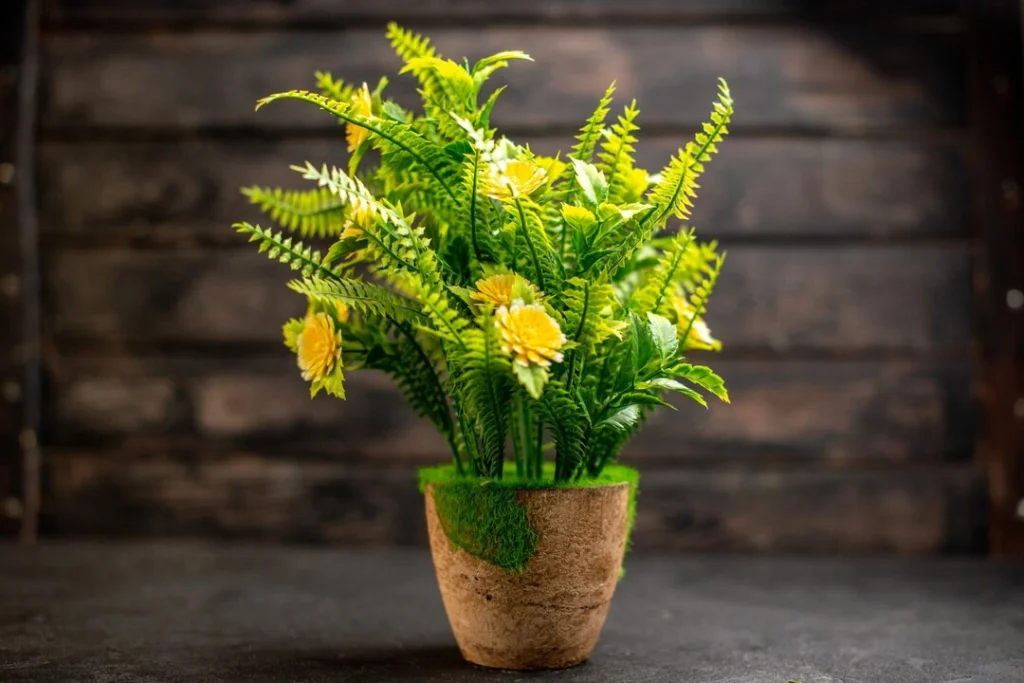
For the majority of these plants, bathrooms are the natural choice. Fungal development and humidity-loving plants grow when shower steam, sink usage, and frequently poor airflow are combined. Adding plants to your bathroom has two benefits are they reduce moisture and provide a more peaceful, spa-like atmosphere.
If you can get enough light, basements are another excellent place. because basements are naturally colder and below ground level, many of them are subject to moisture. If your basement has windows or if you’re willing to use grow lights, moisture-absorbing plants can make a real difference in controlling that musty basement smell and preventing mold.
What plants have worked in your wet rooms? please share your experience in the comments below. 🙂
Do plants really help reduce humidity in damp rooms?
They do, too. because they take in water from their surroundings through their leaves and leave it through transpiration, plants are natural dehumidifiers. this procedure helps produce fresh air and control humidity levels in any area. through a different process known as transpiration, plants will also control how much moisture they release. however, studies reveal that plants will adjust to humid conditions and release less water vapor, so they won’t be adding too much moisture to any wet spaces.
Which plant is best for absorbing moisture in bathrooms?
Plants that grow in moist conditions include English ivy, Boston ferns, and peace lilies. they lower the chance of spores and mold growth by absorbing moisture and improving air quality. Spider plants and English ivy are examples of moisture-absorbing plants for bathrooms. By absorbing excess moisture from the air, these plants help prevent mold and mildew and flourish in high-humidity environments.
Can English ivy really remove mold from the air?
In fact, really good. it takes less than 12 hours, English ivy can remove 78% of airborne mold. The English Ivy is a huge fan of humid environments. The English ivy may help create ideal humidity conditions since they are typically located in areas with high humidity levels, such a steamy kitchen or a shower room. Additionally, the ivy will help you get rid of mold that forms in high-humidity areas.