Do you feel scared when driving your car during heavy rain?
Most of us do as we all know how fast Indian city roads can turn into deep rivers. Suddenly, you are stuck in a traffic jam with dirty water rising all around your car doors.
This is the exact moment when most drivers panic and make a massive mistake.
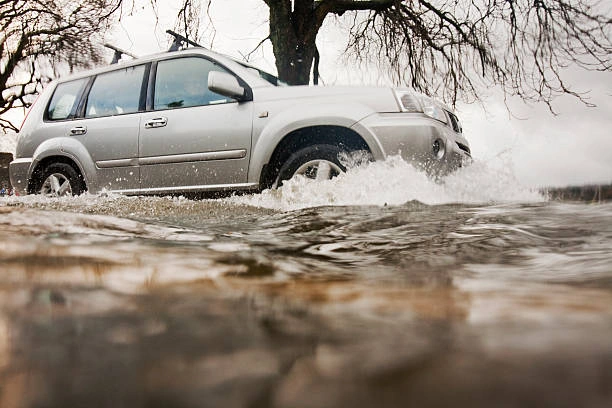
If you drive through deep water the wrong way, water will get sucked into your engine. Mechanics call this a “hydrostatic lock.”
It instantly destroys your engine’s internal metal parts. It can cost you over ₹2 Lakhs in repair bills, and worst of all, car insurance often rejects this claim!
But do not worry. In this guide, I will teach you the exact driving trick regarding how to drive safely through waterlogged roads in monsoon.
Let’s learn how to protect your engine
Step 1: The “Wait & Watch” rule before entering
Before you even touch the water, you must check how deep it is.
You should never drive into a flooded road if you are the first car. Wait on the side of the road and watch a bigger car or an SUV cross first.
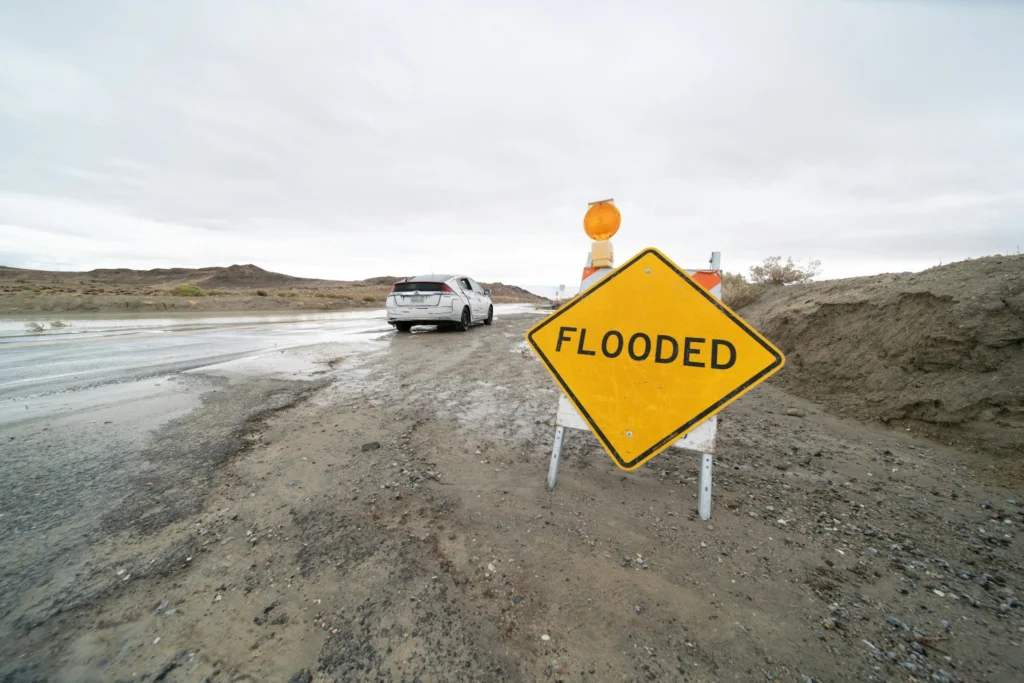
Look closely at their tires. If the water is higher than the bottom edge of their car doors, do not enter.
Turn your car around and find a different route. It is always better to be one hour late to the office than to destroy your car engine.
Step 2: The “First Gear, High Rev” Technique
If the water is low enough to safely cross, you must use this specific driving trick.
First, turn off your car AC immediately. the AC fan spins very fast. If it hits the water, it will splash water all over your sensitive engine wiring.
Next, put your car in 1st gear. If you drive an automatic car, shift it into ‘L’ (Low) or manual mode.
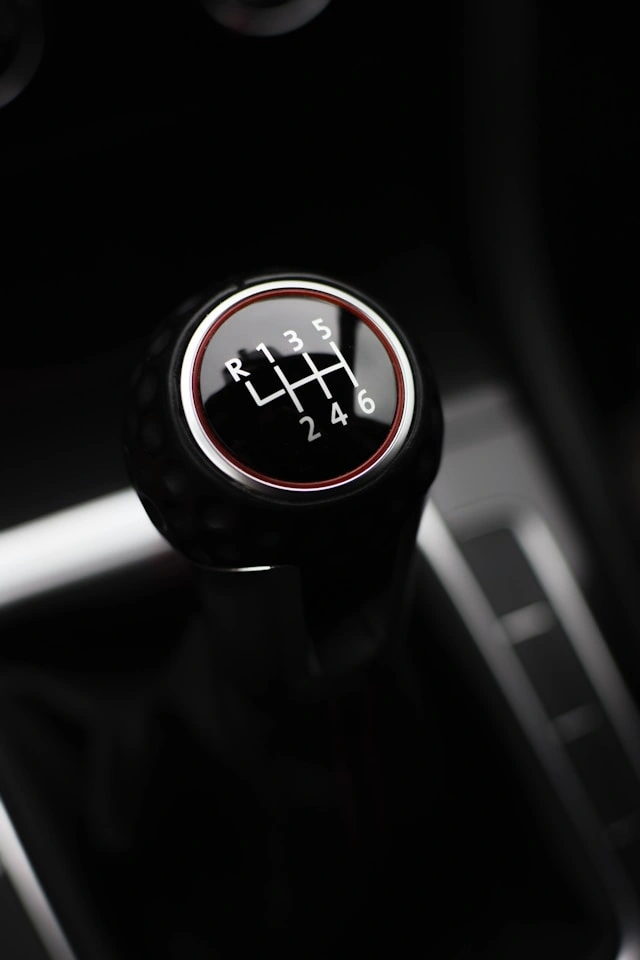
Now, here is the most important secret is you should keep your engine RPM high (around 2,000 to 3,000) and do not take your foot off the accelerator.
You need to drive very slowly (around 5 to 10 km/h), but you must keep pressing the gas pedal steadily. If you drive a manual car, slip the clutch slightly to control your slow speed while keeping the revs high.
Why is this so important?
Because pressing the accelerator pushes continuous air out of your exhaust pipe at the back of the car.
This strong air pressure literally blocks the dirty water from entering your exhaust pipe.
If you get scared and suddenly take your foot off the gas pedal, the air pressure stops. The water will instantly rush inside the pipe, and your engine will die on the spot.
Step 3: How to Deal with a Standing Car (The ₹2 Lakh Mistake)
Even with the best driving skills, sometimes the water is just too deep and your engine suddenly shuts down.
If this happens, you must remember the most important rule of this entire guide:
DO NOT RESTART THE ENGINE
When you get stuck, the natural human reaction is to panic and twist the key again. this is a huge mistake.
When your engine stalled, water entered the air intake. If you try to start the engine again, the pistons will try to compress that water. because water cannot be compressed, it will instantly bend the internal metal rods.
A simple ₹3,000 tow to the garage suddenly becomes a complete engine rebuild costing over ₹2,00,000 😱.
Here is exactly what you should do instead:
- Turn the ignition key completely to the OFF position.
- Switch on your hazard lights (your battery will still run the lights).
- If the water is rising fast, forget about the car. open the door and walk to higher ground as your life is more important than metal.
- Call your insurance company and request a flatbed tow truck.
Step 4: After crossing safely
Let’s say you successfully crossed the flooded road using the “First Gear, High Rev” trick then you have done great job!
But the danger is not over yet.
Your car brakes have just been completely underwater. they will not work properly if you need to stop suddenly.
Drive very slowly on a dry patch of road. you can gently press and pump your brake pedal three or four times. this creates friction and heat, which dries out the wet brake pads.
Also, when you finally park your car at the office or home, do not pull the handbrake.
Wet brake pads can easily get permanently stuck to the metal drums if you leave them locked overnight. Instead, just leave the car parked in 1st gear (or ‘P’ for automatics) with a small brick behind the tire.
Frequently Asked Questions (FAQs)
Is it safe to drive an electric car (EV) through flooded roads?
Electric vehicles like the Tata Nexon EV or MG ZS EV do not have an exhaust pipe, so water cannot enter the engine like a petrol car. their battery packs are heavily sealed (IP67 waterproof rating). however, you should still never drive through deep water and it can damage other exposed electrical sensors, the horn, and the cabin wiring.
Will my normal car insurance pay if my engine gets damaged by water?
No. this is a very common trap. normal “Comprehensive” insurance policy does not pay for hydrostatic lock (water entering the engine). to get the repair money, you must buy a special add-on called an “Engine Protect Cover” before the monsoon starts.
What should I do if water comes inside the car cabin?
If water starts leaking onto your floor mats, do not panic and don’t press any electronic buttons like power windows or automatic seat adjusters, as this can cause a short circuit. Drive to a safe, dry spot, turn off the car, and immediately remove the wet mats to prevent a bad smell and fungus.