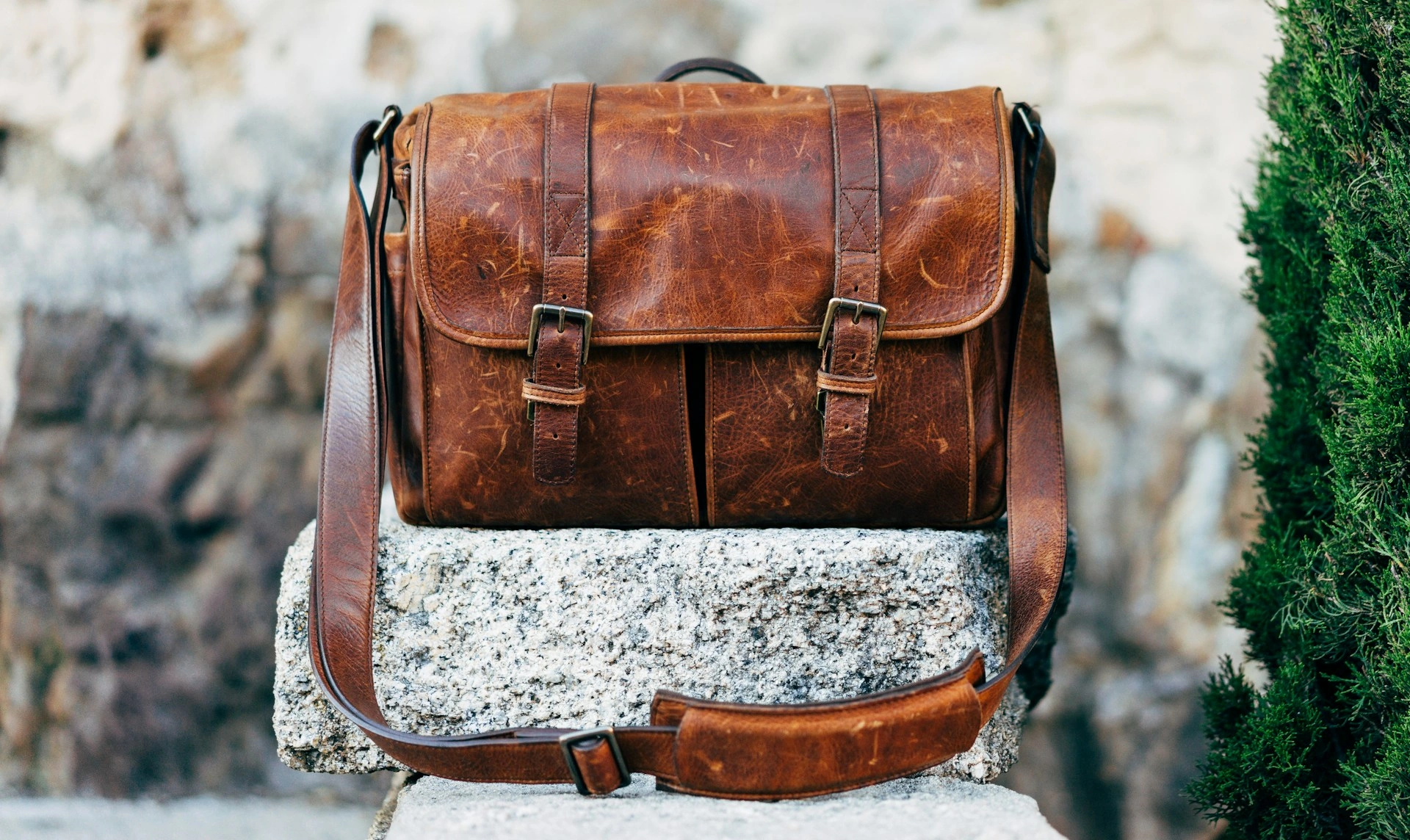
Last monsoon, white not clear patches formed on my beloved leather jacket. When I put it up at the end of winter, the spots were gone. Just once over the wet months, I checked on it, and by the time I took it out to wear again, a whole colony of mold had taken over. The jacket that I had saved for three months appeared to be damaged.
In a panic, I looked about wildly for answers. the jacket, according to some, could not be saved. Others suggested hiring a costly cleaning service. I ultimately saved the jacket after trying everything I could find online, making errors, and discovering what truly works. however, I learned something more significant from the process than cleaning methods.
The true lesson was that prevent moisture damage to leather requires more than just quick repairs when anything goes wrong. It has to do with prevention. you’re up against it if mold forms or moisture damage occurs. however, you won’t ever have to deal with with the bad experience of finding your costly purse or shoes covered with fungus if you carefully safeguard your leather goods from the beginning. so let’s check out how to protect leather items from moisture in easy ways.
- Why moisture destroys leather?
- How to waterproof leather before rainy season?
- How to store leather in humid weather?
- How to protect leather items during monsoon?
- What to do when leather gets wet?
- How to remove mold from leather?
- How often should you condition leather?
- When to get professional leather cleaning?
- Can leather survive high humidity?
Why moisture destroys leather?
Considering the true effects of moisture on leather allows you to take appropriate precautions rather than simply trying with items that people suggest.
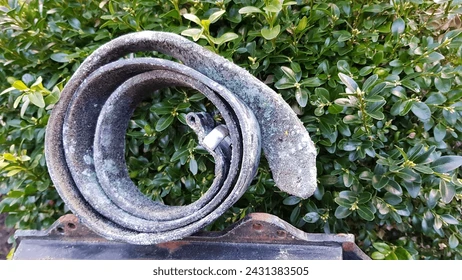
As a natural substance, leather “breathes” and responds to its surroundings. leather may collect extra moisture from the air in humid locations or seasons, leaving it feeling damp or sticky.
Plastic and synthetic materials are not the same as leather. It is made of animal hide, is biological, and responds to its surroundings. leather absorbs moisture through a porous exterior when the surrounding air becomes humid.
The open nature of leather is what makes it difficult. leather may collect moisture from rain and humidity, which can lead to a number of issues. Imagine a solid, ugly texture, mold, and mildew. leather’s porous nature makes it breathable and comfortable to wear, but it also leaves it bound during the rainy season.
There are various kinds of leather react to the moisture in various ways. Although its track record for durability, full-grain leather is subject to extended exposure to rain. Suede’s soft, lay surface makes it sensitive to water and can leave an ugly stain.
Although patent leather has an shiny sheen and may be somewhat water-resistant, excessive humidity can still cause it to break. selecting the appropriate protective techniques is made easier when you are aware of the sort of leather you are dealing with.
How to waterproof leather before rainy season?
Before the arrival of the rainy season is the perfect time to protect your leather. you’re in damage handling mode rather than preventive mode after you’re already coping with everyday humidity and frequent rain.
Invest in a specific leather waterproofing spray or cream and use a high-quality water repellent. as directed by the manufacturer, apply it equally to all leather surfaces. as a result, a barrier is formed that keeps water from entering the substance.
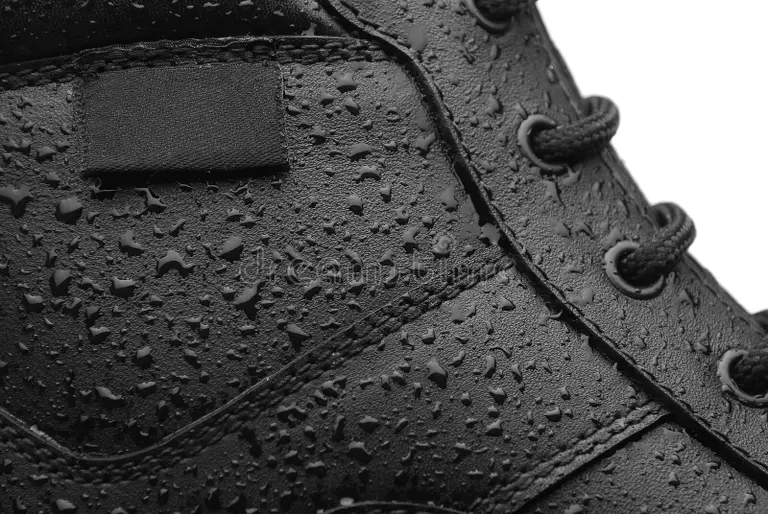
Don’t skip this step. for leather, waterproofing spray is similar to insurance. although it won’t make leather totally waterproof, it does give you critical period to dry things off before moisture gets in.
Don’t forget to test the product first on a little, separate region. this is crucial. there are certain waterproofing solutions have the potential to significantly alter the finish or darken light-colored leather. you should test on a secret location, such as the inside of a shoe tongue or the bottom of a bag. before applying to the entire item, wait a full day to check for any color changes or damage.
How to store leather in humid weather?
Items that survive the monsoon unharmed and those that emerge covered in moldy stains depend greatly on how and where you keep leather throughout the humid months.
In order for leather to breathe and remain dry, smart storage begins with managing air, light, and space. you should use climate control like air conditioning or a dehumidifier to maintain rooms’ relative humidity between 40% and 55%.
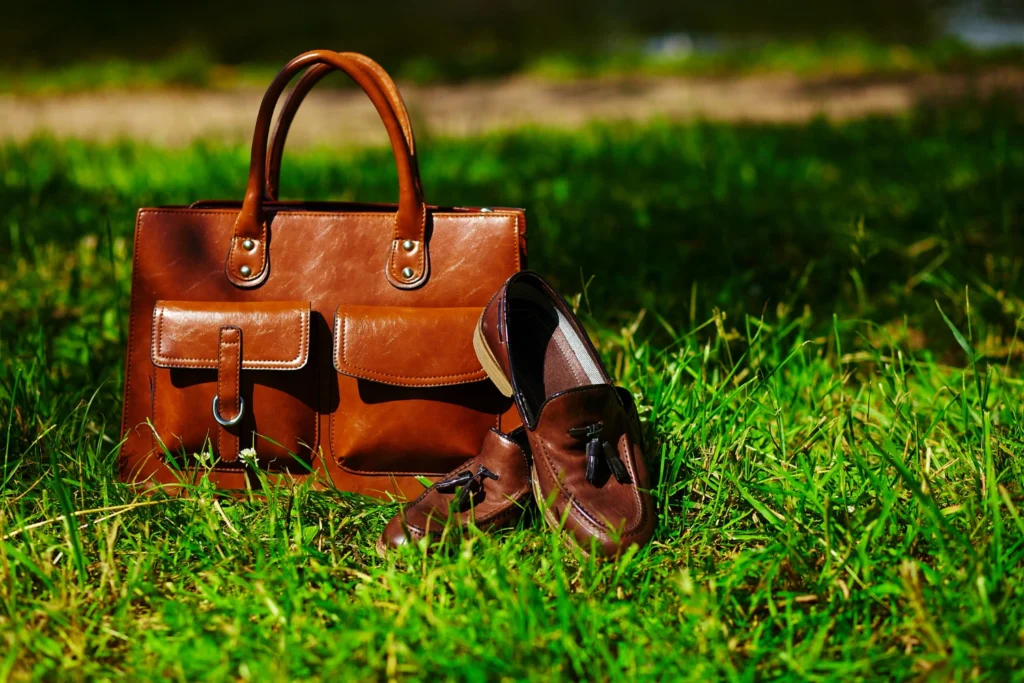
The best thing you can do is this. to keep an eye on the humidity levels in your house, get a hygrometer. the ideal range for indoor humidity is 30% to 50%. You cannot adjust your humidity level if you are unaware of it.
Whenever possible, keep leather goods in a climate-friendly space. Humidity levels may be considerably lowered by air conditioning and dehumidifiers. A room or closet with air conditioning is perfect. If you can’t do that, at least use a little dehumidifier in the wardrobe or storage space where you store leather goods.
How to protect leather items during monsoon?
A different strategy based on quick reaction and routine maintenance is required if you are actively utilizing your leather goods during the monsoon rather than storing them.
Don’t put your suitcase away right soon once you get home. Instead, let it sit under a ceiling fan for several hours. this helps to avoid the build-up of by enabling enough air and drying. When you return from the outside, do not immediately put the bag away.
To let the bag air out, place it below the ceiling fan for a few hours. a lot of problems are avoided by this easy habit. your leather absorbs humidity from the air even in the absence of rain. mold cannot grow if it is allowed to dry before being stored.
It is unlikely that your piece will grow mold if you use it every day. Making sure you use your article every day is the greatest method to avoid white fuzz. you should never keep your leather item in a moist area for extended periods of time (such as overnight) if you live in an area with significant humidity and during the rainy season, clean it every few days with a fresh towel.
Leather is really protected by routine use and cleaning. unused items in humid environments develop issues more quickly than those you handle on a daily basis.
Start with cleaning every day with a soft, dry cloth and remove the dust before it completely breaks down. Increase airflow or dehumidification, monitor moisture levels, and run your palm over cushions and seams if they feel chilly or sticky. every day, touch your leather goods. moisture is building up if they feel chilly or damp to the touch. Immediately take care of it by washing them down or improving airflow.
What to do when leather gets wet?
Leather will occasionally become wet no matter how hard you try. whether an item lives undamaged or has long-term issues depends on how you react during those initial hours.
In order to reduce damage, you must act quickly if your leather goods get caught in the rain. you should wipe gently and rubbing damp leather can cause moisture to seep deeper into the material and harm its surface. Instead, remove as much water as you can by gently blotting the area with a clean, absorbent towel.
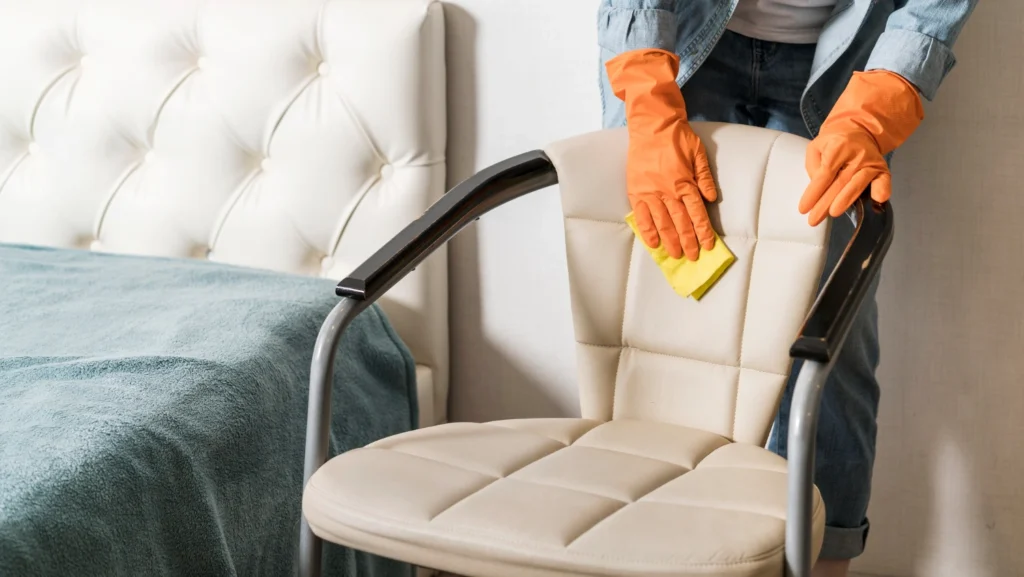
Before drying your bag, use a soft towel to gently blot any excess water if it has been exposed to rain. don’t wipe, Pat and Rubbing can harm the finish because it forces water in.
You should never use direct heat sources like hair dryers, heaters, or direct sunlight to dry wet leather. quick drying will cause the leather to shrink, crack, and lose its shape. Instead, allow the item to air dry in a cool, well-ventilated area away from direct heat. you can use a soft cloth to wipe the leather bag or shoes if they get wet. Avoid using a hair dryer or sunlight to dry the item. this is harmful to leather and fades the leather easily.
Keep shape while drying and to help shoes and bags keep their form and absorb moisture from the inside, fill them with absorbent materials like clean tissue paper or newspaper. When the packing gets wet, replace it. every several hours, check the stuffing. replace it with dry material if it starts to feel wet. this removes moisture from the leather’s inside, which air drying is unable to do.
How to remove mold from leather?
Don’t panic out if you find fungi on your leather. If you find it very early and clean it correctly, it can be fixed.
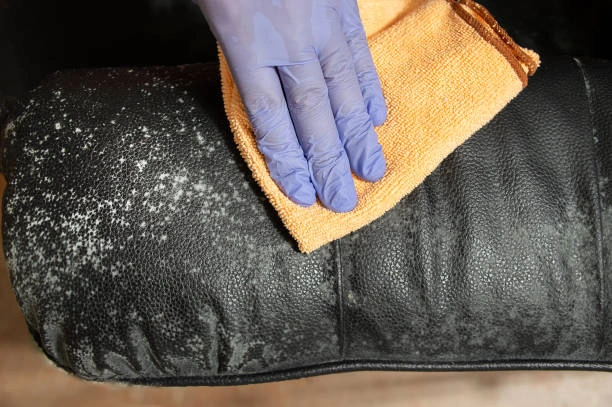
You should remove any mildew or moisture as soon as you see it. use a solution of equal parts rubbing alcohol and water. wipe the area affected gently with a cloth wet with the solution. With mold, speed is important. It enters deeper and gets more difficult to remove the longer it is in place.
When cleaning, use a mask since mold particles can cause sneezing and other respiratory problems. when you disturb them, they become airborne. wearing a mask is highly recommended if you have respiratory sensitivities or allergies. It’s good practice even if you don’t.
You should use a vacuum cleaner with a brush attachment to get rid of as much mold and spores as you can if there is a thick layer of mold developing everywhere. If there is a lot of mold development, vacuum first to get rid of the bulk before wiping. this keeps spores from spreading throughout the cleaning process.
You can use a fresh, dry, wet cloth to clean only the areas where mold is growing. because mold begins with spores, be careful not to spread it too far to the other clean regions. clean, using only one direction of stroke. the mold spores may become fixed in the leather if it is rubbed in a circular or back-and-forth motion. Instead of breaks down mold in, one-direction wiping removes it.
How often should you condition leather?
Creating a leather maintenance program during the humid months prevents issues from developing in the first place. regular little care is more effective than irregular thorough cleaning.
Check for loose stitching, color transfer, and mold spots twice a week. to prevent buildup and over-wetting, finish each week with light wipe-downs and weekly conditioning touch-ups only on high-use areas. check all of your leather goods twice a week. check for damage, feel if they feel moist, and look for any signs of mold. even if they appear OK, wipe them down once a week.
Leather is kept flexible, sealed, and less at risk of humidity damage with a regular conditioning schedule. Every 6–8 weeks for amine and leather in tropical humidity, every 8–12 weeks for protected or colored leather, and quarterly for bonded items is the ideal frequency, depending on the kind of leather and environment. the frequency of maintenance for different types of leather varies. as compared to treated leathers, soft leathers require greater care.
Every few months, use a premium leather conditioner to maintain its moisture and softness. additionally, conditioning extends the life of the leather and helps avoid stiffness. if you’re worried about adding moisture, keep up with conditioning. High-quality conditioners maintain leather’s softness while protecting against moisture damage.
If you want to protect leather bag from rain then you must read this guide before take bag outside
When to get professional leather cleaning?
Even with your best efforts, leather can occasionally develop issues that require professional attention. you may avoid making matters worse with do-it-yourself projects by knowing when to look for expert help.
Experts provide complete anti-fungal treatments using industry-grade chemicals, successfully restoring the bag’s color and condition. maintaining the integrity of your luggage can also be helped by routine professional cleaning. professional cleaning is worth the expense for expensive leather goods or serious mold issues. their procedures are better than those used at home, and they use stronger cleaning products.
Leather that has been harmed by moisture or wetness can also be cleaned up by expert cleaners. they can usually repair your black bag if it has gray areas from water damage. they can repair leather that has cracked and dried. Leather can be sealed and treated to improve its ability to moisture in the future.
Can leather survive high humidity?
Let me tell you the truth about something. maintaining perfect leather is a never-ending struggle if you reside in an area with heavy monsoons. no matter how careful you are, the impacts of humidity won’t be totally eliminated.
After three months of rain, excellent, retail-grade leather is not a goal. preventing significant damage like as mold territory, lasting spots, cracking, or form distortion is the aim. success is achieved if your leather goods survive the rainy season appearing a little less shiny but generally unharmed.
During humid months, some moisture absorption is likely. Leather is open and natural. Although absorption is not entirely eliminated, it can be decreased with waterproofing and appropriate storage. to prevent damage from building up, you can make sure that leather dries out enough in between moisture exposures.
Some decide to keep leather during dry months and use artificial alternatives during the monsoon. that is a valid option. putting your beloved leather bag away for three months and switching to a more waterproof one is perfectly acceptable. sometimes the best way to protect leather is to avoid using it in the most difficult situations.
What humidity level is safe for leather?
For indoor environments, a humidity range of 30% to 50% is appropriate. humidity levels above or below this range can be painful and affect how well your home’s furniture, especially leather, are preserved. to maintain RH between 45 and 50%, you can use humidity management techniques including ventilation, AC, and dehumidifiers. mold is caused by excess humidity, whereas cracking is caused by insufficient humidity.
Can moderate humidity actually benefit leather?
Yes, as a result, there shouldn’t be any issues with access to moderate humidity levels. on the other hand, it will be advantageous since it maintains the leather’s comfort and softness. this amount of monsoon humidity can help maintain the elasticity and softness of leather upholstery by absorbing moisture. maintaining humidity between 30 and 50 % is important.
Should I store leather in plastic bags during monsoon?
Leather should never be stored in plastic bags because they absorb moisture and promote the formation of mold. you can use Breathable Storage so instead of using plastic, store items in dust bags made of cotton or linen. mold grows in the sealed environment that plastic produces, keeping moisture against the leather.