You purchased that lovely wooden dining table last year? The one that cost you a little great deal? It may be silently taking moisture from the air right now, shifting and expanding without you ever realizing it.
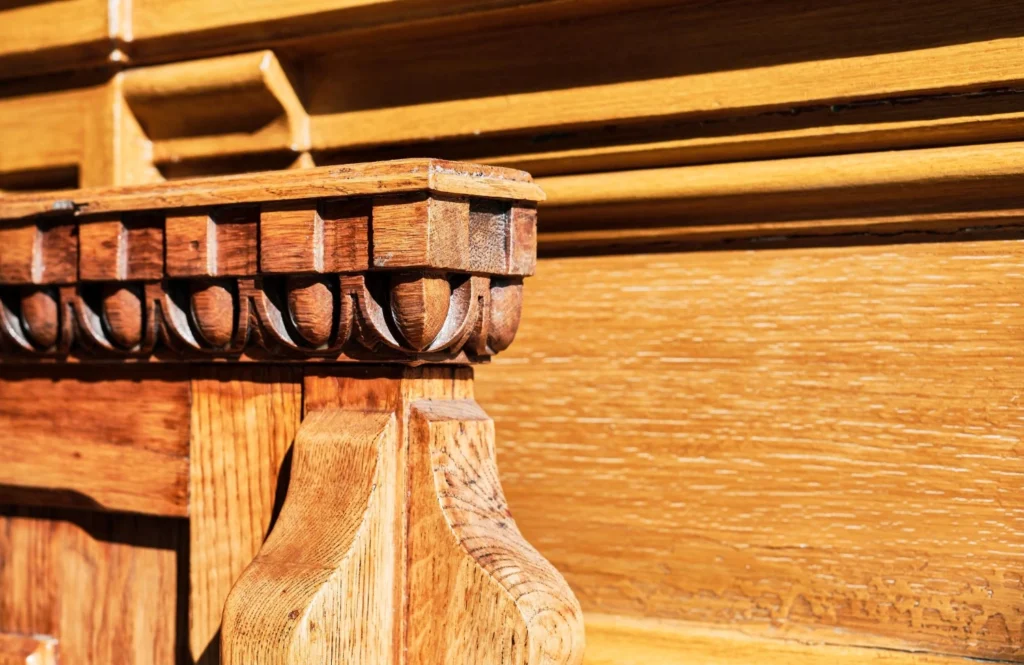
The most serious enemy of wooden furniture is humidity. the moisture in the air gets into wood during humid months, leading to a variety of issues. doors that refuse to open. surfaces with a sticky surface. Suddenly there are dark patches. Additionally, if you ignore it long enough, it will cause permanent harm that cannot be repaired by expert repairs.
Let me show you exactly how to protect wooden furniture from humidity damage, using methods that actually work without breaking your budget.
- Why Humidity destroys wooden furniture
- Step 1: Control your Indoor Humidity Levels
- Step 2: Apply Protective Coatings to Wood Surfaces
- Step 3: Keep furniture away from places that contain moisture
- Step 4: Clean and Maintain Furniture regularly
- Step 5: Use Moisture Absorbers in Storage Areas
- Common mistakes to avoid
- Quick Habits that Protect without taking over your life
- Frequently Asked Questions (FAQs)
Why Humidity destroys wooden furniture
Before jumping into solutions, understanding why humidity harms wood helps you protect it better.
Wood is hygroscopic which means wood absorbs and releases moisture from the surrounding air, constantly trying to balance with the humidity levels around it. When humidity rises, wood absorbs that moisture and expands. When humidity drops, wood releases moisture and contracts.
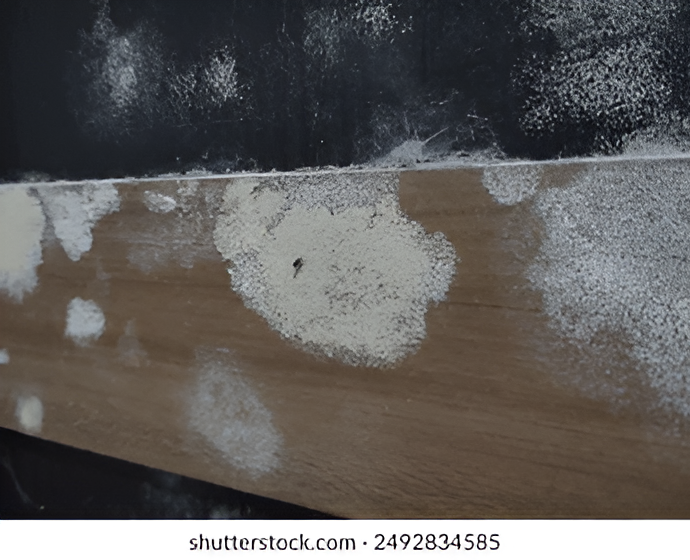
Serious issues can bring on by this constant swelling and shrinking. Because the wood around joints is constantly changing in size, joints get looser. Surfaces become uneven and damaged. Because drawers have become larger than they were initially, they stick.
The perfect atmosphere for growth of mold is created when moisture enters into the wood. It will begin to smell musty, and then black patches will start to form on surfaces or in corners. It’s not simply unpleasant. Wood may be permanently damaged by mold, which also puts your family’s health at danger.
Step 1: Control your Indoor Humidity Levels
What is the best thing you can do? Control the humidity in your house.
You should aim for a relative humidity of 30 to 50 percent. This range prevents the formation of mold while maintaining the strength of wood. Maintaining that sweet spot is important because wood is harmed by both too dry and too humid conditions.

You should get a hygrometer. these inexpensive devices (around 500 to 1000 rupees) measure your home’s humidity levels. you can place one in rooms with wooden furniture so you know exactly what you’re dealing with. You can’t fix a problem you can’t measure.
During the humid months, use a dehumidifier. These devices remove extra moisture from the atmosphere. A small dehumidifier, which costs between 3000 and 8000 rupees, may significantly improve the ordinary bedroom or living room. When the humidity rises above 50%, run it.
You are getting an additional benefit if you currently use your air conditioner in hot weather. As they cool your rooms, air conditioners naturally remove moisture from the air. Thus, you are subconsciously safeguarding the wood furniture each time you turn on the air conditioner.
Dehumidification and ventilation are equally important. open your windows and let fresh air to enter your rooms on days when the air outside is drier than the air inside (check your weather app for humidity levels). Humid, warm air likes to collect around furniture and cause issues. By keeping the air flowing, you may avoid collecting moisture in one area.
Step 2: Apply Protective Coatings to Wood Surfaces
Protective coatings can be similar to raincoats for furniture. They create barriers that prevent moisture from entering the wood.
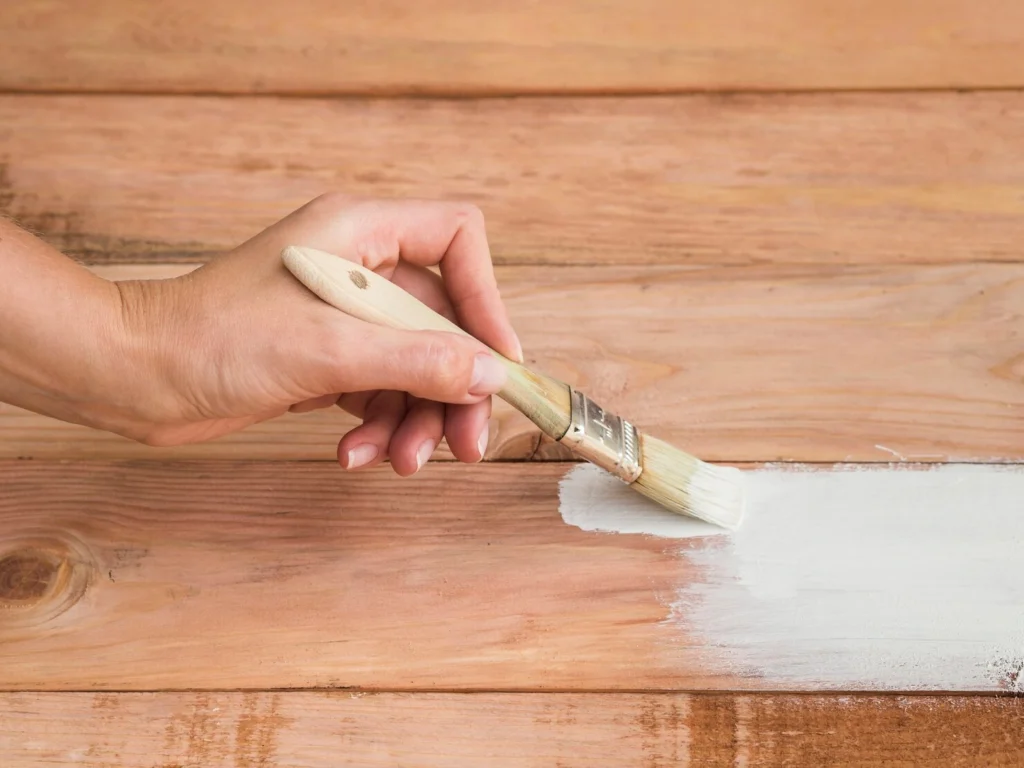
Regular furniture polish does more than simply make wood look nice and shiny. Before moisture can get into the wood, a thin layer of protection is created by high-quality furniture polish. during humid seasons, use it roughly once a month and during dry seasons, you can extend that to every two months.
You can use a gentle cloth and work in the direction of the wood’s grain when applying polish. When it comes to this substance, a little goes a long way. Instead of getting in where it provides protection, too much polish only lies on the surface appearing oily and drawing dust.
Furniture that is exposed to high humidity or is close to windows where moisture occurs is better protected by wood sealers. these solutions seal the microscopic cracks in wood where moisture would otherwise get in and cause damage, going deeper than basic polish.
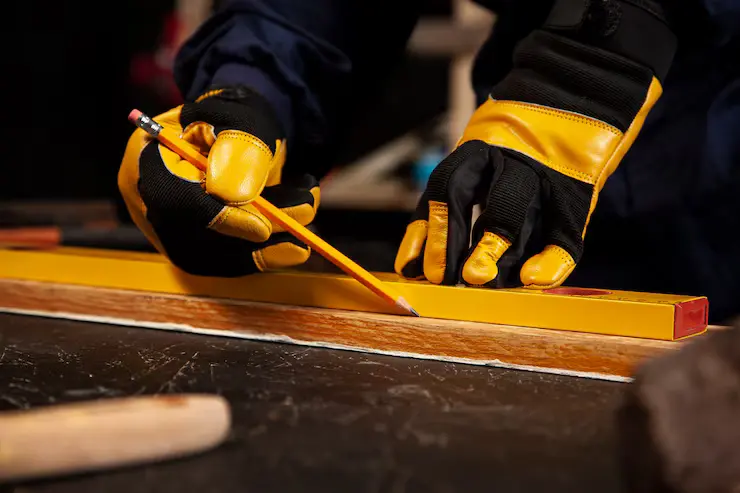
Compared to simply wiping on some polish, coatings do take more work. for complete protection, you must first carefully sand your furniture, then use a brush to apply the sealer, let it dry completely for approximately a day, and then apply a second layer. however, you don’t usually require a renewal for this heavy-duty protection for at least a year.
The current state of your furniture and the amount of time you decide to give protecting it will determine the finish you pick. Regular furniture polish offers sufficient protection for most individuals with average humidity levels without requiring a lot of work.
Step 3: Keep furniture away from places that contain moisture
Almost as important as how you handle your furniture is where you put it. Problems are avoided before they occur thanks to strategic placement.
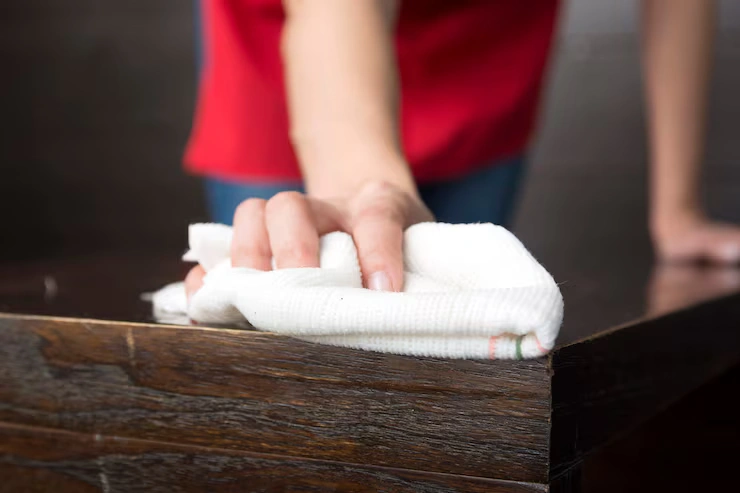
Every piece of wooden furniture should be at least six inches away from the wall. this may appear odd and take up some floor space, but it’s really important in humid conditions. Moisture is absorbed by walls, particularly external walls that face the outside. When furniture gets pushed up against wet walls, it takes the moisture like a sponge. this 6-inch space keeps everything dry by allowing air to move under your furniture.
During the humid months, windows require extra care. When humid air strikes the colder glass surface, they gather condensation. The wetness leaks onto neighboring items and window frames. at least, make sure to wipe off any water that you find every day if you are unable to move your furniture entirely away from windows.
Step 4: Clean and Maintain Furniture regularly
Maintaining the look and beauty of your furniture is not the only benefit of routine cleaning. Most of us are unaware of how important it is for protection against humidity damage.
Moisture from the air flows to and kept by dust. that obvious coating of dust on your dresser or coffee table? in simple terms, it absorbs humidity from the air and transfers it straight to the wood surface under it, much like a moisture sponge. To solve this issue, use a dry microfiber cloth to remove dust on a regular basis.
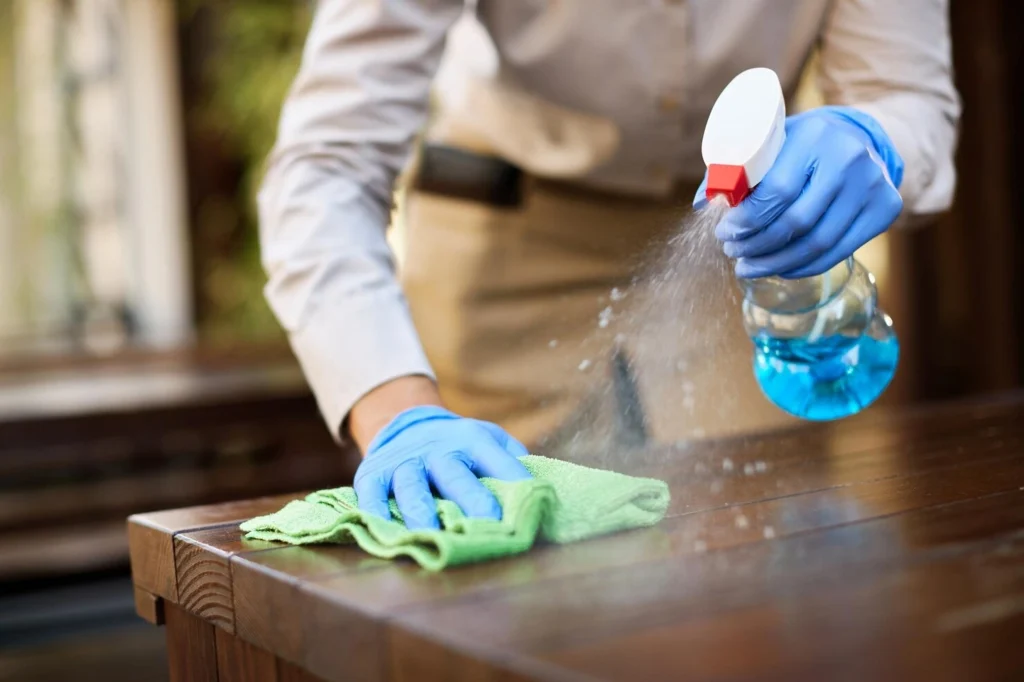
In humid conditions, wet towels should never be used on wooden furniture. The humidity issue is further made harder by the additional moisture from a wet cleaning cloth. If cleaning sticky areas is absolutely necessary, start with a wet towel and quickly remove any moisture you introduced with a fully dry one.
Give your furniture a good deep cleaning every few months. Take everything off shelves and out of drawers. Dust loves to collect and hide in cracks, so vacuum them out. you should check the bottoms and backs of the pieces areas you would often miss. This is the time to find hidden fungus or moisture damage before it becomes a serious issue and extends to places that are visible.
Step 5: Use Moisture Absorbers in Storage Areas
Drawers, cupboards, and storage areas are examples of enclosed places that keep wet air and provide ideal conditions for moisture damage to occur quietly.
Do you know those little packets of silica gel that were included with new electronics, purses, and shoes? Save each and every one of them. place many packets in each cabinet and drawer you own. Day and night, they will silently take in moisture from these small spaces.
The packets are ready to be reused when they begin to feel heavy or change color (many have warning signs). you can simply dry them out in direct sunshine for a day. Additionally, silica gel is affordable when purchased in bulk online or at craft stores, and if you remember to regularly dry it off, it will last for years.
By taking in moisture and smells, activated charcoal serves both roles. you can place bits of charcoal in tiny, water-resistant fabric bags and store them in drawers and cupboards. Every few months, swap them out for new charcoal. additionally, they get rid of the musty smell that frequently appears in locked spaces during extremely humid weather.
Common mistakes to avoid
Just as important as knowing what to do is understanding what to avoid. People frequently make these errors, intentionally doing damage to furniture while believing they are preserving it.
Although plastic covers appear to be protective, they are really quite bad for wood in humid conditions. I know I’ve said this before, but it’s worth repeating because it’s such a common error. Condensation is trapped behind plastic, resulting in a humid tiny microclimate that is far more harmful than the air in the room. while owners believe they are protecting their furniture, mold frequently grows on furniture covered with plastic.
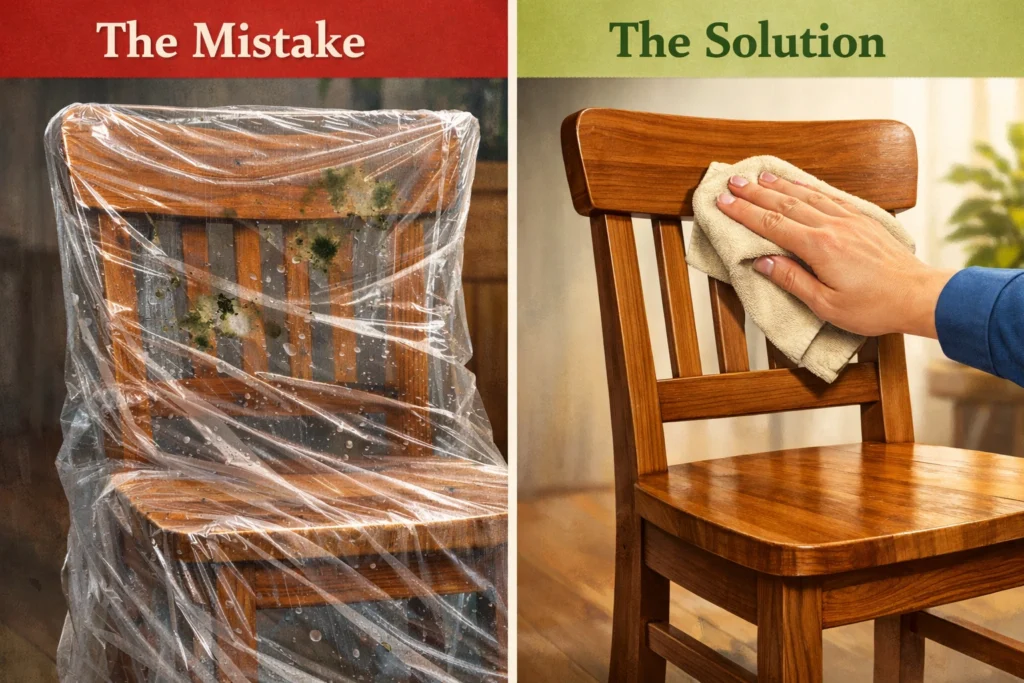
When wood is already dealing with extreme humidity, cleaning with wet towels during humid weather just makes it more wet. Save any moist cleaning for the drier months, when a little additional moisture won’t create any issues, and stick to 100% dry dusting.
Early warning indicators, such as slightly damp smells or drawers that stick a little more than normal, are attempting to alert you to a critical situation. Ignoring these warning signs may eventually result in significant damage that will either require replacing the furniture completely or require expensive repairs. when furniture attempts to alert you, take notice.
Quick Habits that Protect without taking over your life
Protection doesn’t have to take up hours each week. Over time, little everyday routines build up to major protection, and in just a few of weeks, they become instinctive.
Check the humidity quickly each morning. Open such windows if the air outside is drier than the air within. you can start the ceiling fans but make sure there is still space for more water to be collected in the dehumidifier tank.
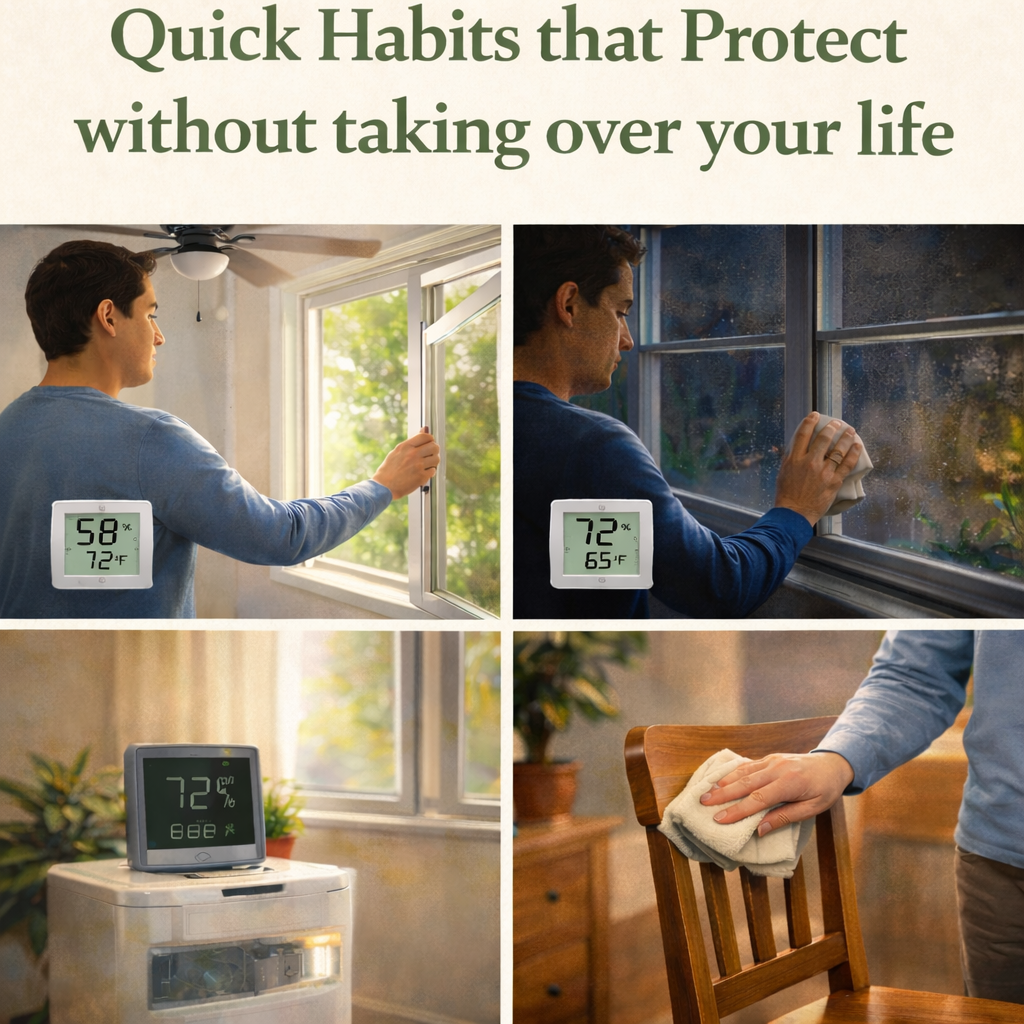
If necessary, change direction in the evening. Close windows to keep the moisture outside if humidity increases at night, as it frequently does. Any moisture that appears on windows close to furniture should be wiped away.
Every day, take 30 seconds to simply wipe down each piece of furniture with a dry cloth as you pass. By cleaning every day, water-retaining dust is kept from growing.
Frequently Asked Questions (FAQs)
What humidity level is safe for wooden furniture?
For healthy wood, you should maintain an interior humidity level between 30 and 50 percent. Wood dries out and splits when it is less than thirty percent. Wood that is more than 50% will absorb excessive moisture and expand. This middle range stops mold from forming and maintains the stability of wood. Any room with wooden furniture you care about may have its humidity levels monitored using a cheap hygrometer.
Can I use regular furniture polish during humid monsoon season?
Yes, high-quality furniture polish performs beautifully throughout the rainy season. The secret is to use it more often than you would in dry seasons. To maintain a solid and continuous protective barrier, move from once a month to every two weeks. For better moisture protection, choose polish that contains silicone or wax. Stay clear of any polish that leaves a film of glue since that residue attracts water-retaining dust to your wood.
How do I remove white spots from wood caused by moisture?
White spots often indicate that moisture has been caught in the finish layer rather than the wood itself. you can use a soft cloth and a paste prepared from baking soda and a few drops of water to gently buff the problem region. Another technique is to massage the area with a towel dipped in ordinary mustard, let it sit for approximately fifteen minutes, and then wipe it dry. Use ultra-fine steel wool to gently massage tough areas, then use your usual polish to clean up the area.