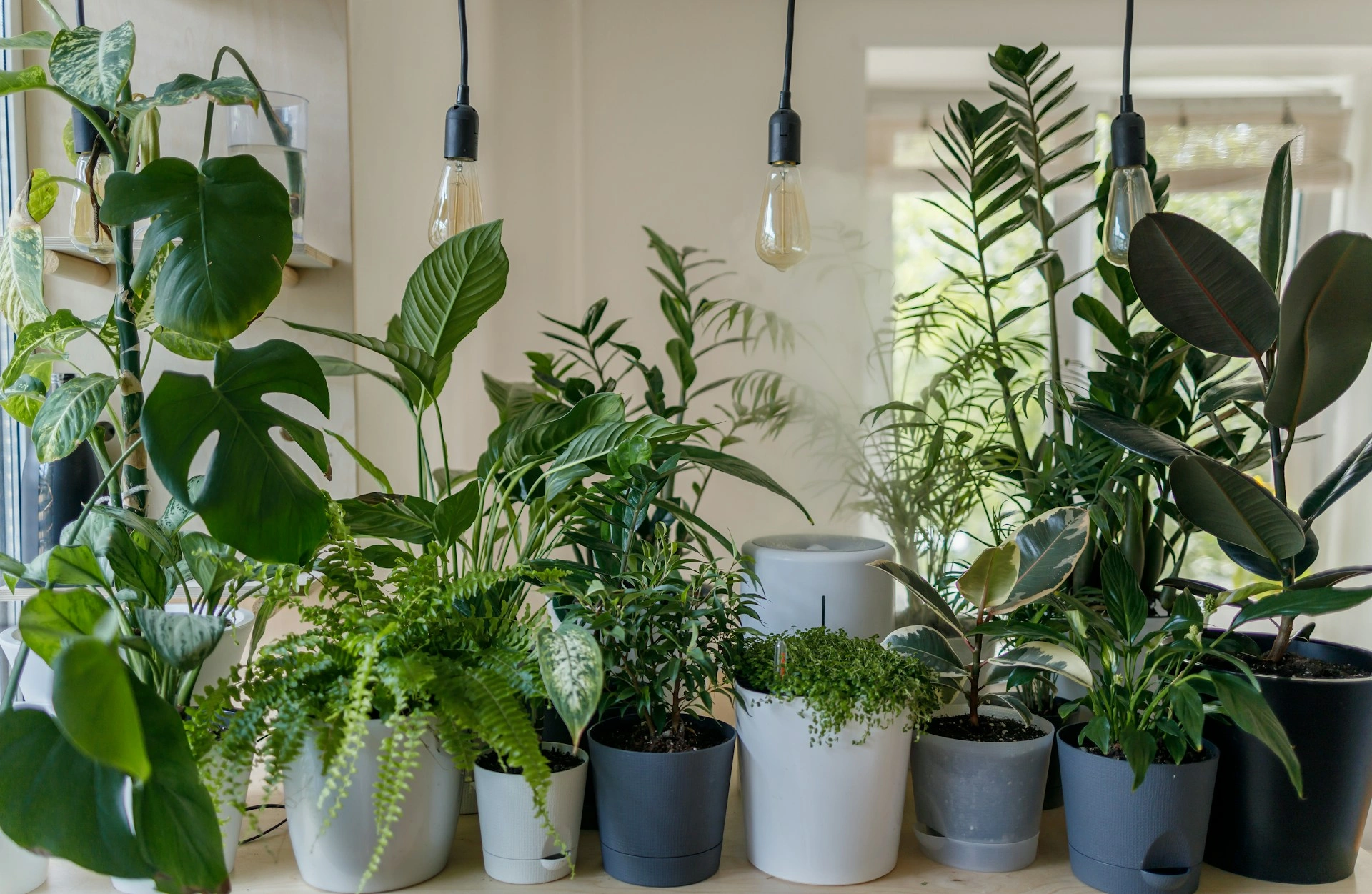
The outdoor space or balcony garden has been carefully watered, replanted, maintained, and cared for for months. then, one July afternoon, a monsoon storm unexpectedly arrives with howling winds and sheets of rain. unexpectedly, your loved hibiscus is flat on the ground, soil is washing out everywhere, and your favorite pots are shattered.
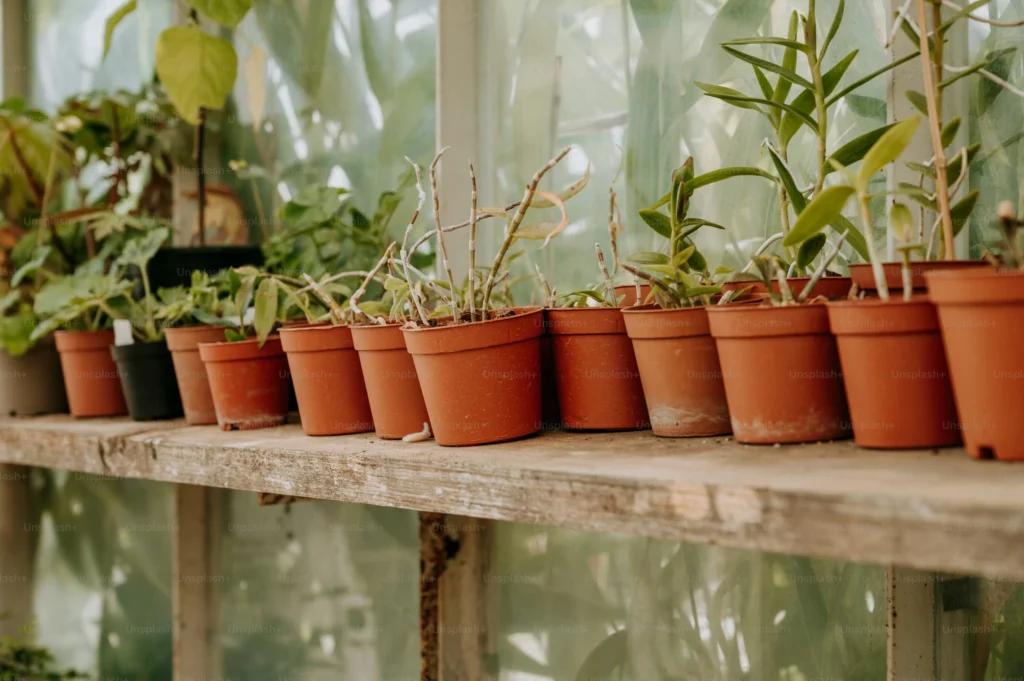
You are not alone if this sounds similar to you. every monsoon season, terrace and balcony gardeners in India deal with this same situation. the good news is that you can protect your pots and plants to such an extent that you can watch the next storm from your window while sipping your chai if you prepare ahead of time and use the proper methods.
Everything is covered in this book, including how to help your plants recover after the storm has passed and what to do before it arrives. these suggestions will be useful whether you have a big terrace garden with hundreds of containers or only three pots on a small apartment balcony.
Why Terrace and Balcony Pots need special attention during monsoon?
Understanding why pots are more sensitive in comparison to plants grown in the ground is helpful before going into home remedies.
Because container plants have been raised above the ground, they have no natural cover from the surrounding soil or vegetation and are therefore exposed to wind from all directions. the wind is stronger on upper floors. monsoon winds are more stronger on an apartment building’s fifth-story terrace than they are on a garden on the ground floor.
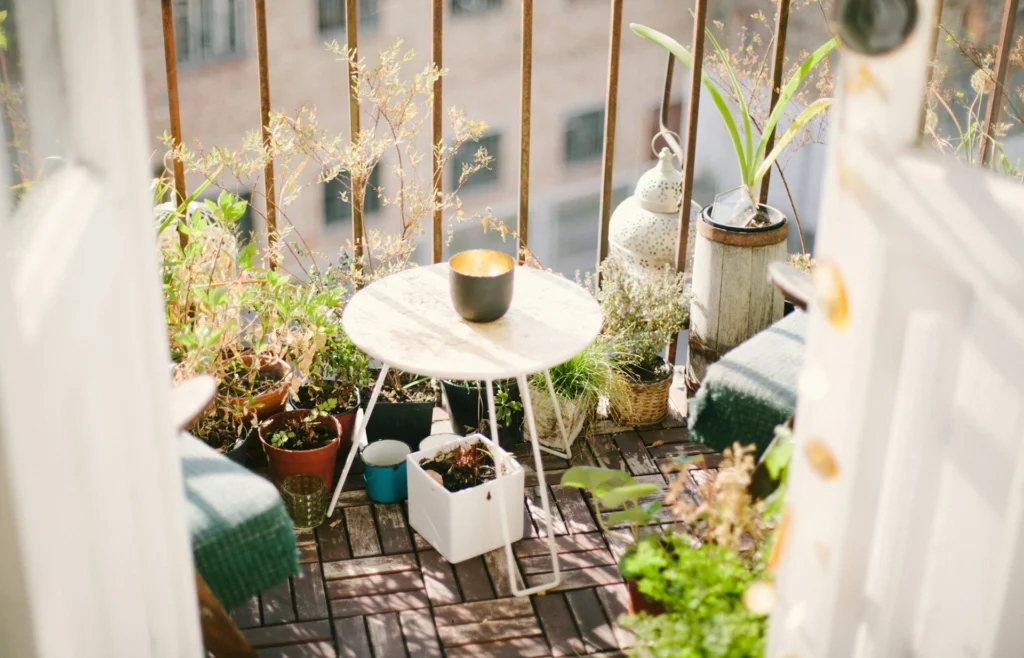
The drainage issue comes next. due of the limited soil capacity of pots, water can fill a container far more quickly than the drainage holes can discharge it during intense monsoon downpours. waterlogging comes from this, compressing roots and causing root rot in just a couple of days.
Another challenging overhang issue is caused by balconies. water cascading down the higher overhang can batter your plants with focused force that is significantly more powerful than direct rainfall if your balcony is located below another story. this breaks sensitive stems, removes soil from pots, and removes leaves.
What to prepare before storm?
Step 1: Audit your Balcony Layout
Before the rainy season starts, the first thing you should do is take a close look at the arrangement of your pots. for best sunlight, most balcony gardeners place their pots close to the railing, which is also the most weak and harmful location during a storm.

Spend a few minutes identifying which pots are at risk so ask yourself:
- Which pots are nearest to the open edge of the balcony? these are the highest risk for tipping or blowing off entirely.
- Which pots are top-heavy or sitting in lightweight plastic containers? these will tip first.
- Are there any hanging pots or baskets suspended from hooks? these swing wildly in wind and can fall.
- Do any pots sit on narrow ledges, railings, or elevated platforms? those need to come down immediately before a storm.
- Is there a sheltered corner or covered section on your balcony? that is your safe zone.
This five-minute review provides you with a well-defined plan of action in case of the next storm.
Step 2: Arrange Pots in a Storm-Safe Setup
Rearrange your balcony arrangement with monsoon protection in mind once you have identified which pots are at risk. This only calls for a little smart positioning; it does not involve giving up your garden.
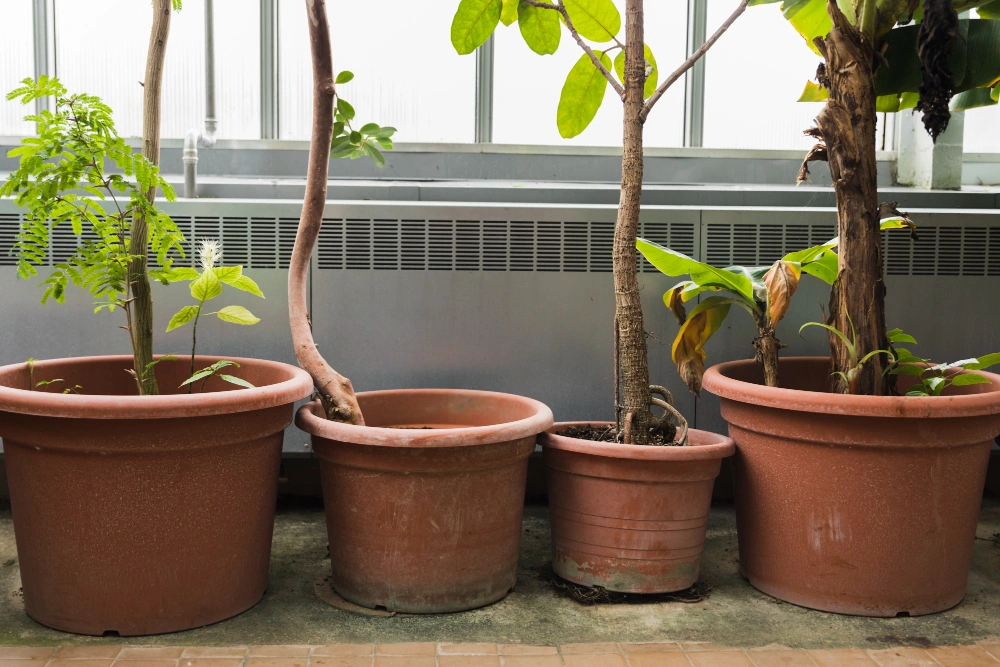
The overall idea is to put shorter, more difficult plants behind taller, stronger, heavier pots on the west side (the direction from which the wind comes). the strong pots absorb the majority of the wind and cover the weaker ones behind, creating a natural shelter effect.
Here are the key positioning rules:
- All of the pots should be moved toward the wall and away from the balcony railing. because the building itself stops a large amount of wind, the wall side of your balcony is the safest area.
- Make good use of corners. plants are naturally protected from wind blowing from various directions by their corners. put plants and weak pots in the corners.
- Place shorter pots in front and larger pots closer to the wall. this lowers wind resistance at each level by creating a layered design where height progressively drops towards the open edge.
- Instead of placing pots apart, group them together. mutual shelter is created by a group of pots, with each pot helping in the defense of its neighbor. the likelihood of a pot toppling is significantly higher when it is alone in an exposed area than when it is surrounded by other pots.
Step 3: Choose the Right Pots for Monsoon Conditions
When it comes to withstanding monsoon conditions, not all pots are created equal. you should keep these recommendations in mind if you plan to repair broken pots or purchase new ones.
In a storm, heavy pots win. compared to lightweight plastic containers, terracotta, ceramic, stone, and concrete pots are inherently heavier and stronger to tipping. although they are more difficult to move, their weight is precisely what keeps them steady in strong winds. A strong terracotta container with proper drainage is nearly invulnerable to storms.
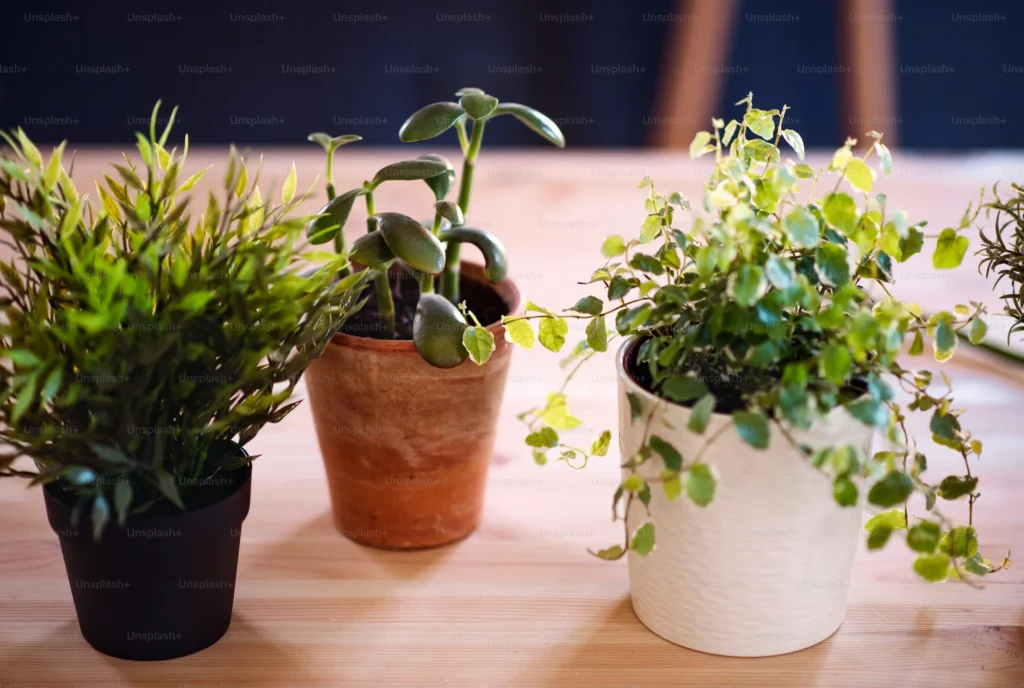
Compared to tall, narrow pots, wide-based, low-profile pots are more stable. Consider the physics: a tall, thin pot tips quickly and has a high center of gravity. It is far more difficult to topple a wide, shallow pot that hugs the ground.
If you want to protect outdoor plants from strong winds during monsoon, you should read this guide.
During the monsoon, pots with drainage holes are a must. a pot without drainage holes becomes a bucket when it rains a lot. In a matter of days, the earth gets wet, roots get stuck, and rot takes place. before the monsoon season, inspect each pot and remove any blocked holes with a screwdriver or nail.
Step 4: Move Pots to Improve Drainage
Many balcony gardeners forget this easy yet very powerful suggestion. even with drainage holes, water does not effectively escape when a pot is flat on the balcony floor because the hole is forced up against the surface. this indicates that the pot gradually fills with water from below as it drains from above during periods of intense monsoon rainfall.
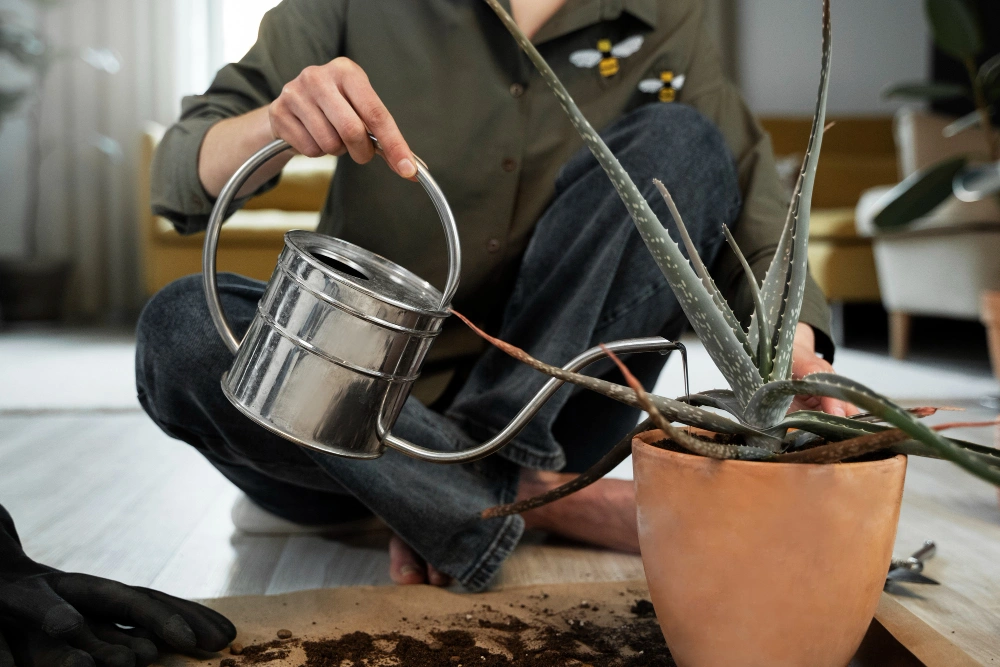
Water may continually and easily drain from your pots when they are raised on bricks, pot feet, tiny wooden blocks, or metal plant supports. additionally, it increases ventilation around the root zone, which lowers the possibility of fungal problems.
Furthermore, if you lean the pots very slightly to one side, water will drain down the holes more quickly instead of collecting. A very little tilt is all that is required to allow gravity to work—not enough to cause the plant to fall.
During the monsoon season, remove trays and saucers from below outdoor pots. Saucers gather water throughout the summer so the plant may use it in between waterings. they gather excess water during the monsoon, which keeps the root zone consistently damp and promotes mosquito breeding and root rot.
Step 5: High Planters and Safe Hanging Baskets
During a monsoon storm, hanging baskets are among the most open things on any balcony. they swing freely in the wind, and the combined power of the wind and swinging can break support cables, pull hooks from buildings, or launch the entire basket upward.
The ideal strategy is straightforward is before a storm, remove any hanging baskets and set them on the ground in a safe location. this completely removes the danger and takes five minutes.
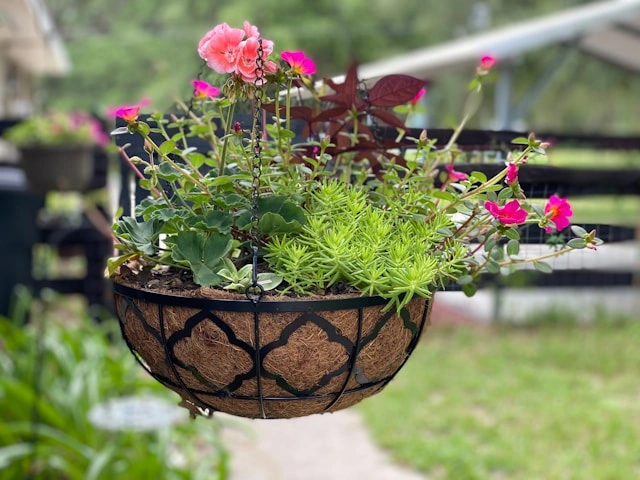
At the very least, tie them to the wall or railing with a small rope or bungee cord to limit their swing if you are unable to take them down for whatever reason. In order to prevent the basket from blowing outward, some gardeners additionally thread garden wire through the top of the basket and connect it to the wall.
Before every monsoon season, make sure the screws and brackets on wall-mounted planters are locked in place. Over time, moisture destroys wall fasteners, so a bracket that was tight last year could have come loose. Before it starts to rain, replace any hardware that is rusty or unstable.
Step 6: Set up a Windbreak on your Balcony
Strong winds can still be directed straight at your plants from a fully open balcony, even with the best pot arrangement. the wind speed before it reaches your pots is greatly decreased by building a partially transparent windbreak on the windward side of your balcony.
Semi-permeable is the important word. on the protected side, turbulence and turning air are produced by a solid wall or thick plastic sheet, which can be equally harmful as the wind. what you’re looking for is a wind filter that slows down the wind without totally slowing it.
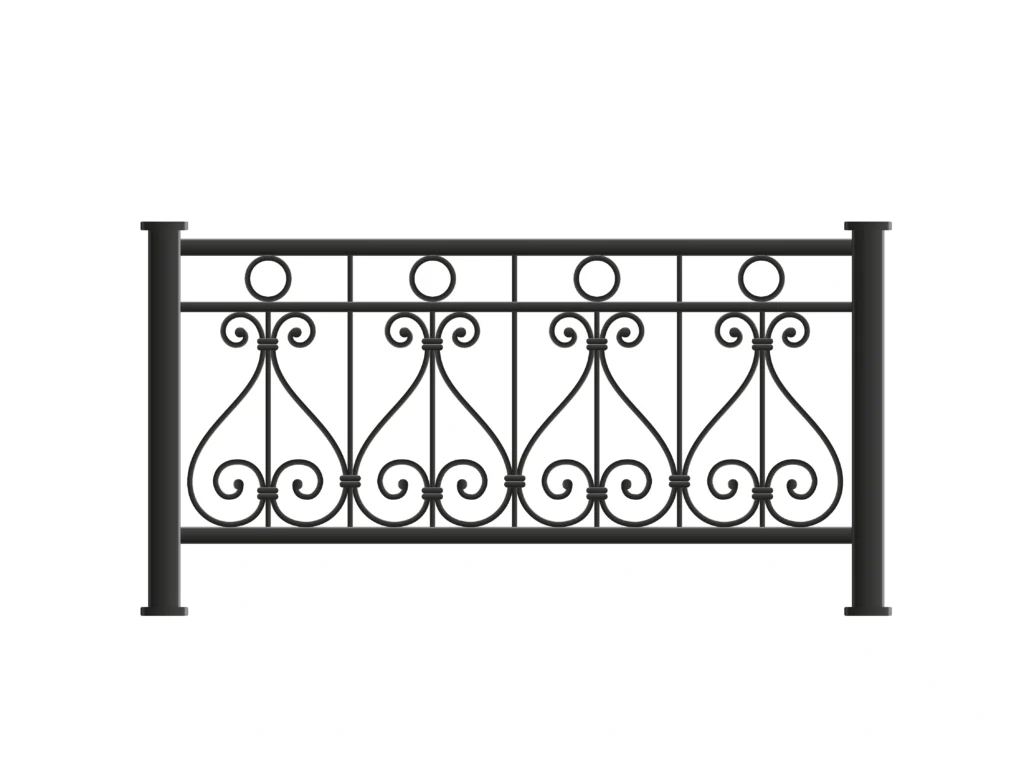
Good windbreak options for balconies include:
- 50% density agro shade net that is either attached to the standard railing or hanging between vertical poles. this is lightweight, strong, reasonably priced, and very efficient. It lasts through several monsoon seasons and effectively filters wind.
- Screening panels made of grass or bamboo that are attached to railing uprights. these offer effective wind filtering, are generally accessible at hardware and garden stores, and are aesthetically beautiful.
- Along the windward edge is a row of solid, dense plants in bulky containers. before wind power reaches more fragile plants behind them, it can be absorbed by plants such as attractive grasses, tiny shrubs, or even a row of heavier vegetable pots.
- Panels of jute or hessian fabric placed in between pillars. these are affordable, efficient, and breathable. a loose flapping corner in a strong wind may result in more damage than no barrier at all, so make sure all edges are properly secured.
Step 7: Stake and Support tall plants in Pots
In monsoon winds, any plant that is taller than 30 to 40 cm in a container runs the danger of breaking or toppling. Tomatoes, brinjal, capsicum, tall herbs like basil and rosemary, flowering plants like marigolds and dahlias, and any climbing plant growing on a support are all examples of this.
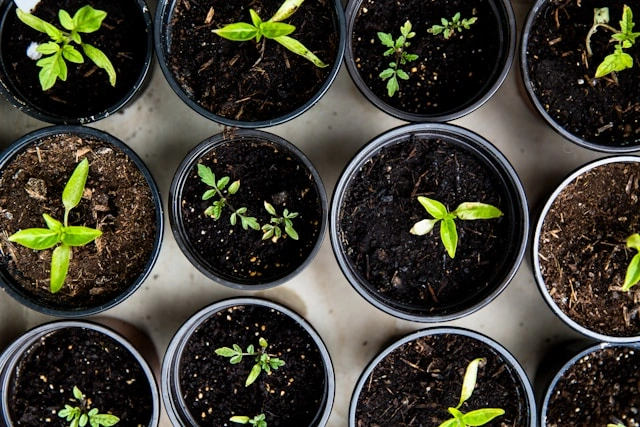
Sturdy bamboo stakes should be safely inserted into the container alongside the main stem prior to the monsoon season. the plant should be tied to the stake in a figure-eight pattern using coconut coir rope or soft cotton thread. Instead of being tightly grounded, the figure-eight allows the plant to bend somewhat, which is better for stem development.
Before a storm, look at every tie along the trellis for climbing plants that grow up a fence, such as money plant, jasmine, or passion flower, and add extra ties to any sections that appear loose. If a climbing plant is not tied at regular intervals, it will capture wind like a sail and fall the entire pot or wall.
Instead of using a single stake for exceptionally tall or top-heavy plants, use two or three stakes arranged in a tripod. the tripod is significantly more efficient at managing wind pressure from various angles.
Step 8: Use Covers and Protective Materials
Having a protective cover available before a storm is important for sensitive plants like adenium, succulents, and cacti that cannot withstand excessive rain, as well as delicate seedlings and young transplants.
During the monsoon, succulents and cacti in particular must be relocated entirely indoors or under a totally covered location. these plants can rot from the roots up after just a few days of intense rain, especially if they are in pots with a lot of potting mix.
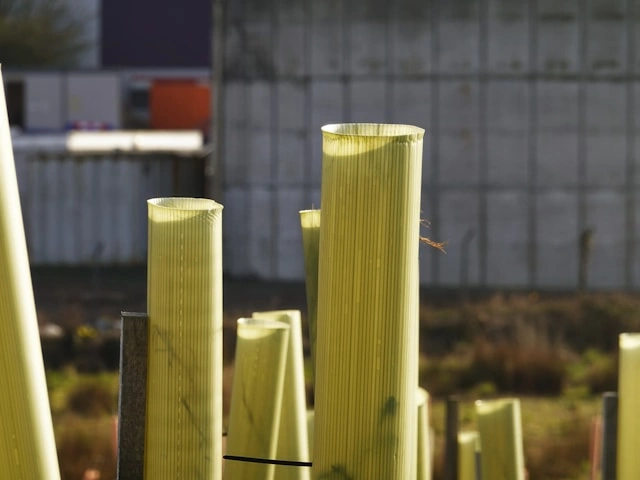
Here are practical cover options for other plants:
- Individual little plants are protected from direct wind and rain by inverted pots and bowls. you should use a stone or block to weigh these down.
- For a collection of small to medium-sized pots, a straightforward bamboo frame covered in open jute fabric is ideal. because jute allows some airflow, the risk of fungus and humidity that accumulates behind transparent coverings is decreased.
- It is stretched across a frame, an agro shade net lets some light through while shielding against wind and rain.
- In an emergency, old cotton sarees or dupattas make great air coverings. they air well enough to avoid hazardous humidity growth below, are soft, and won’t harm stems.
- During a very strong storm, plants can be protected from the worst of the direct rain force while still allowing some air to get through by covering them with a transparent plastic sheet (not an airtight one).
Step 9: Fix your potting mix before Monsoon
The quality of the potting mix within the container is one of the most ignored areas of protecting monsoon pots. During the monsoon season, heavy, clay-based soil is terrible. It gets compacted under constant rain, holds water like a sponge, and significantly raises the danger of root rot.
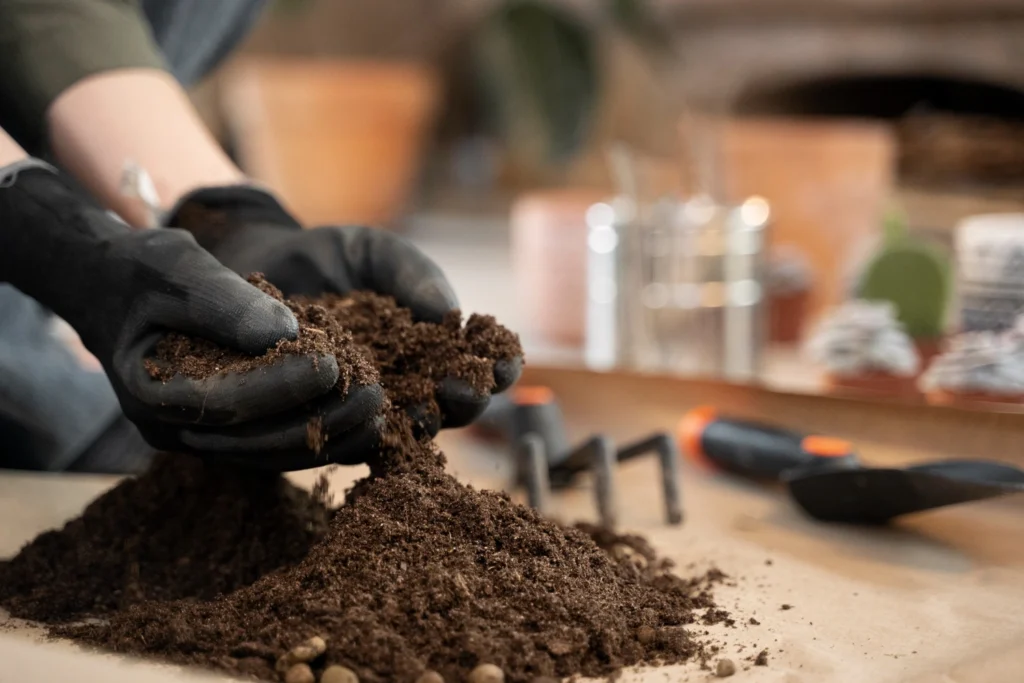
If your pots are loaded with heavy garden soil before to the rainy season, think about replacing them with a well-draining monsoon potting mix. For Indian monsoon conditions, a suitable combination usually consists of:
- 40 to 50 % cocopeat (coir pith) which provides structure, retains some moisture, and drains well
- 20 to 30 % compost or vermicompost which adds nutrients
- 20 to 30 % perlite or coarse sand which ensures fast drainage and aeration
Unlike garden soil, this type of combination maintains roots hydrated, absorbs monsoon rain fast, and doesn’t gather when heavily watered.
Step 10: Move the most vulnerable plants Indoors
Certain plants should be moved indoors for the whole of the season or at the very least during storm events since they simply cannot withstand direct monsoon conditions. Among the plants in this category are:
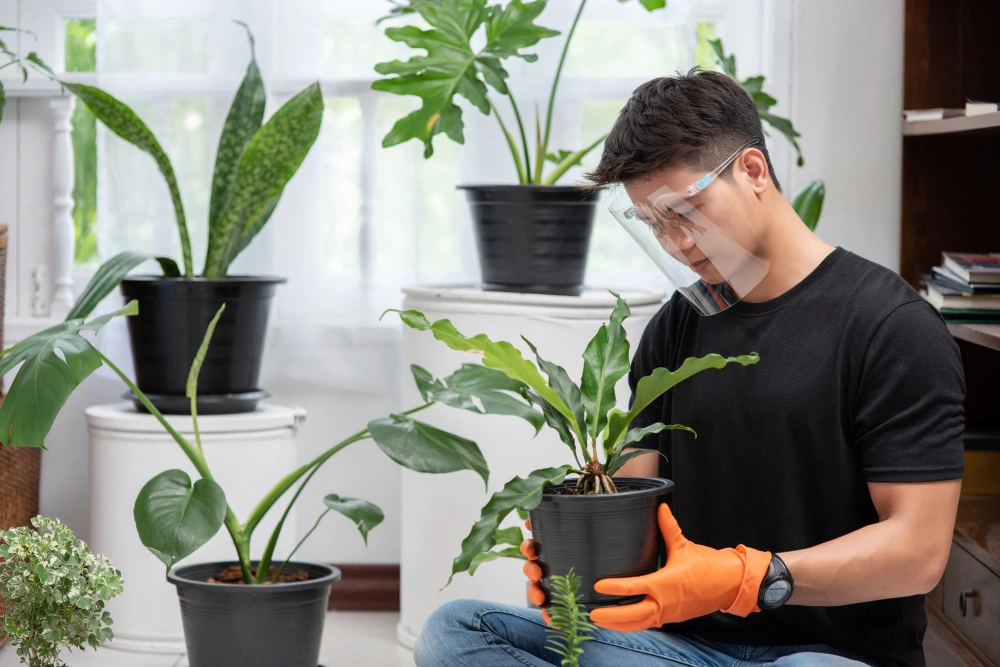
- Succulents and cacti which excessive moisture causes rot very rapidly.
- Adenium (Desert Rose): even a few days of continuous rain can kill these plants.
- Bonsai plants: these are often in shallow containers with minimal soil that cannot buffer against waterlogging.
- Crotons in small pots: vulnerable to root rot and wind damage.
- Seedling trays and young transplants: these have no root establishment to anchor them and are highly sensitive to both wind and waterlogging.
Transfer them to a covered windowsill, a well-lit inside area, or a covered section of the balcony where they are protected from direct rain and receive brilliant indirect light.
Which are quick actions to take during the storm?
When a storm is actively happening or about to hit, here is a quick checklist of actions to take:
- If you haven’t already, bring in all of your hanging baskets.
- All tiny, light pots should be pulled toward the wall and away from the fence edge.
- For help one another, group pots together.
- Any temporary shade nets or coverings that are not securely fastened should be taken down since a loose cover might be harmful in a high wind.
- Saucers should be taken out of all outside pots right away.
- Gather any fully grown fruits or veggies that are almost fresh. It’s better to eat a damaged tomato than to lose it.
- Use bricks or stones to weigh down any coverings or protective textiles.
- Any tall fences or bamboo supports that could capture wind should be fixed or placed flat.
What are recovery steps after storm?
Here’s what to do when the storm has passed and it’s safe to walk outside:
- you should look for flooding in each pot. If the soil is wet after you stick your finger two centimeters into it, tilt the pot slightly or make more holes to allow the extra water to drain more quickly.
- Any plants that have fallen over or bowed should be re-staked. for the best chance of healing, do this within 24 to 48 hours. to restore root contact, completely pack sand around the base.
- Use antiseptic scissors to carefully trim any damaged or snapped stems. a clean cut minimizes the opening for fungal infection and heals far more quickly than a jagged, broken one.
- Clear the balcony floor of any standing water near pots. the balcony’s surface is kept soaked by standing water, which also promotes mosquito breeding.
- In the days following the storm, look for symptoms of fungal illness. Look for white, powdery areas on leaves, blackening at the base of stems, fading leaves, and soft stems. As soon as fungal problems appear, apply a neem oil spray.
Which balcony plants handle monsoon best?
It is much easier to design your balcony garden for the approaching rainy season if you choose plants that grow in moist, humid conditions. Indian balcony and terrace gardens that are suitable for the monsoon season include:
- Hibiscus grows during the rainy season and likes wetness and humidity.
- As its name implies, rain lilies (Zephyranthes) blossom beautifully during monsoon rains.
- The money plant (Pothos) is almost unbreakable and can easily withstand humidity and rain.
- Jasmine produces aromatic grows and grows in monsoon circumstances.
- Coriander and mint are excellent in the kitchen, enjoy wetness, and grow quickly.
- Peace lilies and ferns are ideal for high-humidity, shady balconies.
- Marigolds are hardy, tough, and rain-tolerant.
- Fenugreek, spinach, and okra (Bhindi) are great vegetable options for monsoon container planting.
However, succulents, cactus, adenium, most Mediterranean herbs like rosemary and thyme (which prefer dry situations), and lavender are plants that should be handled with particular caution or kept indoors during the monsoon.
Frequently Asked Questions (FAQs)
How do I stop my balcony pots from tipping over in monsoon winds?
Instead of using lightweight plastic containers, you should use significant pots made of concrete, ceramic, or terracotta that are more difficult to turn. Tall, thin pots are less stable than wide, low-profile pots with a large base. place all of the pots in a group against the wall and move them away from the railing. when people are grouped together, mutual support is created, with each pot supporting those around it.
Should I bring my balcony plants indoors during the monsoon?
Yes, but not all of them. during the monsoon, succulents, cacti, adenium (desert rose), bonsai, and young seedlings should be brought indoors since they are extremely open to excessive moisture and can quickly degrade.
My balcony pots get waterlogged very quickly during heavy rain. what should I do?
Three issues are typically involved: pots that are flat on the ground, a thick soil mixture that holds too much water, and connected drainage holes. Fix all three at once, such as using a screwdriver or stick to clear all drainage holes, replacing your potting mix with a well-draining mixture of cocopeat, perlite as a and compost, and raising each pot on bricks, plant stands, or pot feet so that the drainage hole has a clear space below it.