You put on your helmet on Monday morning, even though you are already running late for work. Your cheeks are quickly pushed up against a smelly, damp, and cold sponge. the smell of old sweat and dirty rainfall trapped within a motorbike helmet is the worst.

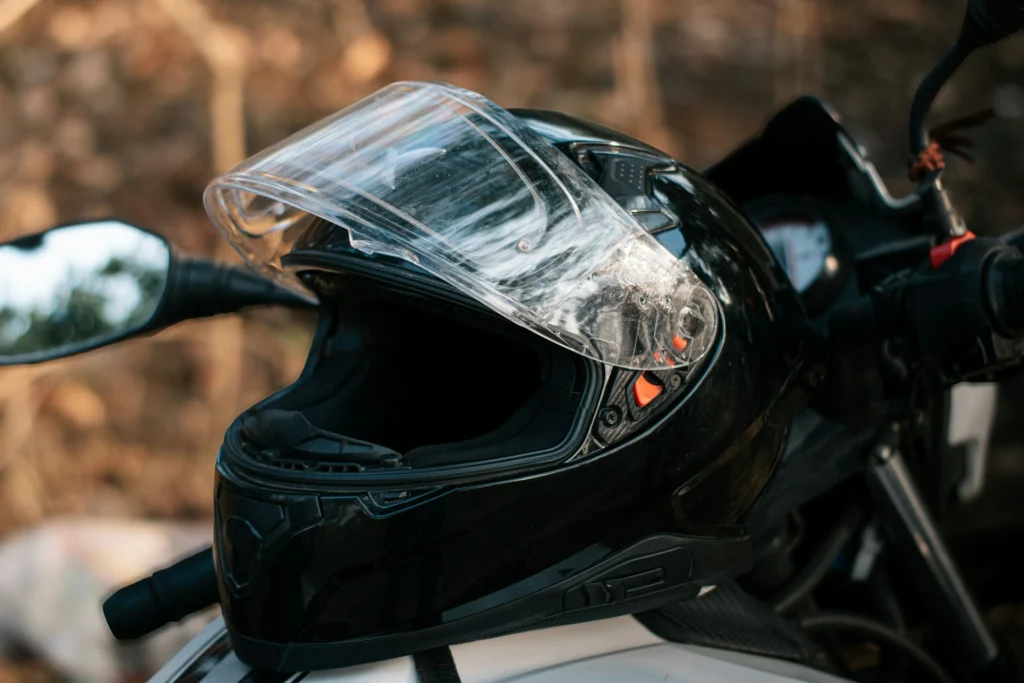
I lost a great touring helmet due to the same issue last monsoon. during a heavy July downpour, I left it attached to my bike mirror. the next day, the smell was so strong that I couldn’t bike with the visor down without becoming sick.
Cleaning a helmet is not the same as cleaning a t-shirt. If you do it incorrectly, you damage the protecting foam that is inside and risk your real road safety. this is the right technique for cleaning and drying a wet motorbike helmet without damaging the expensive parts inside to get rid of that terrible damp smell.
The huge mistake of using a hot hair dryer
When their helmet gets wet and they have to bike to work in two hours, most people become anxious. they take a hair dryer, set it to the highest setting, and blast it inside the shell.
Never do this. In doing so, I totally burned the safety foam in my previous helmet. the EPS liner, a hard, thermocol-like material within your helmet, is made especially to crush in an accident to protect your skull. this foam is essentially melted and compressed by high heat, making the helmet totally useless in an accident. additionally, the adhesive that holds the fabric lining together is destroyed by the intense heat.
If you absolutely must use a dryer to speed things up, use the cool air setting only. honestly, a high-speed ceiling fan is much safer.
The only safe way to wash the inner pads
The bacteria has absorbed into the fabric of your helmet if it smells like water. It must be physically removed.

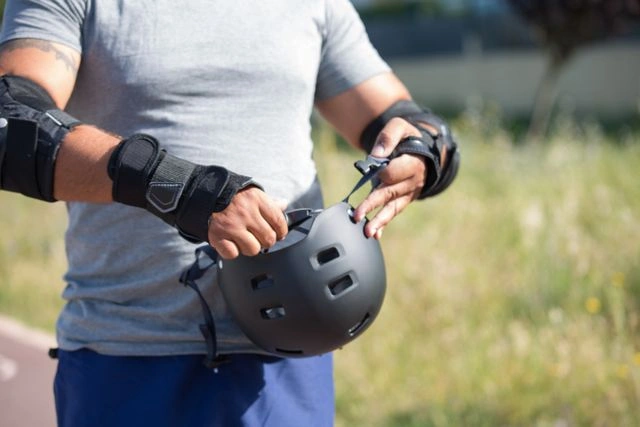
The majority of modern helmets have a top liner and removable cheek padding. you should gently pull off any little plastic pushbuttons that are located close to the chin strap.
- Step 1: Take room temperature water into a small bucket. Avoid using strong laundry powder. The sponge keeps a heavy chemical residue from laundry detergent. That residue will combine with your skin oils when you sweat the next day, resulting in horrible cases of acne on your cheeks.
- Step 2: Instead, use a few drops of soft baby shampoo. It completely removes moisture and hair oils without leaving behind harsh chemicals.
- Step 3: Gently press the pads like a sponge after soaking them. The color of the water will likely shock you. After empty the bucket, wash the pads with fresh water until no soap bubbles remain.
Why spraying deodorant inside makes it worse
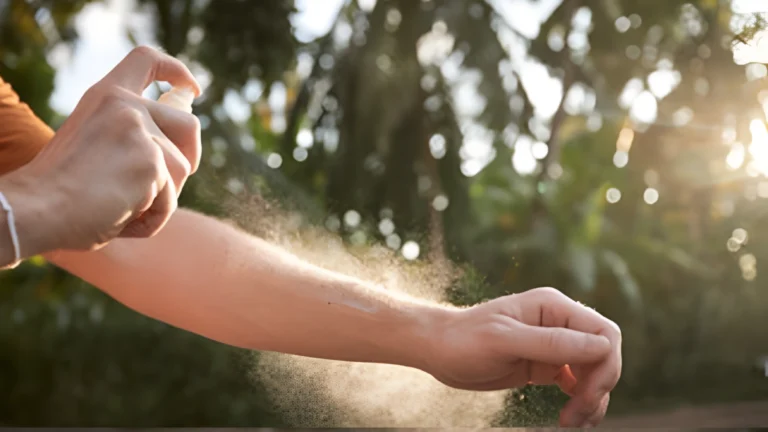
This is something I often see bikers doing at traffic signals. to cover up the wet smell, they blast the inside of the helmet with a can of strong body spray.
This is a serious mistake. deodorant just covers up the smell as it does not kill microorganisms. A toxic, unpleasant smell is produced when the cheap perfume combines with the trapped moisture and germs in the foam. you’ll be breathing heavily after ten minutes of cycling with the visor down.
The silica gel and newspaper trick for daily commuters
What happens if you bike every day and don’t have enough time to dry your cleaned pads? you require a fast, overnight solution.
Save the little white packets of silica gel that come with brand-new shoe boxes or medication bottles. wipe the outside shell of your wet helmet dry when you reach home. after that, place five or six packets of silica gel inside the helmet and set it down on your desk. while you sleep, they quickly drain the moisture from the cloth.

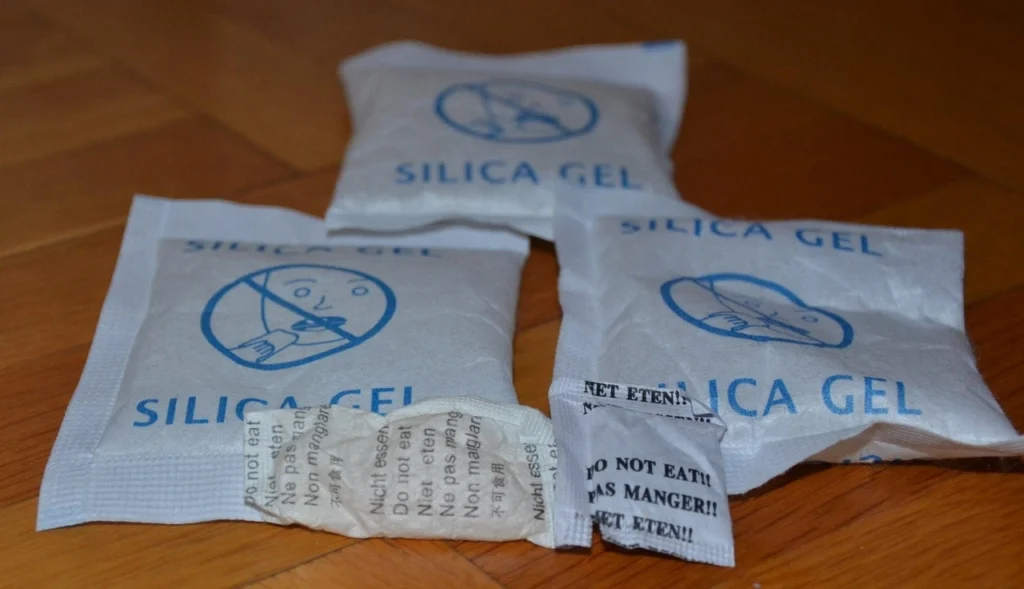
If silica gel is not available, fold two pages of the daily newspaper and firmly place them inside the helmet. a stunning quantity of water is absorbed by the dry paper, which also removes the foul smell. just don’t forget to discard the wet paper the next morning.
What if your helmet pads are not removable?
You cannot put your entire basic helmet in a bucket if the inner lining is attached directly to the shell. the metal hooks will break down if water gets stuck between the foam and the plastic shell.
Alternatively, put a fresh microfiber cloth into a very thin solution of water and baby shampoo. scrub the inside fabric gently after drying the cloth until it is barely wet. you should rinse it with normal water once you’ve washed away the grime and dirt. overnight, place the helmet upside down under a high-speed ceiling fan.
Read here: How to stop your car windshield from fogging up in the Rain
The secret to keeping it clean all monsoon
It’s hard to wash your helmet every weekend. preventing sweat and rainfall from ever coming into touch with the foam is the simplest approach to completely remove the smell.
Purchase an affordable, machine-washable cotton skull hat or balaclava. every time you bike, place it under your helmet. all of your perspiration, hair oil, and any rains that manage to get through your visor are captured by the cotton. you can just put the balaclava in the washing machine with your regular clothing when it becomes filthy. washing a small piece of fabric is far simpler than removing your complete helmet.
Frequently Asked Questions (FAQs)
How long does the inner padding take to dry naturally?
The thick cheek sponges often require a full day to dry entirely below a ceiling fan if you wash the pads and use your hands to squeeze out any extra water. the damp smell will return right away if wet pads are put back into the helmet. to be honest, the best investment a daily rider can make is to purchase an extra set of inner pads online.
Can I put helmet pads in the washing machine?
It is strongly advised that you stay away from the washing machine. there are tiny plastic clips that hold the cushions to your helmet shell may break or the delicate fabric covering the sponge may be torn by the forceful spinning. you should wash them by hand in a bucket at all times.
Does keeping the helmet in direct sunlight help kill the smell?
Although bacteria are naturally killed by sunshine, it is not a good idea to leave your helmet frying in the afternoon sun. your helmet’s protective lifespan is greatly limited by strong UV radiation that damage the exterior polycarbonate shell and gradually dry rot the safety foam within. Instead, you should always use a fan to dry it indoors.