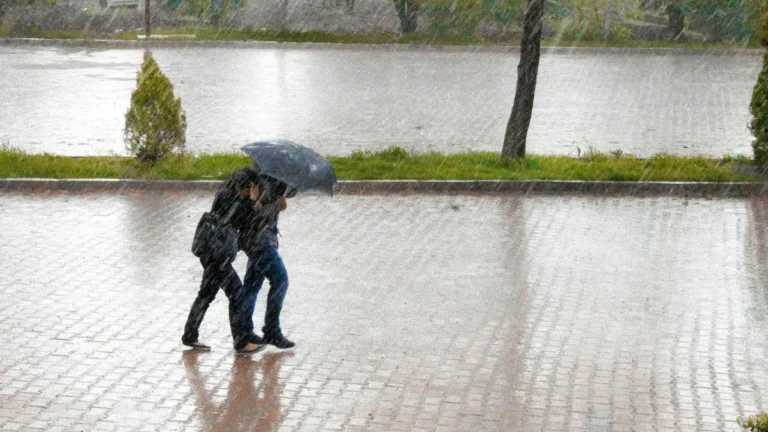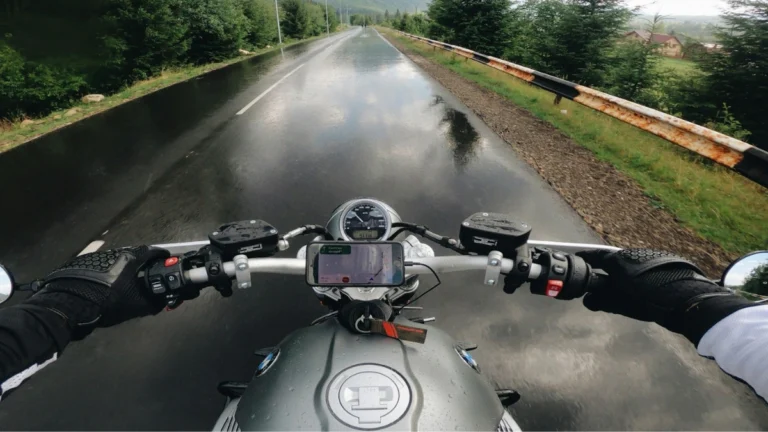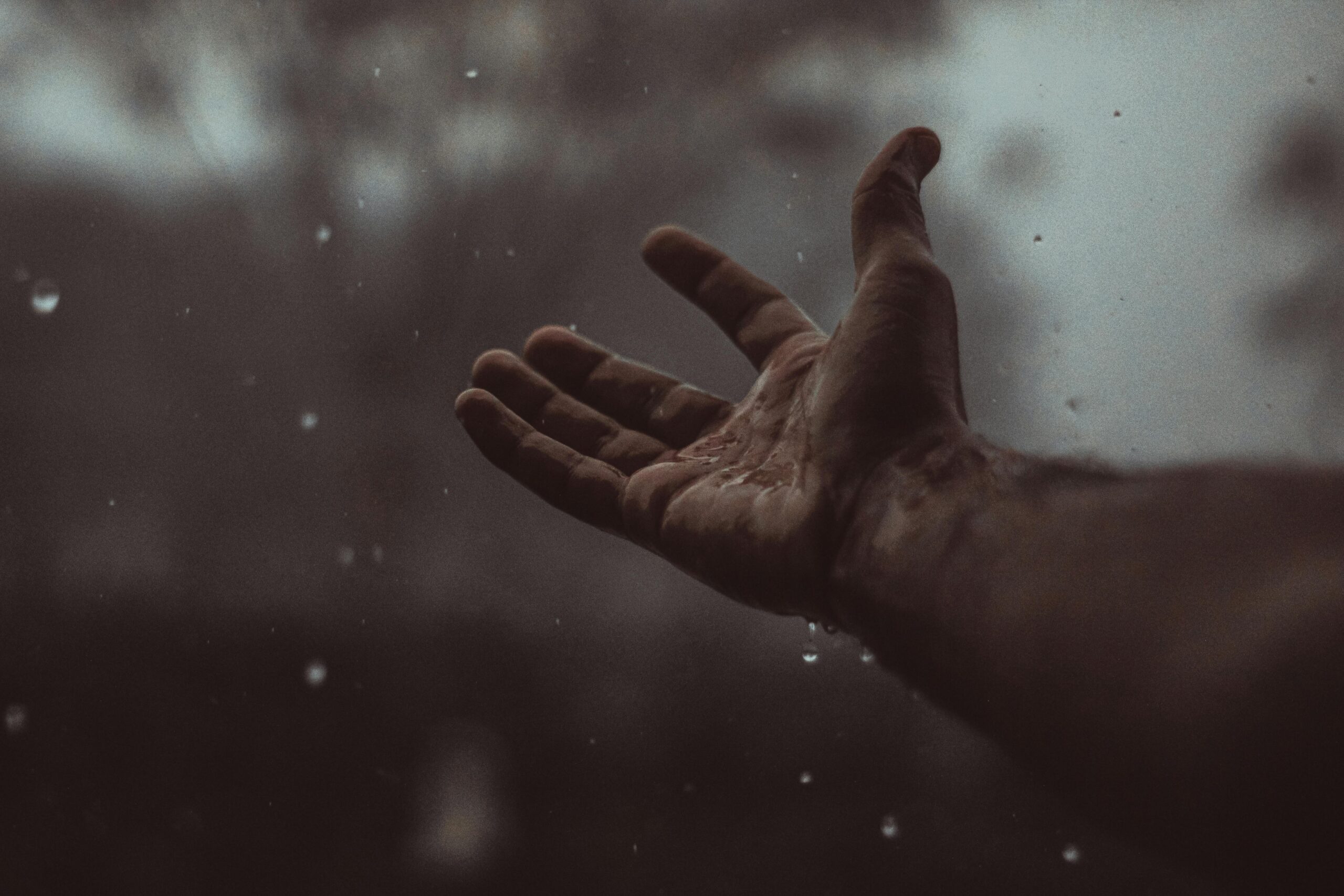
Look, I understand. after months of extreme heat, there is a real urge to go outdoors and dance in the rain when the first monsoon drops come. However, the monsoon season involves more than simply hot tea and romantic walks in the rain. there are some significant hazards associated with it, but most individuals choose to overlook them until something goes wrong.
I’m not trying to scare you. I’ll simply give you 5 things you should never do during monsoon. consider this tip from that one friend who is constantly watching out for you. Every one set? Come on.
1 – Never Walk or Drive through Flooded Streets
This is the major one. We see the same incident on the news every rainy season: someone tried to cross a flooded path and got into major difficulties.

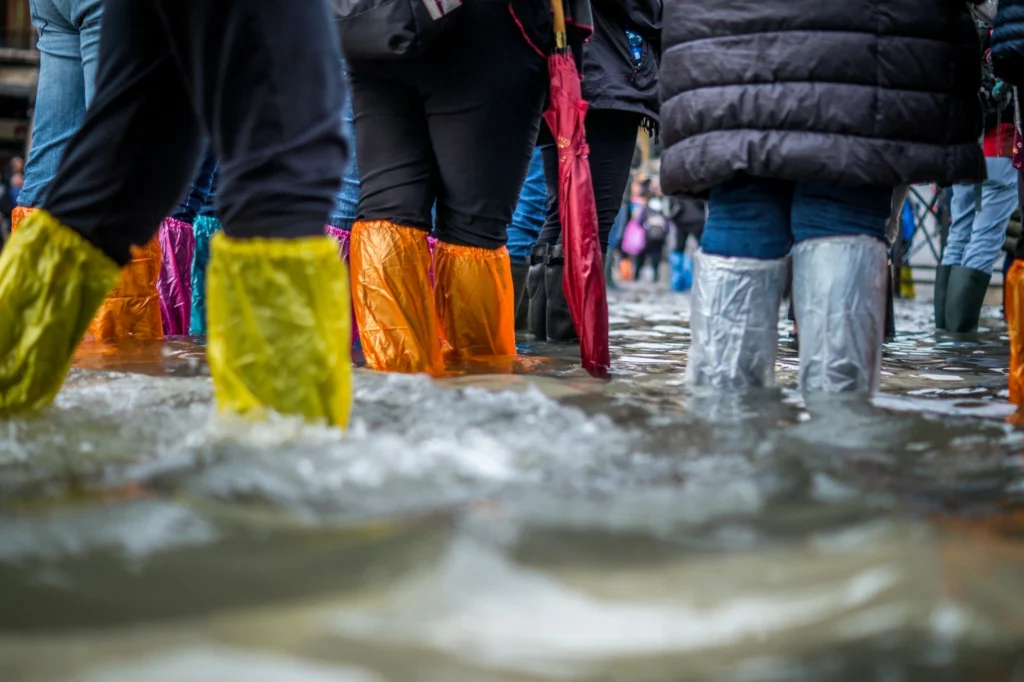
Most people are unaware of this that looks like a normal water that covers the road? The depth of it is beyond what you can understand. The water may be waist deep or ankle deep. Even worse, you might not be able to notice an open hole below. People have really drowned after falling into them.
It’s extremely riskier for drivers. You can be knocked out by just six inches of fast moving water. Most cars can be carried away by twelve inches. In flooded water, your car’s engine may stop, leaving you stuck in a position where the water is rising. Not enjoyable.
What to do instead:
You should look for a different path. Really, even if it requires an additional 20 minutes of time. Time savings is not as important as your safety. Get out of your vehicle right away and find higher ground if you are already surrounded in rising water. Do not try to restart your vehicle.
2 – Don’t Touch Electrical Wires or Use Electronics with Wet Hands
Water and electricity together are dangerous. Electrical lines can break down during the monsoon, particularly when there are strong winds and rain. These wires appear simple and may be found in rivers. they’re not.

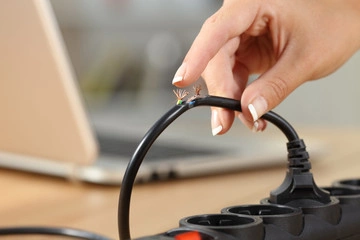
You might get shocked even at home if you use an electrical device or phone charger with wet hands. Electrical shocks may not seem like much, but they may be deadly. Just by plugging in their phone when their hands were a little wet, I know someone who received an intense shock. They were fortunate that things weren’t worse.
This is especially important if you have kids at home. While they shouldn’t be playing in muddy pools, there are plenty of fun indoor activities to keep them entertained. Check out our guide on how to keep kids entertained during rainy days for safe and fun ideas.
What to do instead:
Before handling anything electrical, make sure your hands are dry. Stay at least 20 feet away and call the power department right away if you find a fallen wire outside. To prevent power surges, disconnect costly gadgets at home during strong storms.
3 – Skip the Street Food (yes, really)
Yes, I am sure. During the monsoon, purchasing bhutta (corn) and pakodas from street vendors feels like a birthright. But listen to me.


Food hygiene becomes a serious problem during the monsoon. That looks like a tasty dish outdoors? Rain, wetness, insects, and bacteria which grow rapidly in rainy environments are all present. Fruits and vegetables that are placed outside are exposed to a variety of bacteria, and street food vendors frequently use potentially dirty water.
Stomach illnesses, typhoid, and food poisoning rise during the monsoon season. The most of these examples? connected to unclean restaurants or street food.
What to do instead:
Make your pakodas at home. I promise they’ll taste even better because you made them, plus you know exactly what went into them. If you must eat out, choose places with proper hygiene standards those with covered food areas and clean kitchens.
4 – Never Ignore Contained Water near your house
That little pool of water that has been in the container on your balcony for three days? It’s a mosquito birthing ward now.
Mosquitoes may quickly hatch their eggs in about 24 to 48 hours when they grow in stagnant water. Dengue, malaria, and chikungunya infections spike during the monsoon season, and all it takes is a mosquito bite.

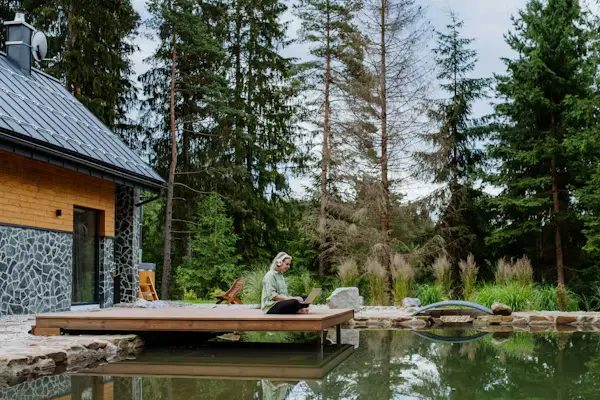
The most terrifying part is that mosquitoes can grow up without a large pond. They are happy with buckets, blockage drains, old tires, flower pots, and even water-filled bottle caps. The majority of individuals are realize that their own homes give rise to the issue.
What to do instead:
You should check your house every few days. Empty any containers with standing water. Clean your drains. If you have an outdoor water storage tank, keep it covered tightly. Use mosquito repellent, especially during early morning and evening when mosquitoes are most active.
5 – Avoid playing in muddy water or going without shoes
Children enjoy jumping in pools, and to be honest, we all have a childlike want to do the same. However, such lakes are really a soup of germs.

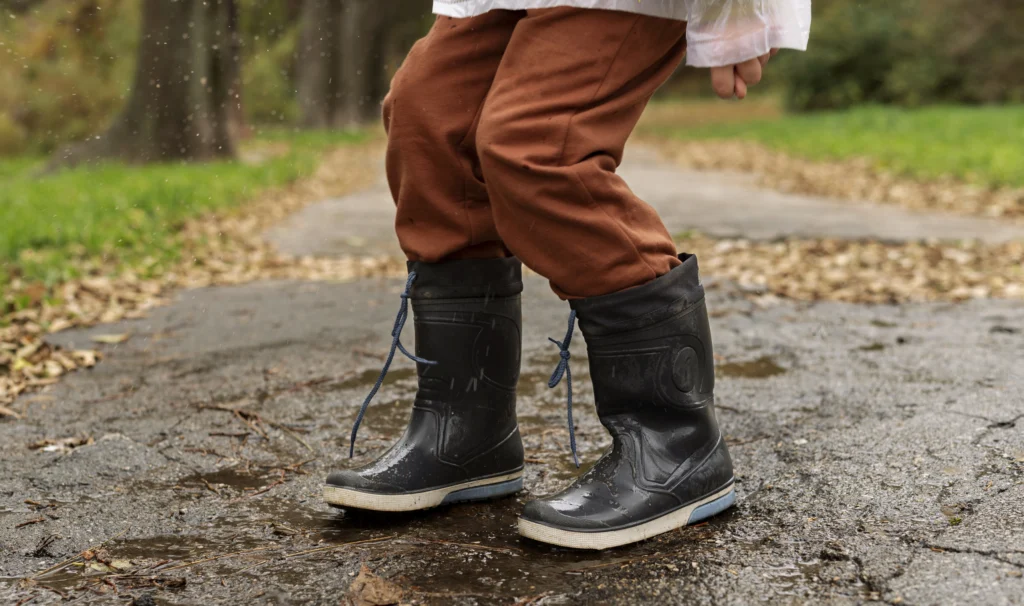
Wastewater, toxic chemicals, germs, and animal waste are all found in dirty floodwater. You run the risk of infections, wounds from hidden sharp items, and skin conditions if you go barefoot in this. You may not even be aware of the little wounds on your feet that allow diseases to enter.
Additionally, water contaminated with animal urine can cause leptospirosis, which is a bacterial disease. It’s dangerous and can harm your liver and kidneys. During the monsoon season, cases rise, primarily due to individuals walking through waters.
What to do instead:
You should always wear proper waterproof footwear when going out in the rain. If your feet do get wet and dirty, wash them immediately with soap and clean water when you get home. Keep your footwear clean and dry to prevent fungal infections.
The Bottom Line
The monsoon season is lovely. The colder weather, the green surroundings, and the scent of rain on dry ground. For many of us, this is truly the most lovely time of year. However, it also brings genuine risks to our health and safety, which we must take carefully.
I’m not suggesting spending three months locked up indoors. Just do it wisely. You may enjoy the monsoon season without becoming sick or in danger if you avoid these five things and pay attention to your surroundings.
Enjoy the rain carefully and keep yourself safe!
Is it safe to swim or bath in rainwater during monsoon?
No, you should to stay away from it. Particularly in urban areas, pollution, chemicals, and bacteria may contaminate rainwater. Take a good wash with soap when you come home if you mistakenly get wet in the rain to get rid of any germs.
Is it safe to use my phone while charging during monsoon storms?
Well, It’s risky. Power surges may occur during thunderstorms. During extreme weather, disconnect chargers and prevent from using your phone while it is charging. It’s better to be safe than unfortunate.
How do I know if street food is safe during monsoon?
You should look for places that prepare meals fresh in front of you, use clean water, keep food covered, and keep general hygiene. But in all honesty, during the monsoon season, home-cooked meals is your best option.