When you open your wardrobe during the monsoon, you’ll pick up that musty smell. That smelly, wet smell that unexpectedly gets into every item of clothing you own? Yes, everyone has been there. and you know what I mean if you’ve ever taken out your old shirt and found strange patches on it.


Although the monsoon season is lovely, your clothing needs special attention at this time. Mildew and mold are bacteria that grow in the humidity, continuous moisture, and lack of sunlight. don’t worry, however. you can keep your clothing dry, fresh, and ready to wear for the whole season with a few easy storage tips.
Let me share some practical best way to store clothes during monsoon that actually work.
Clean everything before you store
Although it can be simple, this is the most important stage. Even if your clothes look clean, you should never keep them during the monsoon.
This is the reason. In humid conditions, body oils, body sweat, and micro food particles turn into food for bacteria and mold. In a week, anything that appears OK today could become marks and smell terrible.

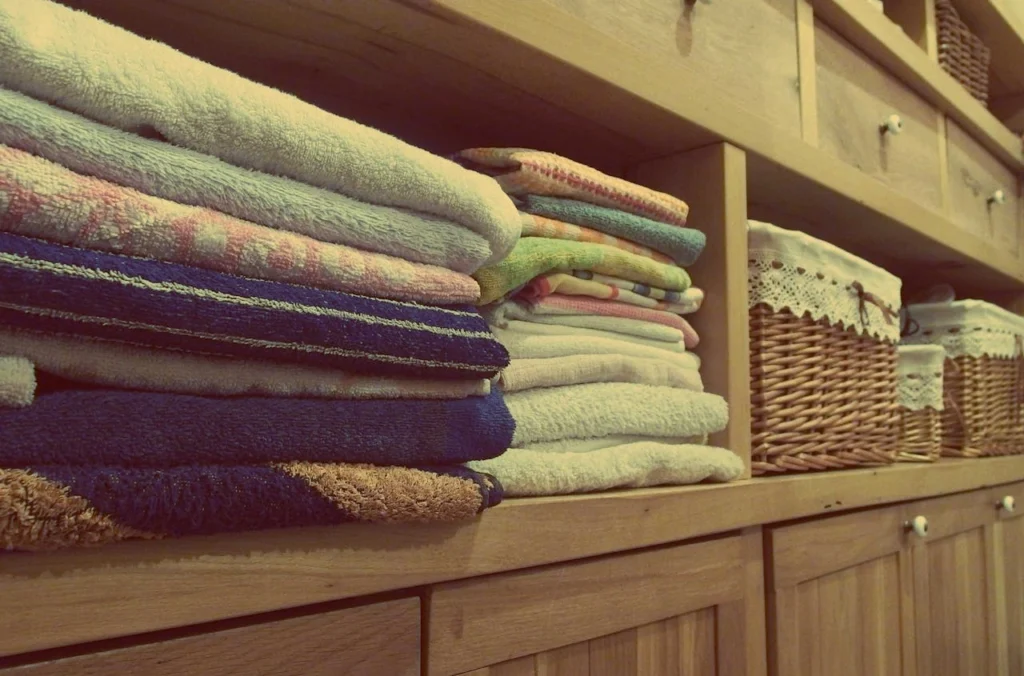
Before storing anything, give it a good wash. Before folding clothes, make sure they are entirely dry. I’m talking about bone dry, not just “feels dry.” Touch several areas of the cloth, particularly the collars and heavy stitches. Any moisture that stays in the cloth can later cause issues.
You should get your seasonal clothing, such as woolens, dry cleaned before storing it. Cleaning removes all the unseen materials which attract mold and insects, and therefore the cost is reasonable.
Choose the Right Storage Containers
Although cardboard boxes look useful, they might be an issue during the monsoon season. Cardboard may grow fungus on its own because it absorbs moisture like a sponge. The mold then gets on your clothing.

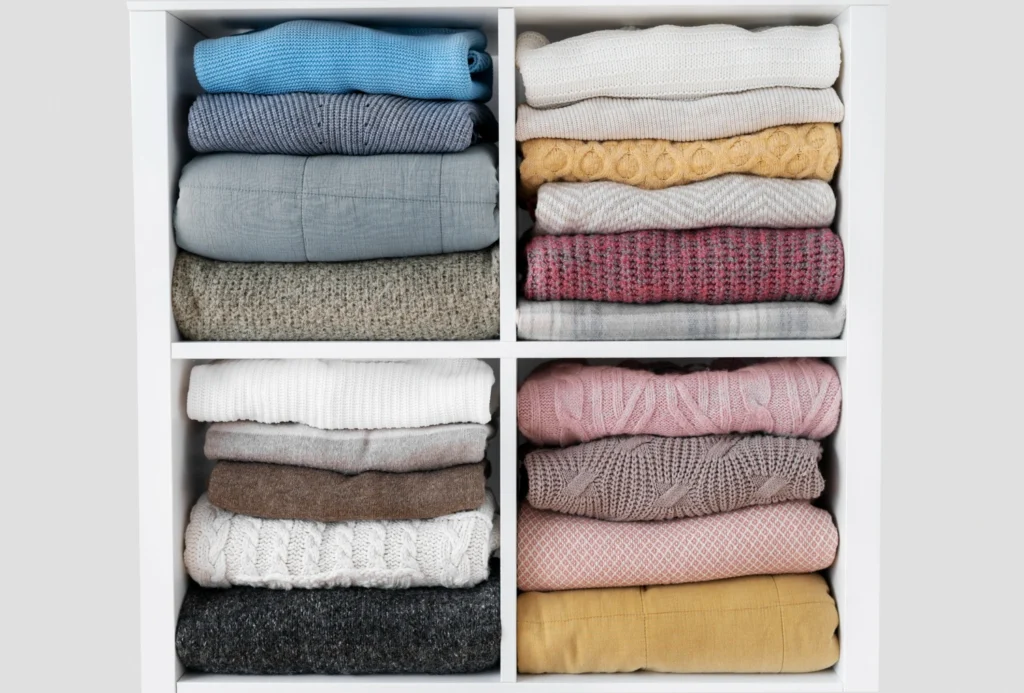
Instead, use plastic containers with tight-fitting lids. Select for containers that effectively keep moisture out and seal. Because you can see what’s inside without constantly removing them, clear plastic boxes are fantastic.
For long-term storage of big clothes like coats and sweaters, vacuum-sealed containers are good. They remove all moisture and air, preventing the growth of mold. Before sealing, just make sure the clothing is absolutely dry.
You can use breathable fabric garment bags rather than plastic coverings if you would rather keep clothing in your wardrobe. Fabric bags enable some air movement, but plastic keeps any moisture inside. This is especially important for clothing you’ll wear throughout the season.
You should avoid packing containers overly full. Give the air room for flow. Crowding in storage leads to areas where moisture stays there and mold grow.
Use Moisture Absorbers
During the monsoon, moisture absorbers are your greatest friend. They keep your storage spaces dry by absorbing excess humidity.
Packets of silica gel work really well. do you remember those little packets that came with brand-new bags and shoes? use them in your storage and save them for the entire year. Put many packets at the back of clothing racks or in each container. As they become wet, replace them every several weeks.


Silica gel may also be sold online in large quantities. If you regularly dry it out in the sun, it is affordable and long-lasting.
Another excellent choice is activated charcoal. It naturally gets rid of smells and absorbs moisture. Place a little cloth bag filled with small pieces of charcoal in your wardrobe. It keeps things interesting by working silently in the background.
Put little basins filled with baking soda on cupboard shelves as a do-it-yourself option. Baking soda neutralizes smells and absorbs moisture. During the monsoon season, replace it once a month.
Regular chalk pieces are also used by certain folks. Keep a collection of chalk sticks in your wardrobe. Chalk is affordable and absorbs moisture from the air.
Add Natural Fresheners
It’s important to keep clothing dry, but you also want them to smell good. Natural room fresheners are safer for your clothing and perform better than artificial ones.
The leaves of neem are wonderful. Neem has strong antifungal qualities, and insects detest it. Add a few fresh neem twigs to your storage containers. They prevent insects and stop the growth of fungi. When they are totally dry, replace them.
Dried lavender sachets contain small antimicrobial agents and a lovely smell. You may purchase them or make your own by packing little fabric bags with dried lavender. They give your clothing a pleasant smell without being overwhelming.
Bar soap is surprisingly effective. Place a bar of your favorite soap on a wardrobe shelf after opening it. It absorbs some moisture and has a light smell. Just be careful not to let the soap come into contact with your clothing.
Bitter smells can be removed by placing coffee beans in a small, open container. They keep storage spaces feeling fresh and neutral, yet they don’t smell like your clothing.
Even if a wet item is only slightly wet from humid air, it should never be stored with dry ones. Everything in the area around it will get wet.
Store in the Right Location
Just as important as how you keep your clothing is where you store them. During the rain, certain areas of your house are far worse than others.
Generally speaking, higher shelves are safer to lower ones. Warmer air is often drier as the temperature increases. Your wardrobe’s top shelves likely to be drier than its bottom drawers.


Storage should be kept away from walls, particularly exterior walls. When it rains a lot, walls might get wet, and everything that comes into touching them can absorb the moisture. Storage containers and walls should be separated by a minimum of a few inches.
Clothes, especially in closed containers, should never be kept in the kitchen or bathroom. The most humidity in your home is found in these rooms. Steam from bathing and cooking creates moisture that covers everything.
Don’t keep anything right on the ground. During the rain, floors might become wet, particularly in rooms on the ground floor. To get storage containers off the ground, use a tiny stool or rack.
If at all possible, keep necessary clothing in rooms with some daylight. Naturally, sunlight keeps rooms dry and lowers humidity.
Check and Air out regularly
During the monsoon, storing clothing and then forgetting about it is an easy way to go wrong. You must keep an eye on them.
At least once a week, open your storage containers and clothes. For 15 to 20 minutes, let in some fresh air. This keeps wet, cold air from remaining in one spot for an extended period of time.
Make the most of the days when the sun shines. Take out the clothing that have been kept and let them air out beside a window or in indirect sunlight. A little hour of broadcasting has a significant impact.
Look for any sign of mold or moisture. Check the rear ends of shelves and the corners of containers, where issues typically begin. If you see any mold, wipe it off right away with a dry towel and let it to fully air out.
When moisture absorbers get saturated, replace them. When silica gel is wet, its color changes. Baking soda creates particles. Replace them with new ones.
Remember to keep your winter clothing. even though you won’t be wearing them for months, check on them from time to time. It is simpler to prevent mold damage than to repair it afterward.
What not to do during monsoon storage?
During the monsoon, several typical storage practices might actually make things worse. What to avoid is as follows.
You should avoid packing too many clothing in one area. I am aware that storage has limits, but air circulation is impacted by blockage. Let clothing to let out air.

You should avoid using damp or wet hangers. The partially opened parts of plastic hangers may keep moisture. If wooden hangers become wet, mold can grow on them. Before using any hangers, make sure they are totally dry.
Clothes should not be kept in wet cabinets just because they are hidden. Before putting clothing in your cupboard, take care of any moisture or smells that are musty.
When you pull those clothes out of the washing machine, look out for to the little wet feeling. Don’t keep clothing that isn’t totally dry. Use a fan, iron them dry, or hang them up for a longer period of time.
Remember what you’re wearing right now. you also need to take care of your daily clothes. Before returning your regularly washed and used clothing to the storage area, be sure it has dried completely.
Quick Daily Habits that help
Big monsoon storage issues may be avoided with a few little everyday routines.
Spend 10 minutes each morning getting dressed by opening your clothes. This easy action allows fresh air to enter and humid air to exit.
Every day, run a tiny fan in your room for a few hours. The main challenge of mold and moisture is air movement. Moisture is kept from sitting by moving air.
Once a week, use a dry towel to clean the clothing drawers. By doing this, any moisture that has collected on surfaces is cleared.
Clothes that look a little moist should be put in front of a fan right away. Don’t put them back in the storage area or wait.
When it’s not raining, keep the windows in your room open. The finest natural dehumidifier is fresh air movement.
Frequently Asked Questions
How often should I check stored clothes during monsoon?
During the monsoon, you must check stored clothing at least once a week. For 15 to 20 minutes, open wardrobes and containers let fresh air to enter. Keep an eye out for any sign of bacteria or moisture, particularly in corners and at the base of stacks. If moisture absorbers look saturated, replace them.
Can I use regular plastic bags for storing clothes during monsoon?
No, stay away from regular plastic bags. They provide perfect conditions for mold growth by keeping moisture within and preventing air circulation. Instead, use lightweight clothing bags or suitable plastic containers with secured lids. Select vacuum-sealed bags that remove all moisture and air if you must use bags.
What’s the best material for clothes storage containers in monsoon?
The best containers are hard plastic ones with secure lids. If any wetness shows up they are simple to clean and keep moisture out. Stay clear of cardboard boxes since they can grow mold and absorb moisture. Because you can view the contents without constantly opening them, clear plastic containers are perfect.