If you believe monsoons only happen in India, let me introduce you to one of North America’s most beautiful climate thing is Southwest Monsoon.
From mid-June through September, the deserts of Arizona and New Mexico turn into an incredible panorama of towering thunderheads, lightning-covered sky, and life-giving rain that converts brown desert into colorful beauty.

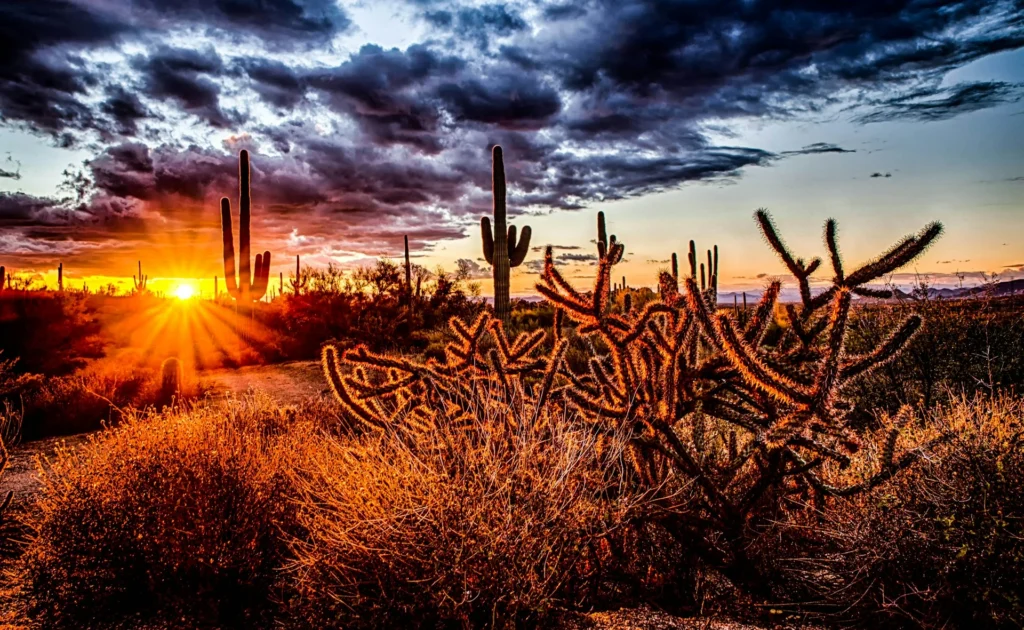
I clearly remember my first Southwest monsoon experience in Tucson. The air had been bone-dry and the day had been intense at 104°F. Then, almost out of nowhere, huge storm clouds floated up over the mountains. within minutes, the temperature went down 20 degrees, the wind got up, and rain came down in floods.
This guide will take you through the best southwest monsoon destinations in USA also show you where to go, when to visit, and how to safely enjoy nature’s most impressive summer show.
- What is the Southwest Monsoon? and Understanding North America's Summer rains
- Best Southwest Monsoon Destinations in USA – Must Explore
- Destinations by High Altitudes
- Destinations by Experiences
- What are essential monsoon safety?
- Best Time to visit for Monsoon Experience in USA
- Best monsoon friendly accommodations in Southwest
- What to Pack for Southwest Monsoon Travel
What is the Southwest Monsoon? and Understanding North America’s Summer rains
Before we get into places, let’s talk about what the Southwest Monsoon truly is because it’s very different from what most people think of when they see “monsoon.”
The North American Monsoon (sometimes called the Southwest, Arizona, or Mexican Monsoon) is a yearly change in wind patterns that brings air with moisture from the Gulf of California and Gulf of Mexico into the Southwest United States. It typically runs from June 15 to September 30, with July and August seeing the most activity.
During these three months, Arizona and New Mexico get over half of their yearly rainfall. During the monsoon season, Northwestern Mexico receives up to 75% of its annual rainfall. For locations that get just 7-12 inches of rain per year, these summer storms are critically important for life.
For tourists, monsoon season provides cooler temps than the extreme dry heat of May and June, highly beautiful sky great for photography, less crowds than winter peak season, reduced hotel prices at resorts, and the chance to watch one of nature’s outstanding exhibitions. Just be prepared for afternoon storms and always listen to flash flood warnings.
Best Southwest Monsoon Destinations in USA – Must Explore
Arizona – 💗 of Southwest Monsoon Country

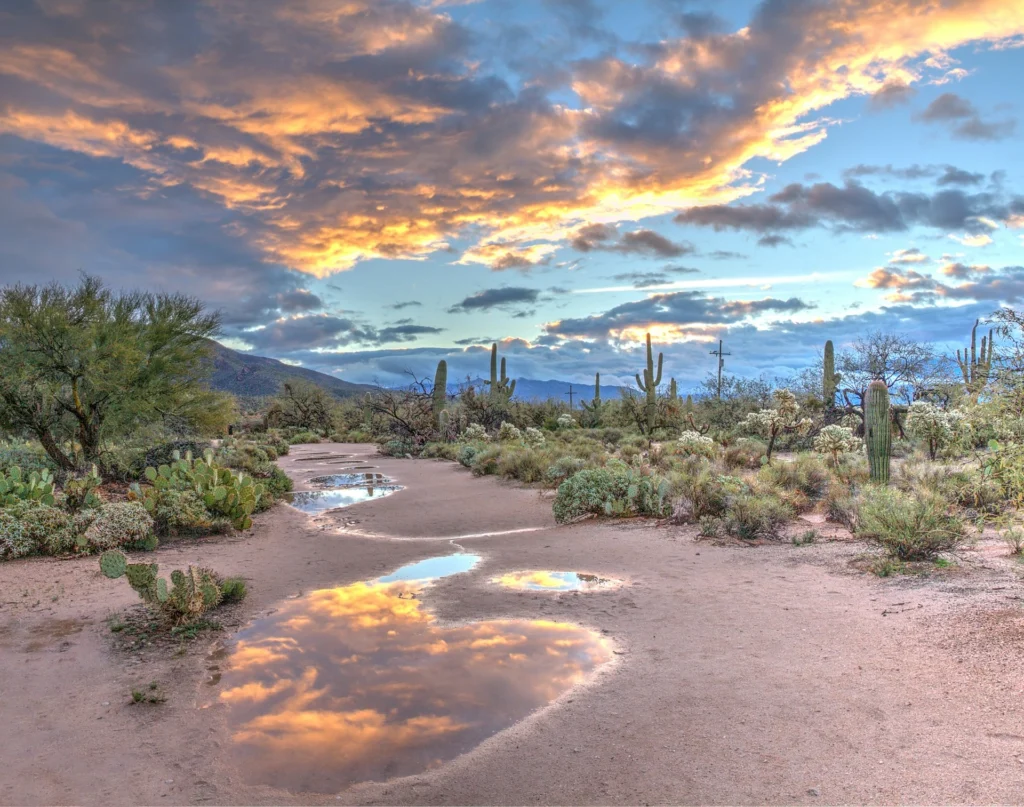
Arizona is ground zero for the North American Monsoon, and trust me, experiencing monsoon season here is like seeing the desert put on its greatest performance. Let’s look at the greatest Arizona locations where you could see this stunning weather moment.
1 – Tucson
Tucson is the city that best shows the true spirit of monsoon season. Although June 15 to September 30 is the official monsoon season, locals are aware that the best storms usually arrive between mid-July and mid-September.

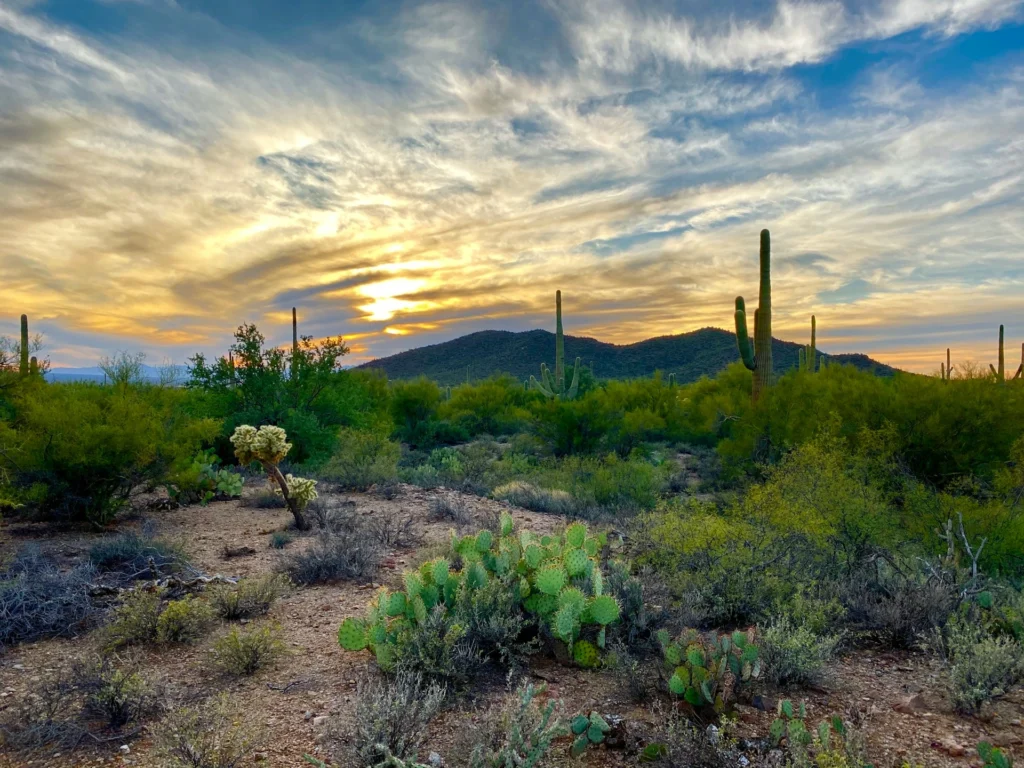
Major spots in Tucson
- Saguaro National Park
- Mount Lemmon
- Arizona-Sonora Desert Museum
- El Charro Café or Café Poca Cosa
2 – Phoenix Metropolitan Area

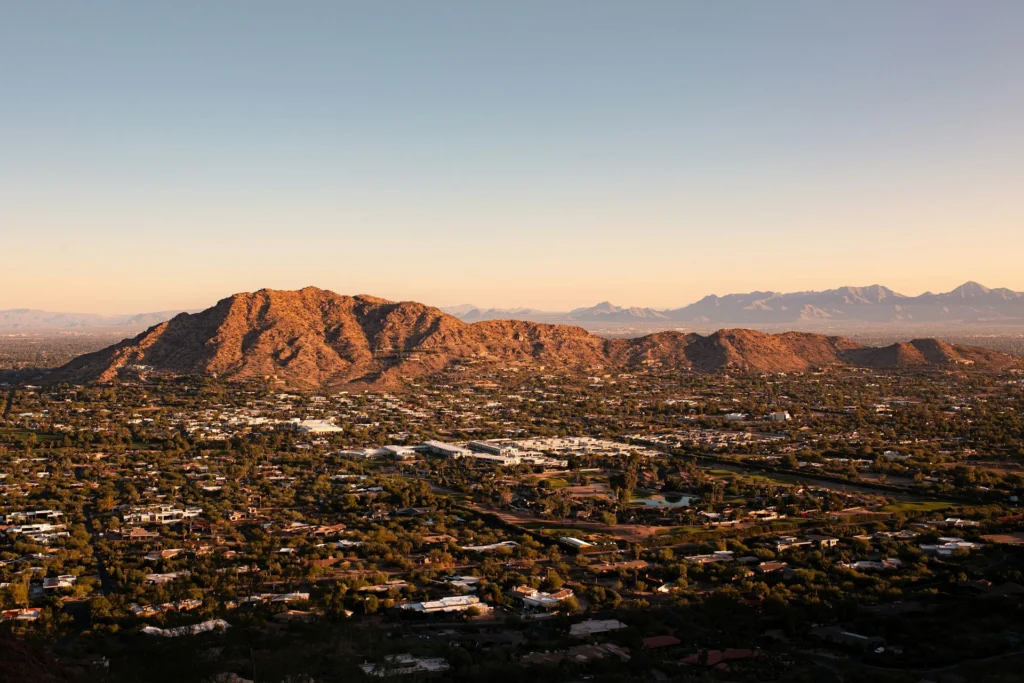
Phoenix could not get as much monsoon rain as Tucson, but its drama more than makes up for it. Storm formation may be increased by the Valley’s massive urban growth, which produces its own heat island effect.
Major spots in Phoenix metropolitan area
- South Mountain Park
- Camelback Mountain
- Desert Botanical Garden
- Papago Park
- Piestewa Peak
3 – Sedona
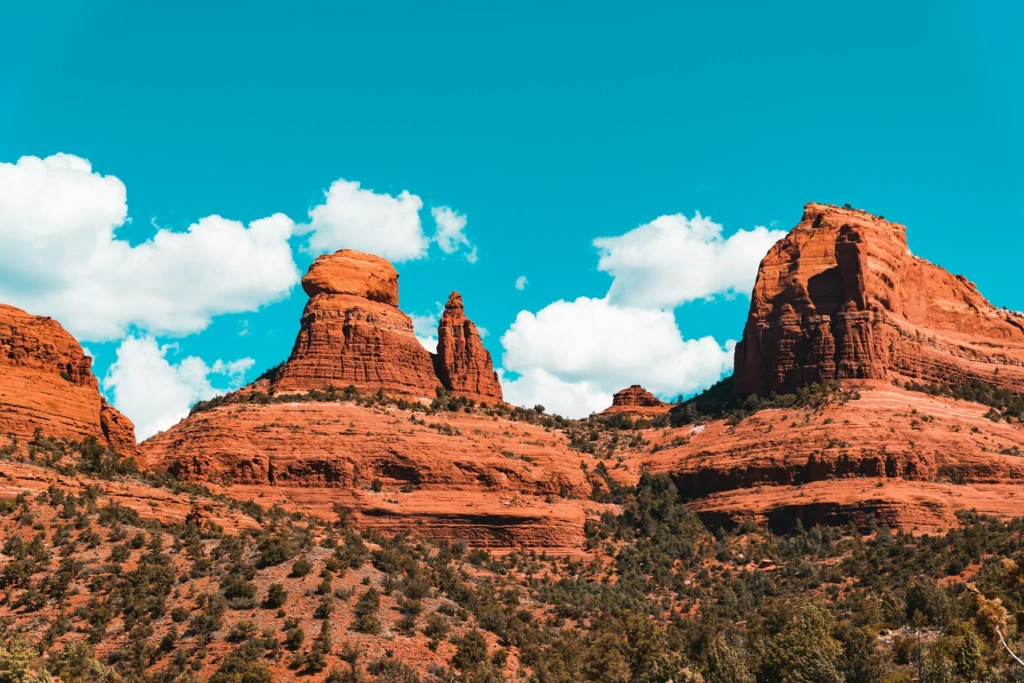
With temperatures usually 10 to 15 degrees lower than Phoenix, Sedona’s 4,500-foot altitudes provides a cooler monsoon experience than the lower desert. because of this, Valley people frequently use it as a vacation during the peak of the summer heat.
Major places in Sedona
- Cathedral Rock
- Bell Rock
- Oak Creek Canyon
- Red Rock Scenic Byway (Highway 179)
- Slide Rock State Park
4 – Flagstaff & High Country

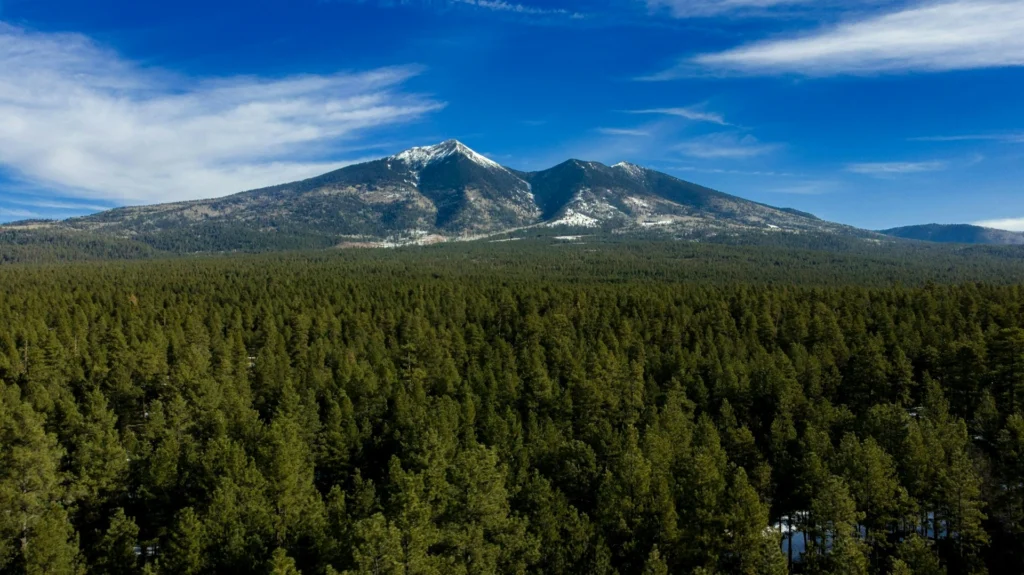
As compared to the lower deserts, Flagstaff’s monsoon is very different above 7,000 feet. Even in the summer, the temperature rarely rises beyond 80°F, making it a great place to escape the heat. Here, monsoon storms are more common, and the after-storm smell of pine air is lovely.
Major places in Flagstaff & High Country
- San Francisco Peaks
- Humphreys Peak (12,633 ft)
- Mogollon Rim
- Walnut Canyon National Monument
- Sunset Crater Volcano National Monument
5 – White Mountains
With lower temperatures and amazing views, the White Mountains in eastern Arizona, which are located around the cities of Pinetop-Lakeside and Show Low, provide a family-friendly monsoon experience.
Major spots in white mountains
- Pinetop-Lakeside
- Show Low
- Alpine
New Mexico
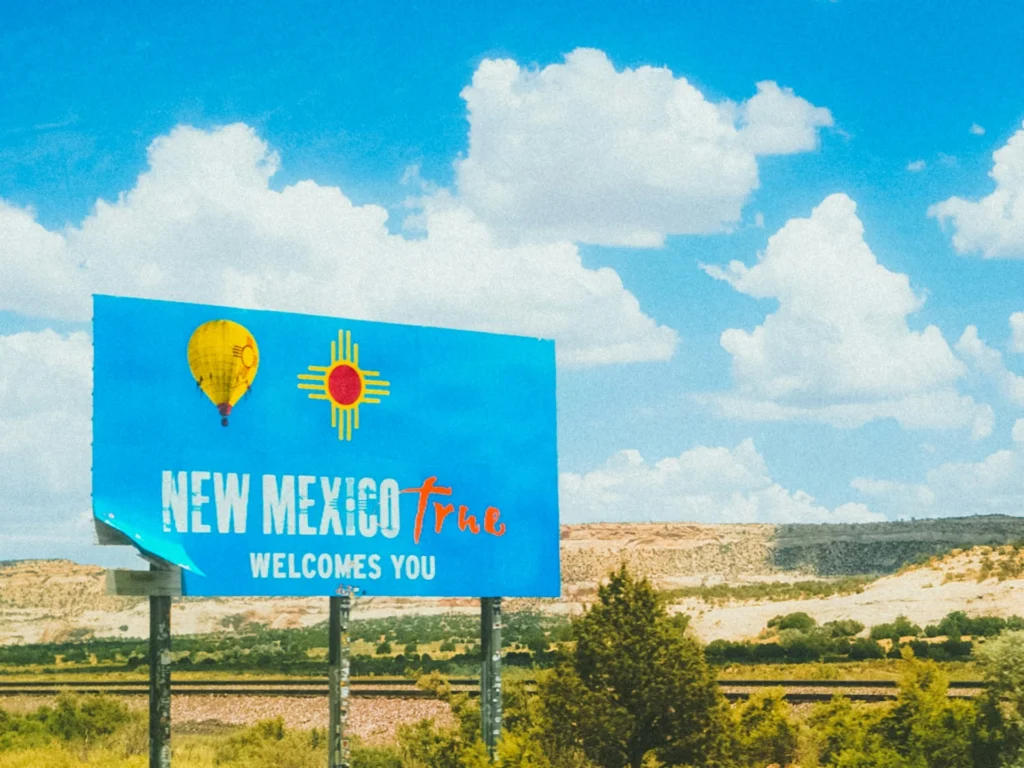
While New Mexico’s monsoon experience is similarly breathtaking, it has a unique flavor because to its higher mountains, classic architecture, and rich heritage in culture.
6 – Santa Fe
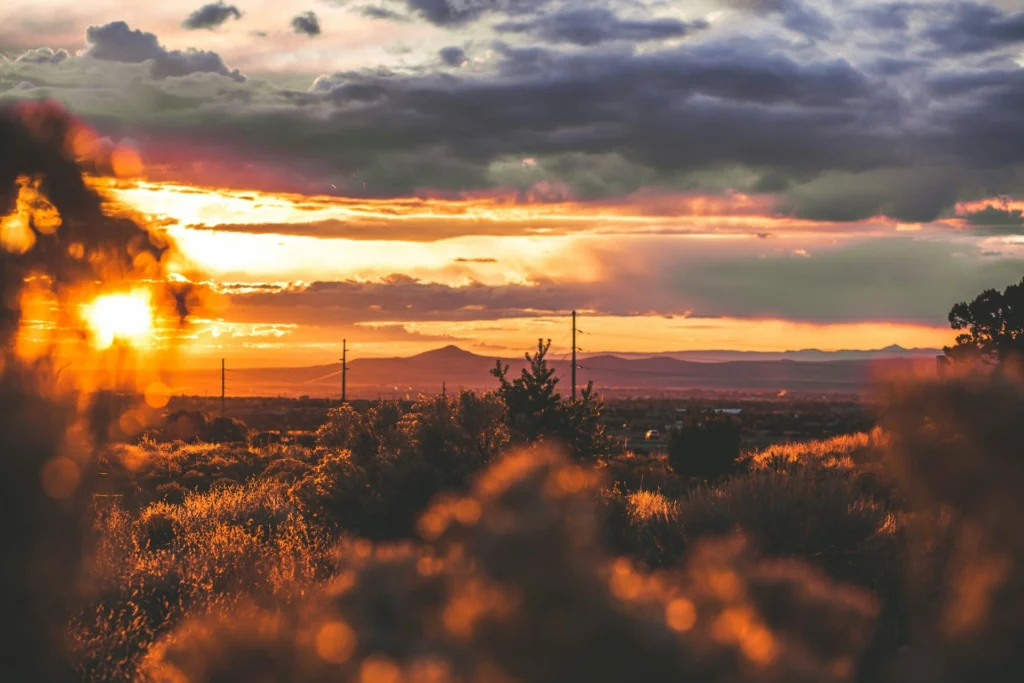
At 7,000 feet, Santa Fe may be one of the most beautiful spots in the Southwest to enjoy the monsoon. Scenes that like paintings come to life are created by mixing together of traditional brick buildings, a mountain background and fantastic sky.
Major spots in Santa Fe
- Santa Fe Plaza
- Canyon Road (Art Gallery District)
- Sangre de Cristo Mountains
- Palace of the Governors
- The Railyard District
7 – Albuquerque

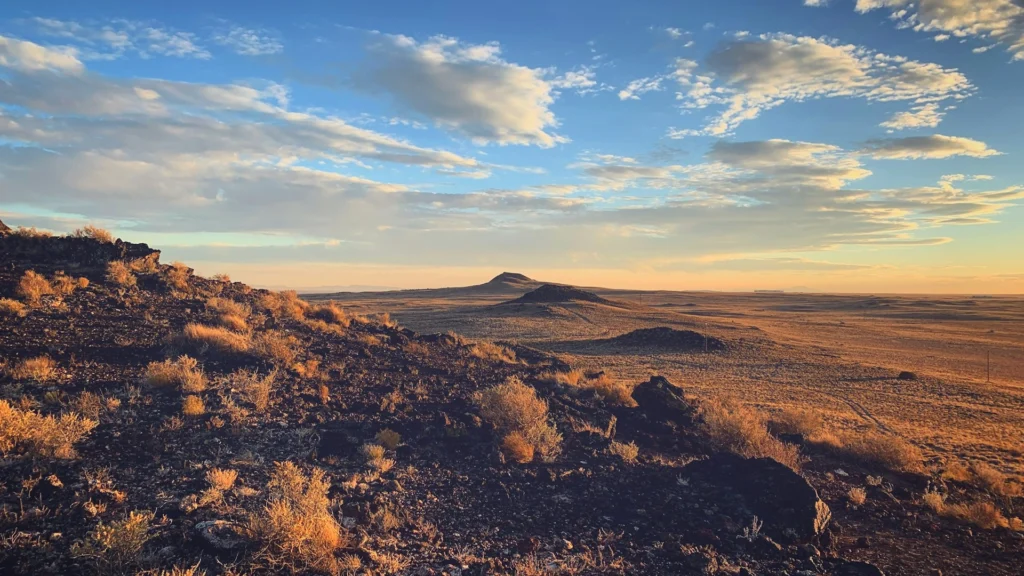
At a height of around 5,000 feet in the Rio Grande Valley, Albuquerque is surrounded by mountains that help with the formation of monsoon storms. Especially memorable to thunderstorms are the Sandia Mountains to the east.
Major spots in Albuquerque
- Sandia Peak Tramway
- Sandia Mountains
- Petroglyph National Monument
- Rio Grande Bosque
- Old Town Albuquerque
8 – Bandelier National Monument
Ancient Pueblo homes built out of volcanic tuff cliffs are secured at Bandelier National Monument, which is about an hour’s drive from both Santa Fe and Los Albuquerque. This location becomes very unique during the monsoon season.
Major spots in Bandelier National Monument
- Ancient cliff dwellings
- Frijoles Creek
- Volcanic tuff formations
- Main Loop Trail (1.2 miles)
- Petroglyphs
9 – Kasha-Katuwe Tent Rocks
The amazing conical rock formations in Kasha-Katuwe Tent Rocks National Monument, located between Santa Fe and Albuquerque, like supernatural structures. These structures are even more beautiful during the monsoon season.
Major spots in Kasha-Katuwe Tent Rocks
- Cone-shaped tent rock formations
- Slot Canyon Trail (3 miles round trip)
- Narrow canyon passages
10 – Silver City & Gila Region

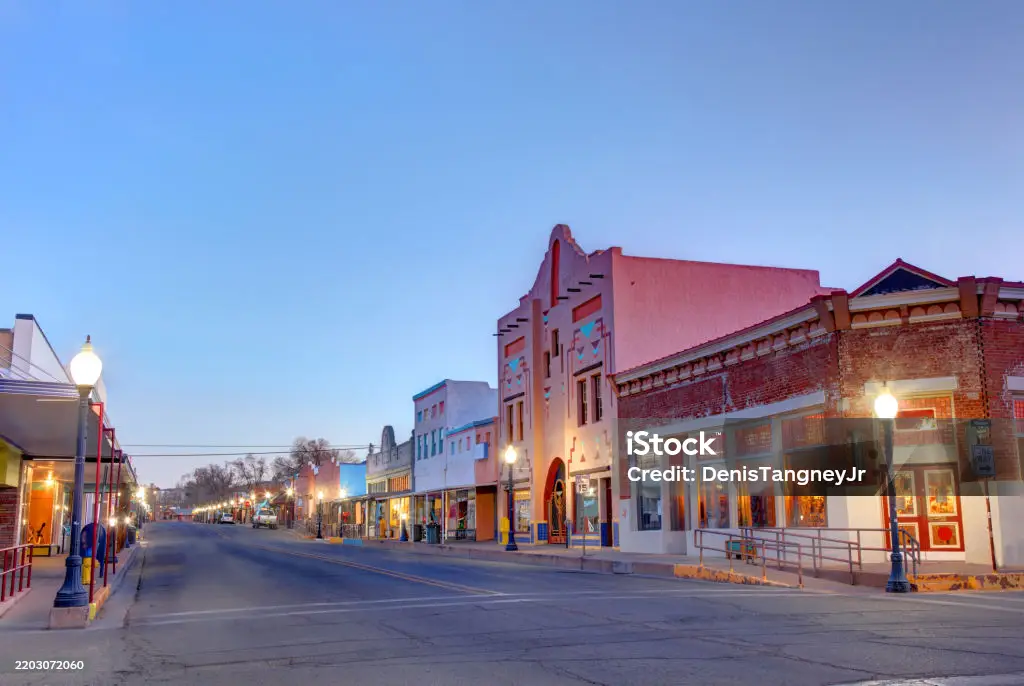
Silver City and the nearby Gila National Forest in southwest New Mexico provide private, wild monsoon experiences away from people.
There is a lot of monsoon activity in this high desert mountain area. In direct opposition to the colorless landscape of May and June, the Gila Wilderness America’s first officially protected wild area becomes extremely green during the monsoon.
Destinations by High Altitudes
| High Elevation (Cool Monsoon – 7,000+ ft) | Mid Elevation (Moderate – 4,000-7,000 ft) | Low Elevation (Hot Desert – Below 4,000 ft) |
|---|---|---|
| Flagstaff | Sedona | Phoenix |
| Santa Fe | Albuquerque | Tucson |
| White Mountains (Alpine) | Bandelier | Scottsdale |
| Silver City area | Tent Rocks |
Destinations by Experiences
| Breathtaking Storms | Photography | Families |
|---|---|---|
| Tucson | Sedona (red rocks + storms) | White Mountains |
| Phoenix | Monument Valley | Flagstaff |
| Silver City | Saguaro National Park | Albuquerque |
| Luxury Experience | Intense Storms | Coolest Temperatures |
|---|---|---|
| Sedona resorts | Tucson | Flagstaff |
| Santa Fe historic inns | White Mountains | White Mountains |
| Scottsdale resorts | Mogollon Rim | Santa Fe |
What are essential monsoon safety?
Monsoon storms are beautiful but can be dangerous. here’s what you need to know to stay safe:
Flash Flooding
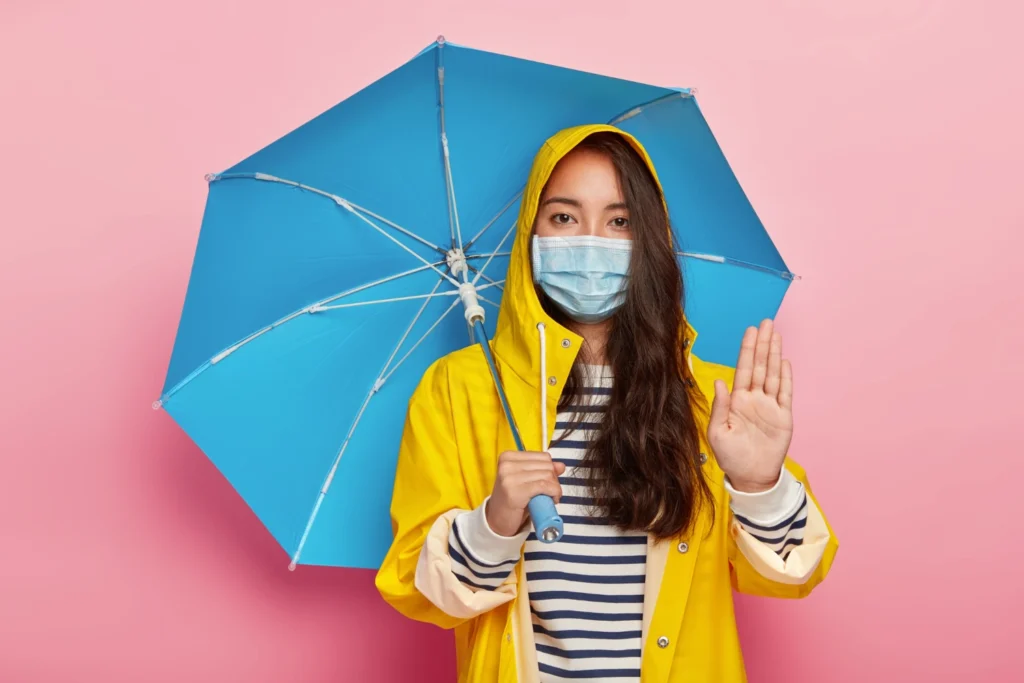
In the Southwest, flash floods are more dangerous than lightning. Because desert soil cannot quickly absorb heavy rainfall, water runs off quickly, flooding rivers and typically dry washes in a matter of minutes. you should avoid tight slot tunnels during storm threats, never try to cross flooded roads (even 6 inches of water might take you away), and never camp or park in dry washes. If you overlook flood warnings, Arizona’s “Stupid Motorist Law” allows authorities to charge you for rescue expenses.
Lightning Safety
Arizona is one of the states with the highest number of lightning- related injuries. Go indoors as soon as you hear thundering. When a storm is approaching, stop engaging in water sports, keep away from open spaces and high objects, and if you find yourself outside without a place to cover, sit low and stand upright rather than lying down. Remember that you are in near enough contact to be harmed if you can hear thunder.
Dust Storms (Haboobs)
You should pull totally off the road, turn off all lights (other cars may follow your lights and strike you), put your car in park, use the parking brake, and wait it out if you see a wall of dust coming. Don’t stop on the road. In a matter of seconds, dust storms may completely reduce visibility.
Hiking Safety during Monsoon
In order to avoid afternoon storms, you can begin walks early (by 6-7 AM), turn around at the first sign of storm formation, stay away from exposed peaks and ridge lines when storms are coming, and bring rain gear even in clear skies. See how to read cloud development: huge cumulus clouds that are rising vertically in the afternoon indicate potential storms.
Best Time to visit for Monsoon Experience in USA


June (Early Monsoon)
Although it officially begins on June 15, major rains often haven’t started yet. The hottest and driest time of year is beneficial for pre-monsoon rates but not the best for monsoon lovers. before the earth gets soaked by rain, dust storms are more likely.
July (Prime Time)
The monsoon season reaches its peak. storm activity is usually strongest from mid-July to the end of the month. Even if the temperature is still high, afternoon storms help to reduce it. people feel very happy at this point since the monsoon has actually “arrived.” Prepare for strong storms, somewhat cool afternoons, and a quick transformation of the desert.
August (Most Reliable)
In Arizona and New Mexico, it is often the most rainy month. Storms are the most regular and reliable. Wildflowers are blooming, the population of animals is at its most active, and the environment is at its most green. If you especially want to see monsoon storms, this is the right month. The number of tourists is moderate, more than during actual summer but lower than during the winter busy season.
September (Late Monsoon)
Excellent storm activity can still occur in early September, although the frequency begins to fall. The monsoon usually ends around mid-to-late September. The primary benefit is that although temperatures are beginning to decline, storms still happen. With rare strong storms, this may be a great place to enjoy nice weather.
Best monsoon friendly accommodations in Southwest
1 – Tucson
- White Stallion Ranch
- Hacienda del Sol Guest Ranch Resort
- JW Marriott Starr Pass Resort
2 – Phoenix/Scottsdale
- The Phoenician
- Four Seasons Resort Scottsdale
- The Wigwam
3 – Sedona
- Enchantment Resort
- L’Auberge de Sedona
- Sky Rock Inn of Sedona
4 – Flagstaff
- Little America Hotel
- Drury Inn & Suites
- Historic Hotel Monte Vista
5 – Santa Fe
- La Fonda on the Plaza
- Bishop’s Lodge
- Inn of the Governors
6 – Albuquerque
- Hotel Albuquerque at Old Town
- Los Poblanos Historic Inn
- Sandia Resort & Casino
What to Pack for Southwest Monsoon Travel
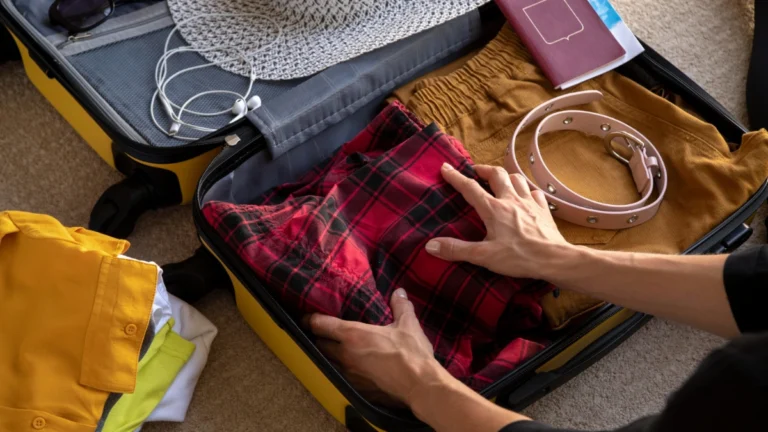
As some people start packing before travelling that will be confusing in packing like which things are essential and which things are not need much so created list of things under different categories.
Clothing

- Light, breathable clothes for hot days (shorts, t-shirts, sundresses)
- Light rain jacket or poncho (quick afternoon storms)
- Layers for mountain elevations (Flagstaff, Santa Fe can be cool)
- Comfortable walking shoes with good tread (surfaces get slippery when wet)
- Sun hat and sunglasses (still very sunny between storms)
- Swimsuit (resort pools are wonderful during breaks in weather)
If you are confused about what things are required to pack in bag during monsoon then i have create list of essential things to bring in monsoon travel, Read here
Photography Gear

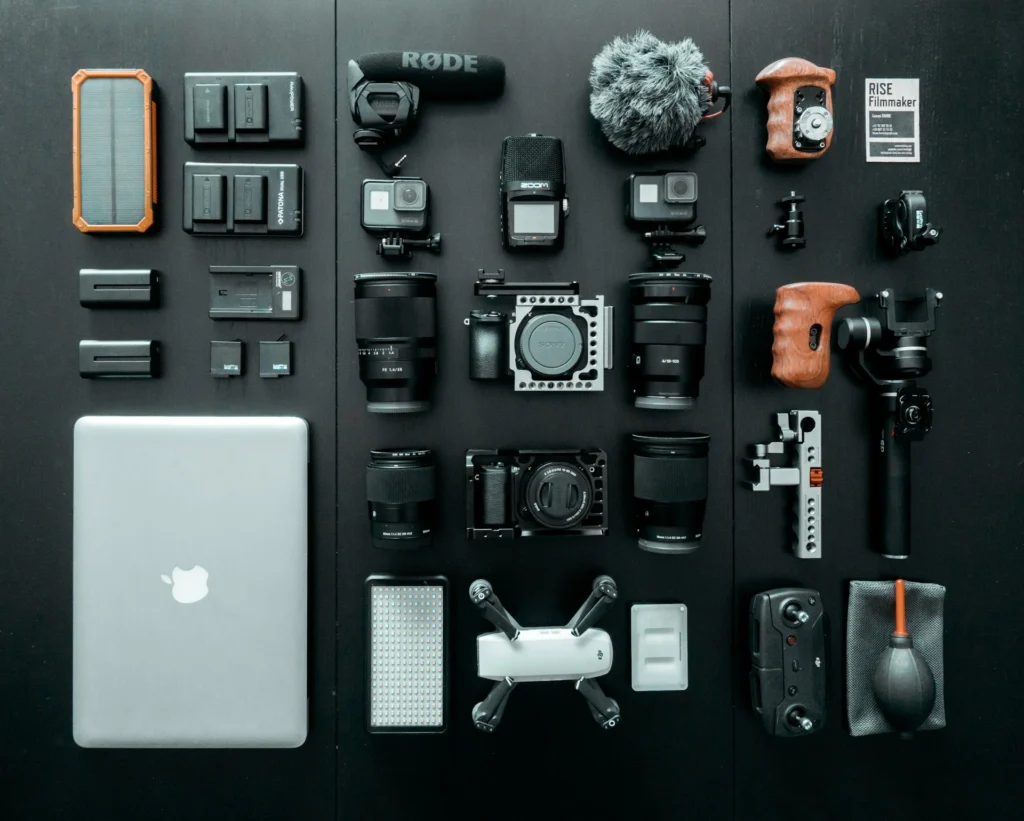
- Camera rain cover or plastic bags
- Microfiber cloths for wiping lenses
- Tripod for lightning photography (from safe, covered locations)
- Wide-angle lens for dramatic cloud shots
- Extra memory cards and batteries
Safety & Convenience
- Sunscreen (SPF 30+) – sun is intense at levels
- Insect repellent (mosquitoes increase after rains)
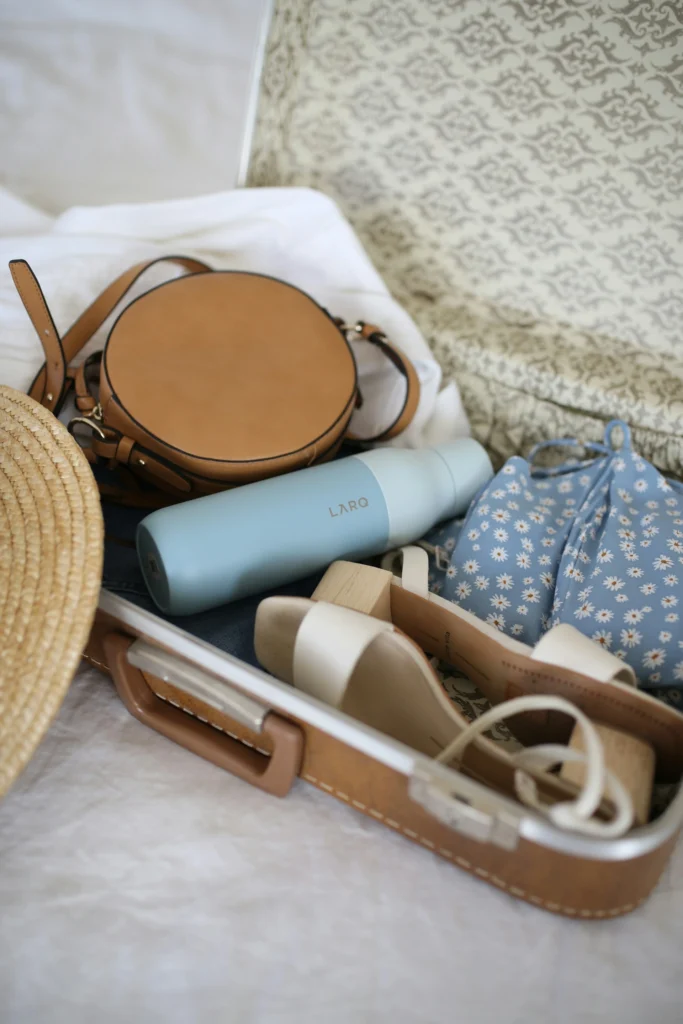
- Reusable water bottle (stay hydrated despite cooler temperatures)
- Portable phone charger
- Weather radio or weather app with alerts enabled
- Basic first aid kit
- Flashlight or headlamp (monsoon storms can cause power outages)
Car Essentials
- Emergency kit with water, snacks, blanket
- Printed maps (GPS/phone may not work in remote areas)
- Jumper cables and basic tools
- Extra phone charger for car
- Plastic bags to protect gear if you get caught in rain

What is a haboob and are they dangerous?
A haboob is a huge dust storm that may travel at over 30 mph and reach heights of over 1,000 feet, totally block sight. When someone approaches while you’re driving, stop entirely off the road, switch off all lights, put your car in park using the parking brake, and wait it out. Prevent stopping on the road.
How much rain does the Southwest monsoon bring?
During the 3-month monsoon season (June–September), Arizona and New Mexico get more than half of their yearly rainfall. During the monsoon, Tucson often receives 6 inches, Phoenix receives 2–3 inches, and higher altitudes (Flagstaff, White Mountains) may receive 8–10 inches. Storms are powerful yet temporary.
Can I photograph monsoon storms safely?
Yes! you can take pictures from cars, covered porches, or inside buildings. For indoor lightning, use long exposures (10–30 seconds) on a tripod. Amazing light is available during the golden hour before and after storms. when there is active lightning, never stand outside on a metal tripod.