I’ve been around India during the monsoon season enough to know that asking someone “which region has better monsoon” is like to asking them to choose their favorite child. while both North and South India see amazing changes during the rainy season, they provide very different experiences.

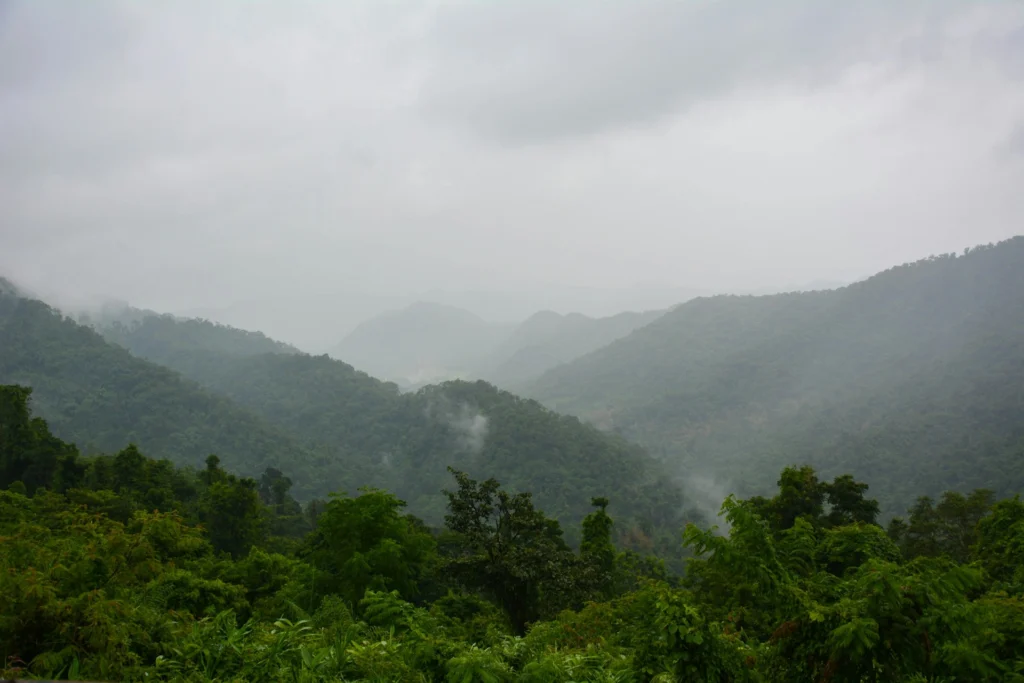
Then what is real? The answer is not universal. what counts is the type of monsoon experience you want. would you want to see spectacular thunderstorms moving across mountains? Go north. would you rather have constant, vibrant green rain? Your name is being called by South India.
I can tell you exactly what makes each area unique, what irritates visitors, and which would be best for your next rainy season journey because I have been through both throughout several monsoon seasons. I’ll be honest and not try to prove to you that one is better to the other.
- When monsoon actually comes in North & South India?
- What are common rain patterns & intensity for both side?
- What will be temperature & humidity differences on both south & north india during monsoon?
- Which are best Landscapes and Scenery in both regions?
- How is Food and Cultural Experiences on both regions
- What are Tourist Crowds and Costs in Both South & North India
- Best activities & things to do during monsoon
- Which one should you choose – South or North India?
- Frequently Asked Questions
When monsoon actually comes in North & South India?
The timing is important, as the monsoon seasons in North and South India are very different.
The first country affected is South India. around June 1st, give or take a few days, Kerala sees the start of the southwest monsoon. through June and July, it rains Karnataka, Goa, and Maharashtra as it moves along the western coast. In all honesty, the rain is secure, consistent, and predictable. you may make travel plans knowing that the monsoon season will be good.

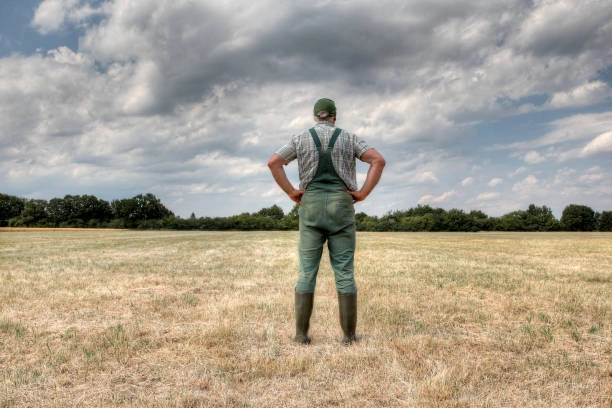
North India is waiting for its time. The monsoon comes in late June or early July in Delhi, Rajasthan, Uttarakhand, and Himachal Pradesh. The randomness of the northern monsoon, however, is what drives planners insane. there are years with amazing rainfall. Other years? A disappointing rain that hardly qualifies as monsoon. You’re taking a small chance on timing.
Additionally, the monsoon goes in another manner. Although coastal regions may see irregular rains throughout October, South India’s rainfall decreases after September. The monsoon in North India usually ends by September as well, although it does so more suddenly and quickly.
South India shines in dependability if you’re looking for a sure monsoon experience. However, North India keeps things interesting if you like the feeling of surprise and don’t mind taking a chance.
What are common rain patterns & intensity for both side?
The two areas have quite separate styles, and how it rains is just as important as when it does.
Rainfall in South India is constant and regular. It rained nearly every day when I was at Munnar during the height of the monsoon. Regular afternoon rains, but not continuous showers. It would be cold and cloudy in the morning. clouds would move in by midday. It rained for a few hours in the afternoon. The evening became sufficiently clear to go outside. following day? The same pattern. you may use it to set your watch.
There are advantages and disadvantages to this similarity. You can schedule your activities for the rain. Hikes in the morning are really effective. Afternoon hours are ideal for indoor activities. However, following the same routine every day might get a little boring if you’re looking for variation.
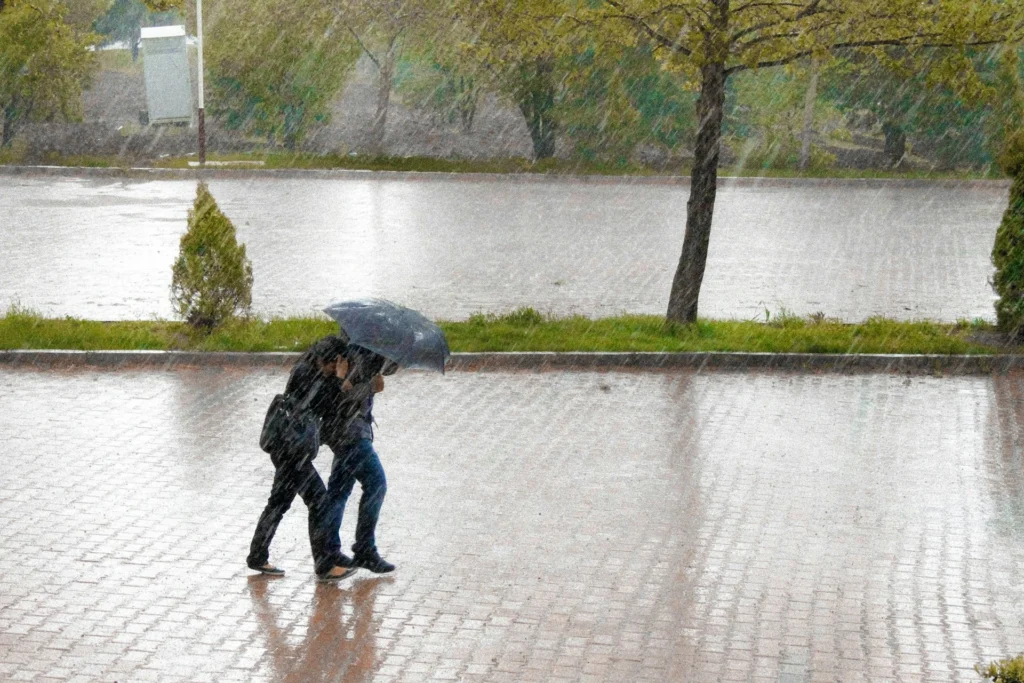
North India has an entirely different plan. here, the monsoon arrives in spurts. There might be a week of sunlight after three days of powerful, amazing thunderstorms. Rainfall is frequently beautiful. entire valleys can be seen by lightning displays. Mountains vibrate with thunder. It’s raining so much that it sounds like beats on your roof.
I have experienced monsoon storms in North India that were nearly violent. In just a couple of minutes, streets flood. Even with an umbrella, you get fully soaked. however, as it clears and the sun appears, you start to question whether it really happened.
The monsoon season in North India is fantastic for photographers and drama fans. Those storm clouds moving across the sides of the Himalayas? Absolutely beautiful. South India’s routine is more pleasant for those who would rather know what each day would bring.
What will be temperature & humidity differences on both south & north india during monsoon?
Temperature and humidity play a major role in comfort during the monsoon, and again, there are variations among regions.
During the monsoon, South India remains warm. Most regions have temperatures between 25 and 30 ° Celsius. It feels hot and sticky due to high humidity caused by continuous rain. You never get your clothing totally dry. Everyday life starts to feel wet. In order to sleep comfortably, air conditioning becomes more than simply something extra.
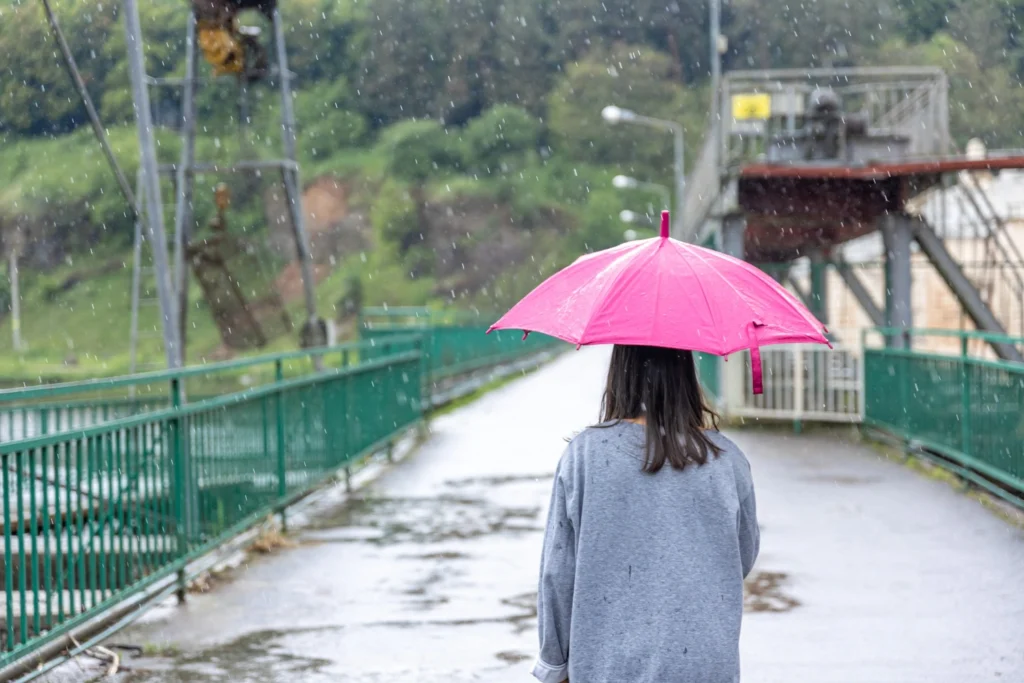
Comfort is available at South Indian hill stations like Munnar, Coorg, and Wayanad. There, the lovely temperature drops to 18 to 22 degrees. Even while the humidity is still too high, the colder air makes it much more comfortable. For good reason, these locations become quite popular during the monsoon.
During the monsoon, the plains of North India experience heat and humidity as well, but to a little lesser degree than in the south. most people of Delhi deal with rather than enjoy the sticky, hot weather put on by the monsoon. But when you go to the mountains, everything is different.
In terms of temperature, Himalayan regions are good during the monsoon. Locations like Manali, Shimla, and Dharamshala see rain and temperatures between 15 and 20 °. Enough cool for sweaters. fresh air from the mountains. you want to stay outside in spite of the rain because of the fresh, clean smell that follows a rainstorm. because of the elevation, the humidity is also lower.
The hill regions of North India are great if you like humidity and sticky weather. The lowlands of South India are ideal if you don’t mind heat and are ok with humid weather, and the hill stations nearby also provide nice vacations.
Which are best Landscapes and Scenery in both regions?
During the monsoon, these areas become amazingly green, yet the actual landscapes are very different.
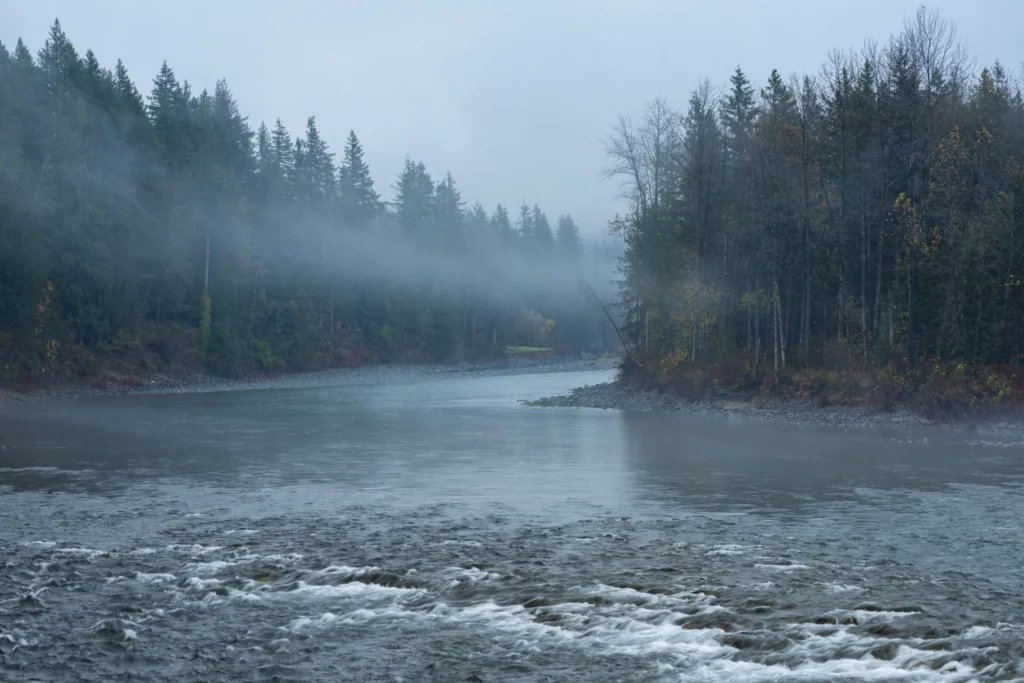
Beautiful tropical beauty is the focal point of South India’s monsoon landscapes. Western Ghats become a natural wonderland. Munnar’s tea farms appear to have been painted in every possible shade of green. When water fills rice fields, it forms mirror-like surfaces that reflect clouds. Rain makes coconut trees to swing. everything expands quickly and strongly.
South India’s monsoon highlights include waterfalls. There looks to be a waterfall on every hill. Some, like Jog Falls and Athirapally, are popular and easily accessible. Others are hiding and only show up during the monsoon season. The amount of water that falls is incredible, and the mist they produce improves the atmosphere.

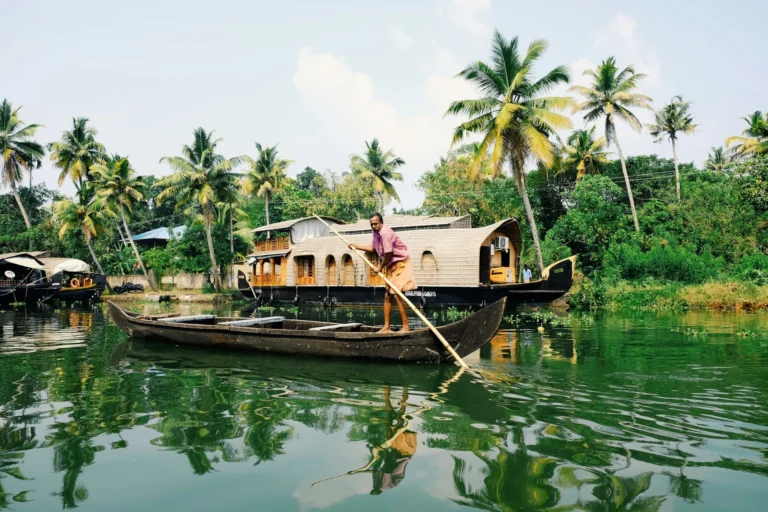
During the monsoon, Kerala’s backwaters also acquire a unique personality. Patterns are created as rain falls over still water. The air has a clean, fresh smell. you may take in the area without crowds when tourism drops.
During the monsoon, North India provides beautiful mountain views. Himachal Pradesh and Uttarakhand go through a major shift. In summer, valleys that look dry and brown suddenly turn green. Wildflowers grow in mountain meadows. Rain and snowmelt cause rivers to rise, producing strong white water.
In the north, the scale feels different. The huge peaks of the Himalayas have vanished under the monsoon clouds. Terraced farms climb extremely upward slopes. rolling fog in the pine woodlands. In some way, everything looks larger and more dramatic.
How is Food and Cultural Experiences on both regions
In all areas, the monsoon season offers unique food and cultural celebrations while certain elements change.

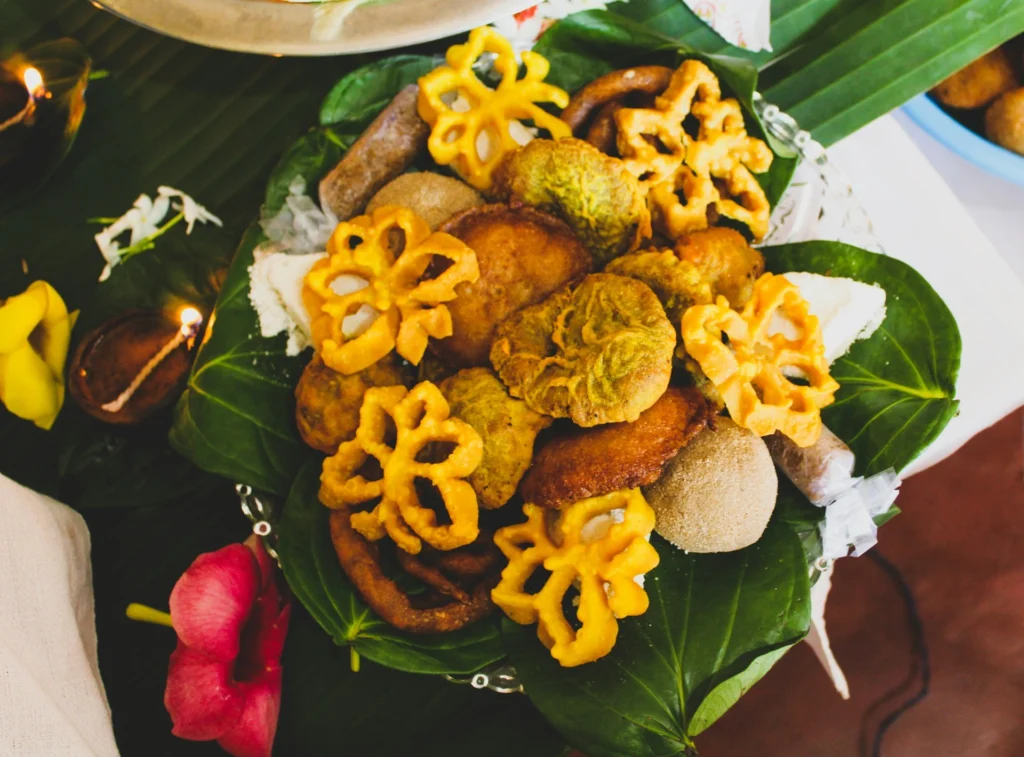
Monsoon foods are a huge favorite in South India. Every area has its own tastes. In Kerala, hot tea comes with one of the spicy lentils doughnuts called parippu vada or banana fritters. Karnataka provides boiling hot filter coffee and crunchy bonda. Bajji, which are fried vegetables in a chickpea batter and go well with coconut chutney, are available in Tamil Nadu.
Hot drinks and fried foods consumed while watching the rain are important to the southern monsoon food tradition. Families gather on covered porches to eat pakoras, drink coffee or chai, and chat. It’s low back and social.

Additionally, seafood is the main attraction. some fish species are at their peak during the monsoon. Kerala and coastal Karnataka celebrate this with unique fish dishes. the whole feeling of eating fresh, hot fish gets improved by the rain.
Heartier recipes are at the core of North India’s monsoon food habits. In the Himalayan areas, momos and hot soup grow popularity. Corn is cooked over coals at roadside sellers. Sweet and spicy chutneys go well with samosas and pakoras.
Despite the doubtful practicality of eating street food when maintaining hygiene is more difficult, Delhi and other North Indian cities go crazy for chaat during the monsoon. for many, the joy of enjoying golgappa or papdi chaat under light rain goes above practical issues.
What are Tourist Crowds and Costs in Both South & North India
The effects of the monsoon season on travel and costs changes extremely by location.
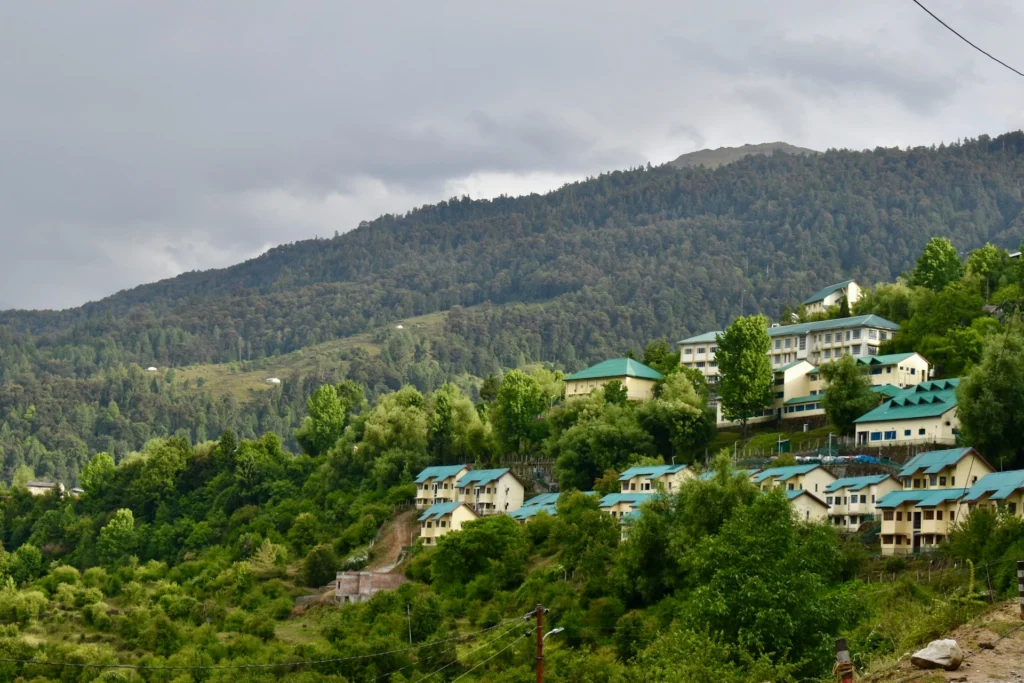
During the monsoon, South India experiences a variety of tourism trends. Kerala and Karnataka’s hill stations actually get busier because people avoid humid cities for cooler mountains. Coorg, Munnar, Wayanad fill up with domestic tourists during weekends and holidays. Make reservations in advance for hotels at these locations.
Coastal areas slow down dramatically. There are far fewer people to coastal Karnataka or Goa. For those who don’t mind rain, this offers fantastic options. Hotels drastically reduce their rates. Better rooms are available for less money. When the weather clears, beaches are almost completely empty.
During the monsoon, travel to North India decreases more gradually. Even well-known hill towns like Manali and Shimla see less tourists. People are worried about road closures and landslides. For those who are ready to take a chance, this means cheaper hotel rates and less crowded venues.
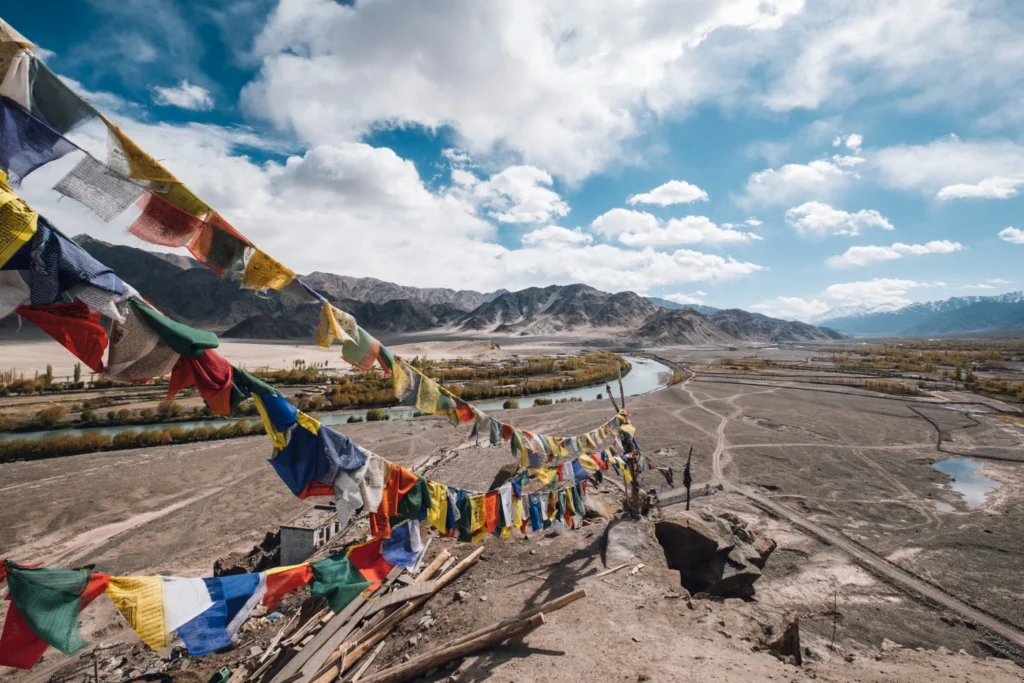
During the monsoon, tourism in Rajasthan almost ends. Desert cities empty out as temperatures stay hot and rain makes tourism painful. huge savings are offered by hotels. Famous locations like the Amber Fort in Jaipur are close without having to deal with crowds. Handling rain and heat at the same time is a choice.
The hill stations in South India don’t provide major savings if you’re looking for deals and don’t mind crowds during peak hours. Overall, North India offers better monsoon discounts if you’re looking for fantastic deals and free spaces.
Best activities & things to do during monsoon
There are major regional differences in what you can really do during the monsoon.
South India’s monsoon activities depend upon waterfalls, plantations, and indoor experiences. Every state has beautiful waterfalls to explore. The monsoon season is when Kerala’s Athirapally and Vazhachal, Karnataka’s Jog Falls, and Tamil Nadu’s many falls are at their most beautiful. When compared to previous seasons, the power and volume are amazing.

Tea and coffee plantation trips work nicely during monsoon. The variety of plant life is made better by the rain. In bad weather, several farms provide tours of their main processing facilities. It’s really peaceful to sit in a plantation house and watch the rain while drinking fresh tea or coffee.
During the monsoon, visiting a spa and Ayurvedic treatments are usually suggested. Special monsoon wellness programs are available at several resorts. It’s said that the humid weather improves the efficiency of treatments, however I think this may be misleading advertising. In any case, getting a massage on rainy afternoons is a great way to kill time.
Kerala’s backwater tours continue throughout the monsoon season, but with fewer boats and more affordable prices. Instead of taking away from the experience, the rain improves the mood. don’t expect to relax on the deck just pack rain gear. 😜
North India’s monsoon activities are moving toward hiking and outdoor trips, however with weather limits. The hikes that are available during the monsoon season are beautiful. Only during the monsoon season does Uttarakhand’s Valley of Flowers come to life. It’s beautiful, but you have to cope with muddy paths and insects.
River rafting grows during monsoon when rivers flood with rainfall. Exciting rapids may be found in the Ganges in Rishikesh, but as water levels rise, safety becomes more of a risk.
Which one should you choose – South or North India?
After all of this comparison, the choice ultimately boils down to your own needs.
If you want continuous, consistent monsoon weather, choose South India. South India’s consistent afternoon rainfall pattern is wonderful if you want to organize your activities with safety and know what each day will bring.
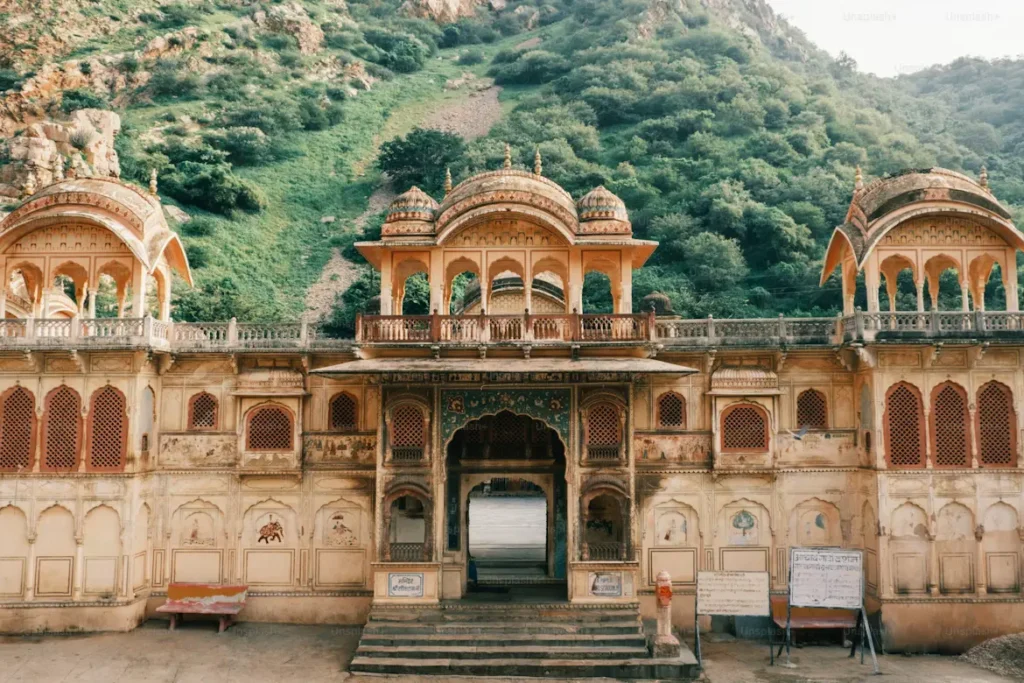
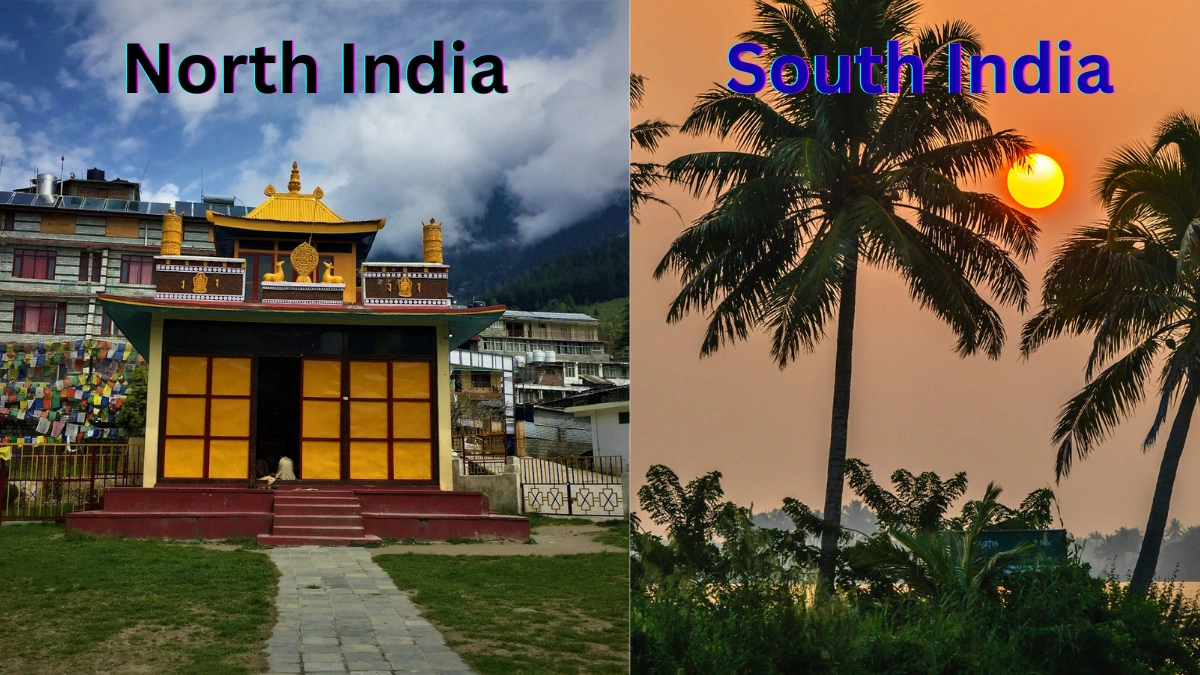
North India
The tea farms and green tropical landscape are beautiful. In hill stations, the temperature is acceptable. Travel infrastructure is less affected during the monsoon.
For those who like slower rates, South India is good. Watching rain from a plantation home. drinking tea or coffee. going to waterfalls. having spa services. On rainy afternoons, reading novels. Get tickets to Kerala or Karnataka if this sounds interesting to you.
If you enjoy mountains and extreme weather, go to North India. During the monsoon, the Himalayan landscape is breathtaking. over the highest points, storm clouds roll. Wildflower-filled valleys. that fresh mountain air following the rain. Some people find it more thrilling than the tropical monsoon.

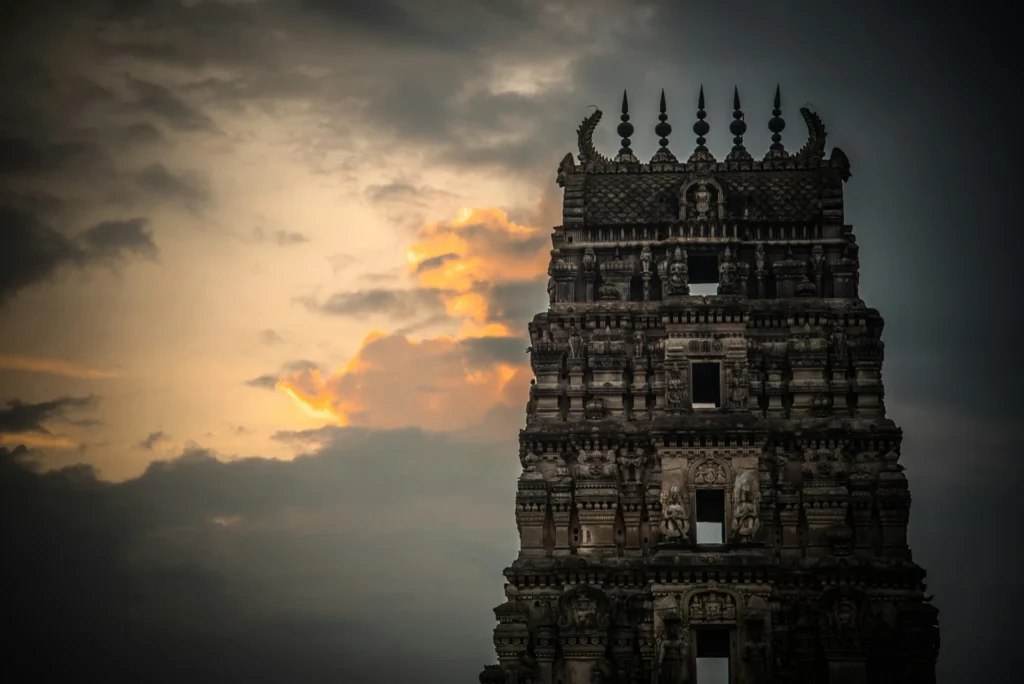
South India
Travelers who are daring and able to deal with unpredictable situations may find North India attractive. Your plans may be affected by road repairs. On certain days, the weather may not cooperate. But when everything comes together, those mountain monsoon experiences are amazing. There will be less people and better discounts.
Think about how comfortable you are with humidity and heat. South India stays warmer with greater humidity. some people find the lower temperatures found in the higher regions of North India to be more comfortable. Northern mountain locations may be attractive to you if you hate being hot and humid.
Budget is also important. During the monsoon, both areas provide good deals, but North India’s prices decrease quicker. North India offers better value during the rainy season if you’re looking to get the most for your money.
You really can’t go wrong with either option. during the monsoon, both areas are beautiful. Both provide unique memories that you can’t get anyplace else or at any other time of year. Simply said, the “better” monsoon is the one that fits your travel preferences, comfort level, and desired experiences.
Frequently Asked Questions
Which region gets more rainfall during monsoon season?
During the monsoon, South India receives more rainfall often. Some of India’s wettest regions are created by the Western Ghats, which absorb water from the Arabian Sea. during the monsoon season, coastal Kerala and Karnataka receive 2500–3500 mm of rain. The average for North India is between 800 and 1200 mm. However, the rain in South India travels far and wide throughout the season, whereas the rain in North India comes in shorter, more powerful days.
Is it safe to travel during monsoon in North or South India?
With the right safety measures, both areas are normally safe. Travel is more predictable in South India due to improved road infrastructure and fewer landslides. North India’s Himalayan areas deal with regular landslides that can stop traffic for days. you should keep flexible plans, avoid traveling during excessive rainfall warnings, and check weather predictions every day. Some South Indian towns are affected by coastal floods, and mountainous regions in the north have accessibility problems.
Which region has better weather for sightseeing during monsoon?
The weather patterns in South India are more predictable. Sightseeing is normally possible in the morning, however it might rain in the afternoon. You can plan your everyday activities so they align with when it will rain. the weather in North India is unpredictable. There may be days of constant rain or bright days ideal for sightseeing. Northern mountain regions remain more pleasant and colder. If you want dependability, go with South India; if you are okay with volatility, go with North India.