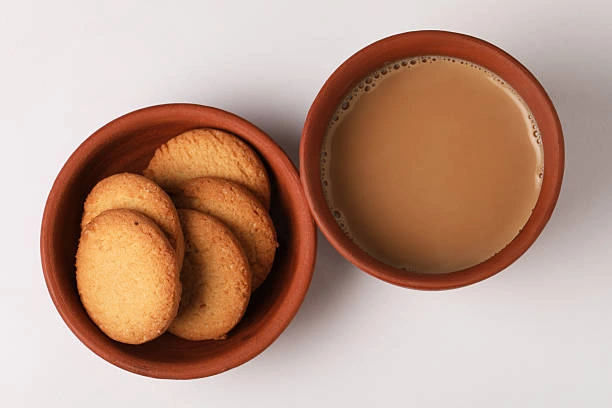
I opened a brand-new pack of biscuits on Monday of last monsoon, and by Wednesday, they were already bending rather than snapping. The only thing that had changed was the season as it was the same brand and shelf that I had been purchasing for years. as a result, i began to pay more attention to how I was storing things, and after i made that adjustment, the issue essentially disappeared.

This really boils down to that. It’s the air around them, not the biscuits. once you realize that, there are easy fixes that don’t cost much or require more than a few minutes.
Here’s what I’ll walk you through:
- Why biscuits and snacks go soft specifically during monsoon, and not the rest of the year
- What you actually need to keep them crisp (most of it you already own)
- The exact steps i follow now, every single time
- What to do if a pack has already gone soft on you
- A few habits that keep this from becoming a repeat problem every July
Why snacks go soft during monsoon?
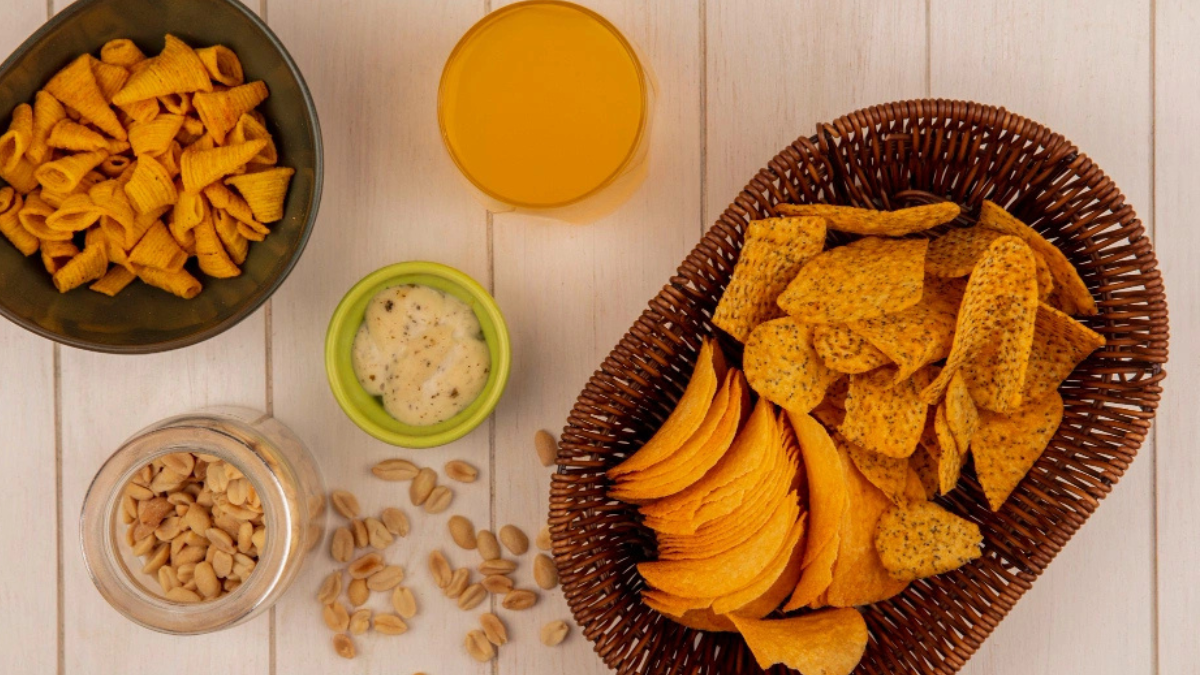
Snacks like biscuits, chips, and namkeen lose their crunch because they absorb moisture from the air, not because they have spoiled. since these foods are naturally dry and full of tiny pockets, they act like a sponge and automatically soak up humidity from their surroundings.

For most of the year, kitchen air is dry enough that humidity isn’t an issue. however, when the monsoon season arrives and humidity levels soar to 80% or more across many Indian cities, that excess moisture gets trapped and settles directly onto whatever you leave on your countertops.
Read: If you are putting snacks and want to solve this problem regarding how to get rid of damp smell in wooden cupboards
That is exactly why snacks stay crunchy for weeks in the spring but turn stale in just a few days during summer, even if the bag stays sealed. you aren’t doing anything wrong. summer humidity is the real issue, so solving the problem is just a matter of controlling the moisture in the air rather than changing your snacking habits.
What you’ll need?
Nothing on this list should be new to you, and chances are you already have most of it at home:

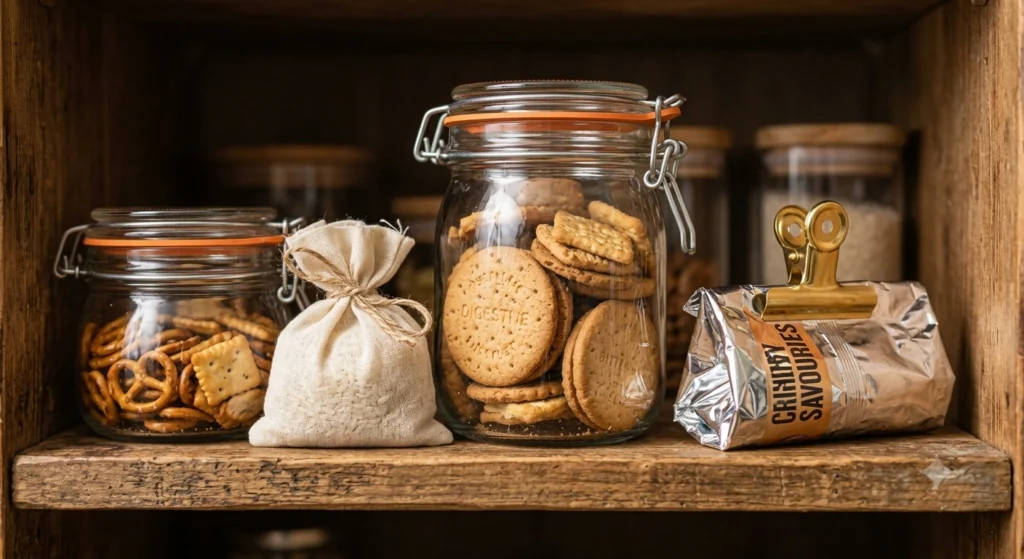
- Airtight containers or jars with rubber-sealed lids
- Clips or a heat sealer for opened packets
- Silica gel sachets or a few tablespoons of dry rice wrapped in cloth (works as a cheap moisture absorber)
- A dry, cool spot away from the stove, preferably a cabinet rather than an open shelf.
There really isn’t anything else as you don’t need any vacuum sealing equipment or anything ordered specially from the internet, unless you want to make things even more foolproof which I will discuss further as we go on.
Here’s how to keep your snacks crispy
After you have completed the preparation of the fundamentals of this method, the real process takes you hardly more than a few minutes each time you carry some snack home or open the packet. now I perform these same four actions with almost anything I eat, starting from biscuits and bhujia and ending with papad.
Step 1: Seal the pack the moment you open it
Leaving a half-finished pack twisted closed with a rubber band and thinking that was sufficient was my worst error in the past. it wasn’t. Humid air enters a package as soon as it is opened, even for a short while, and an open twist or fold does little to keep it out.
Instead, you should properly clip the pack by using a clip which presses the opening together. or you can use a small heat sealer, if you have one. If this is not possible, fold the top of the pack over at least three times and secure it with tape. The aim is simple is to eliminate any opening for the air to escape.
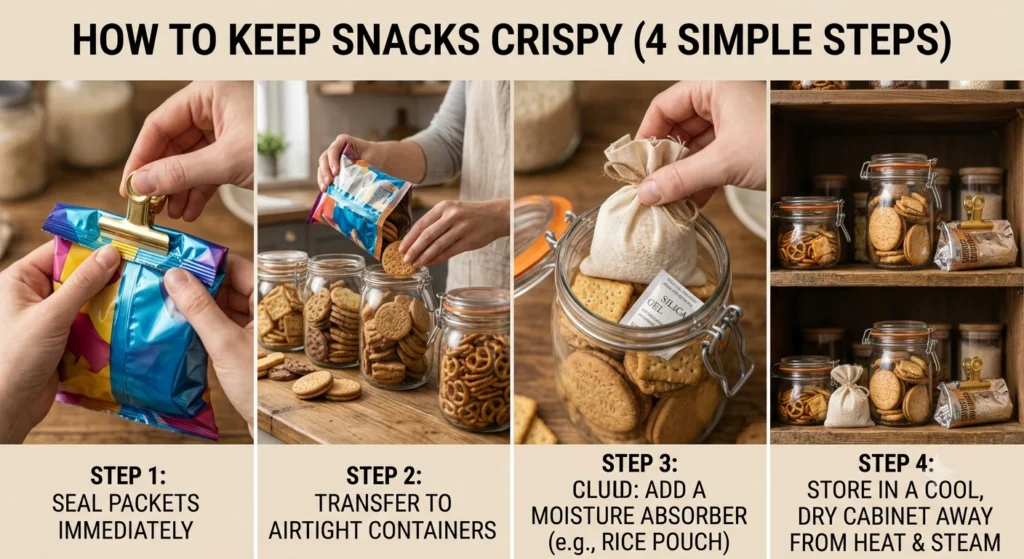
Step 2: Move everything into airtight containers
Although clipping the bag does help in avoiding moisture, it is still not as effective as using a good airtight container, which is what really made the difference for me. Plastic or glass containers with a rubber gasket seal are the most efficient, because it is the rubber ring that prevents humid air.
It is advisable to put biscuits, cookies, and namkeen into these containers immediately after purchasing them instead of waiting for them to become old. once placed inside, the items are insulated from the effects of surrounding moisture, while allowing for easy access to the items without the need to keep opening the containers each time.
Step 3: Add a moisture absorber to the jar
This simple step can go a long way in ensuring that whatever is kept inside retains its crispiness for the longest time possible. all that needs to be done is to put one or two sachets of silica gel, the same kind seen in cardboard boxes of new pairs of shoes or new electronics, inside each container before closing it. If silica gel is not available, then a small cloth bag containing about two tablespoons of dried rice will do the trick since rice is also capable of absorbing moisture from the air.
The sachet or pouch will eventually become absorbed and stop absorbing new substances, so make sure it doesn’t come into direct contact with the food and replace it every few weeks.
Step 4: Store them away from the kitchen heat and steam
The placement of these containers is as crucial as the containers themselves. you should steam from cooking, the hot air coming from the stove, and the vents located outside the refrigerator contribute to the formation of excess moisture in the surrounding space. therefore, instead of leaving the containers uncovered on the working surface near the cooking zone, they should be stored in a closed cupboard, preferably not directly above the stove.
You don’t have to worry about it every day because a cold, dry, safe place takes care of the majority of the remaining tasks.
What to do if your snacks have already gone soft?
There is still a solution, and it works quite well for biscuits and papad in this case, if you’re reading this because a pack has already gone limp.
The soft biscuits should be spread out in a single layer on a plate or baking sheet and baked for roughly 5 minutes at a low temperature or in a pan over low heat for two to three minutes. they may easily turn from soft to burned, so pay special attention to them. biscuits really feel soft straight out of the oven and only truly crisp up once they’ve cooled, so let them cool entirely before eating or storing again.
This method adds the crunch to most biscuits, but it won’t help chips or namkeen that have already been wet since the oil in those tends to become old along with the moisture content.
How to stop this from happening every monsoon?
Maintaining the fundamental system is primarily a matter of habit rather than effort after you’ve learned it.
Instead of storing during peak monsoon months, get lesser packs. once you reach a particular pack size, a smaller pack is more important than any storage strategy since it is completed before humidity has a chance to act on it.

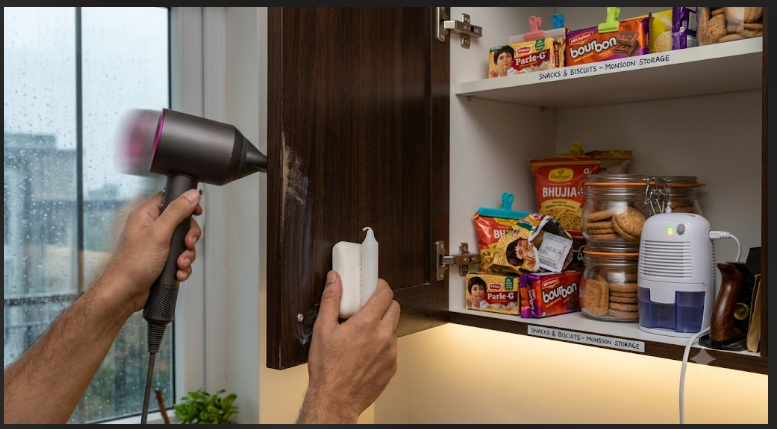
Store snacks on a separate shelf, away from anything that generates heat. In this manner, you won’t be tempted to simply leave anything out on the counter.
Periodically check the weight or feel of your silica sachets. changing a saturated sachet every few weeks maintains the entire system functioning correctly since a saturated sachet feels heavy and stops helping.
Think about getting a tiny dehumidifier for your kitchen if you live in an extremely humid area. although it requires a larger budget, it addresses the issue at its root rather than container by container if it occurs annually.
Frequently Asked Questions (FAQs)
Do i really need silica gel, or will just an airtight container work on its own?
An airtight container by itself is very helpful, but in reality, it isn’t completely airtight because lids are opened and closed frequently, allowing in a tiny quantity of wet air each time. together, the two are more effective than either one alone because the rice bag or silica gel absorbs the remaining moisture.
Can i put biscuits in the fridge to keep them crisp?
Avoiding this is preferable. The inside of refrigerators is really rather humid, and when you take anything out, the temperature differential may cause condensation to collect on the food, which adds to rather than resolves the issue.
Why do some biscuits go soft faster than others?
Ingredients and packaging are important. thinner or less crisp biscuits lose their crunch sooner than thick, solid ones, while biscuits with more sugar or fat level tend to absorb moisture more quickly. certain foods are simply more sensitive to humidity than others, so it’s not something you’re doing incorrectly.