During the last monsoon, black patches appeared on the ceiling of my bathroom. I thought it was dust or old paint degradation. the spots then spread. my bathroom’s walls and ceiling were completely coated in black mold during the third week of nonstop rain. The cement between the tiles became slimy and black. no matter how much I cleaned the bathroom, it still smelled musty.

I used every cleaning solution I could find to scrape the mold. within days, the black dots would reappear after briefly disappearing. because I was treating the symptom rather than the root cause, I began to fight a losing battle. Because my bathroom was always wet, mold had all it needed to grow. so let’s find out how to keep bathroom dry during monsoon in practical way.
- Why bathrooms stay wet during monsoon
- Does your exhaust fan actually work?
- How to use windows without making things worse?
- The Wipe-Down habit that makes all the difference
- Where to put your wet towels?
- How to use Dehumidifiers strategically?
- How to prevent mold before it starts in bathroom?
- Frequently Asked Questions (FAQs)
Why bathrooms stay wet during monsoon
Knowing why your bathroom turns into a moisture trap during the rainy season helps you to figure out the root of the issue rather than just looking at its surface.
The bathroom, which is the most humid room in the house, is capable of excessive moisture and has to be cleaned frequently to avoid the growth of mildew and mold, as well as peeling wallpaper and paint. bathrooms produce a lot of moisture from showers, baths, and ordinary water consumption even in the absence of the monsoon. you have a perfect storm of moisture when you combine it with monsoon humidity.
A hot shower or bath creates a lot of steam, which increases the humidity level in a bathroom. As the moisture drifts in the air, it comes into touch with cooler surfaces and condenses. The water droplets on your ceiling, walls, and mirror are the result of this evaporation. this condensation occurs more quickly and takes a lot longer to lose during the monsoon, when the outside humidity is already quite high.
The issue increases during the rain because the external air is already heavily wet. Frequently, opening a window in an attempt to bring fresh air into your bathroom just results in increased humidity. more condensation is produced by the temperature differential between your warm bathroom and the cool outside air. the air outside cannot absorb any additional moisture, so the water vapor from your shower has nowhere to go.
Does your exhaust fan actually work?
The majority of people are unaware of this. an exhaust fan is required. In reality, the fan has to work well, and you need to use it appropriately.
An extractor fan, which is strong enough to remove moist air from the space and vent it outside your home, must be placed in every bathroom. the crucial term is “powerful enough.” many bathroom fans are either too small for the room or built up dust from years of usage. Although they run, they don’t really move enough air to have an impact.

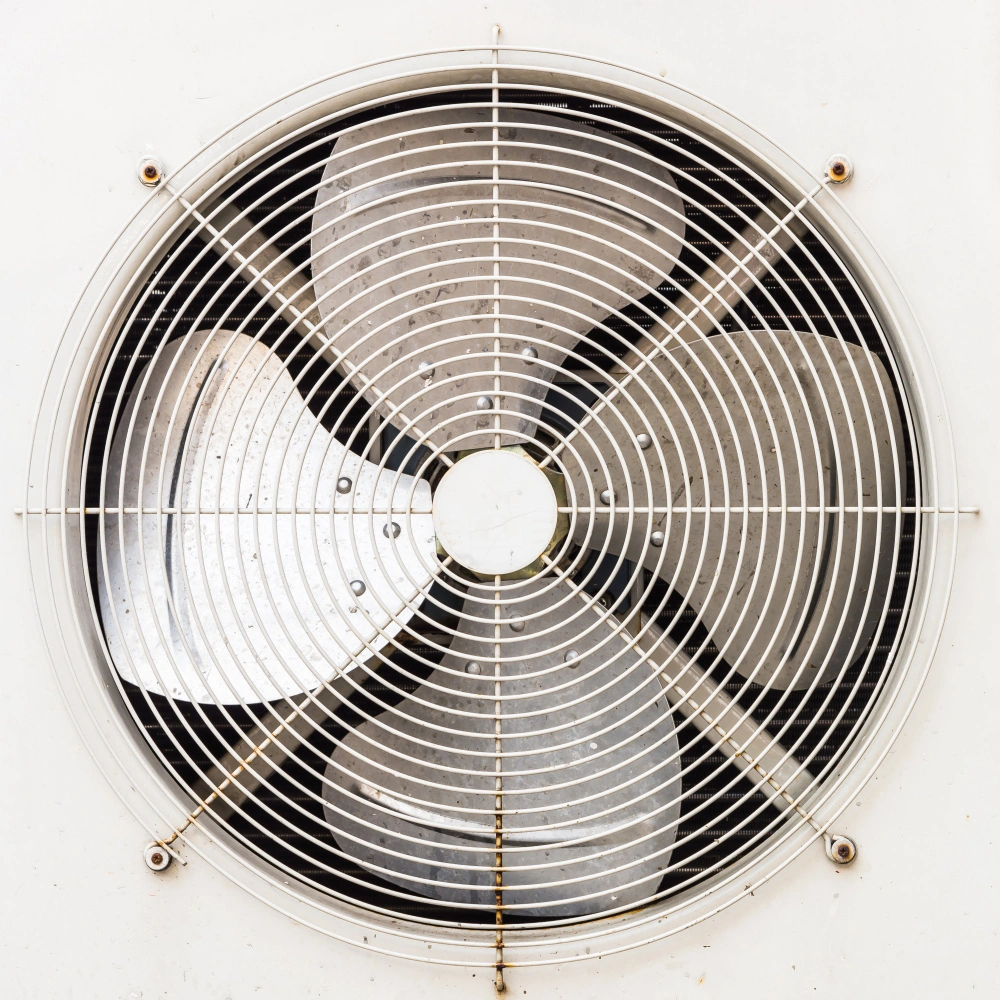
When taking a bath or shower, make sure the fan works and extracting humid air. after taking a shower, let it run for at least half an hour. this is really important. when they exit the restroom, the majority of individuals turn off the fan. turning it off at that moment is completely improper. To get rid of all the steam you just produced, the fan must run following your shower.
A smart approach to make sure you turn on the fan is to have it wired to turn on when you flick the light switch. just don’t forget to leave it running after you’re done. If your fan is linked to the light switch, you will need to either install a timed switch that keeps the fan running automatically for 30 to 60 minutes or make it a habit to return later to turn off the light.
How to use windows without making things worse?
Depending on how and when you use them, windows can either improve or worsen the moisture condition in your bathroom. You wouldn’t believe how important time is.
Keeping your bathroom windows open during and after your shower is one approach to lower humidity if you are lucky enough to have windows that open to the outdoors and the weather permits. the most important factor that many overlook, however, is the weather outdoors. you can’t expect to get good outcomes by just opening windows anytime you want.

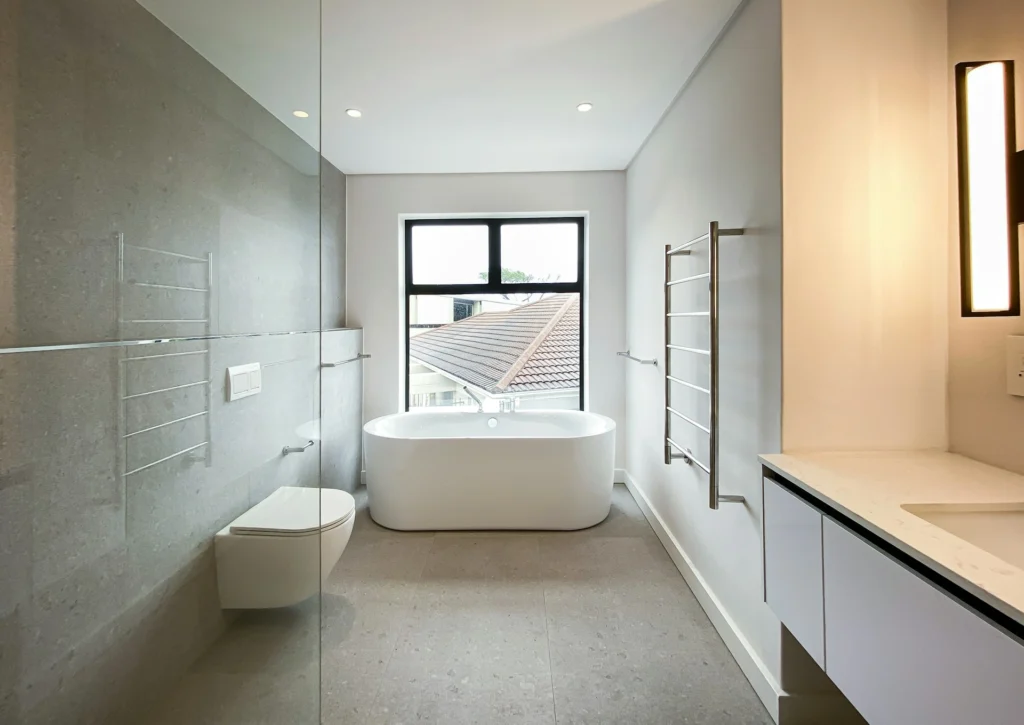
Before taking a shower, open the window, and thereafter, leave it open for around half an hour. Even while an open window lacks the power of an exhaust fan, it can nonetheless help reduce humidity and increase ventilation in the space. before taking a shower, open the window to allow humid air to leave as steam is produced rather than being locked inside.
If you’re planning to grow plants during monsoon, it’s also worth thinking about mosquito prevention early. I’ve shared a practical guide on how to stop mosquitoes in a balcony garden during monsoon, including simple changes that make a big difference.
Unfortunately, a chilly environment might cause your bathroom to lose all of its warmth. The same thing occurs with chilly, wet weather during the monsoon. your bathroom may become uncomfortably cold if you open the windows too much. you should find a balance between comfort and airflow.
The Wipe-Down habit that makes all the difference
During the monsoon, this one habit completely transformed my bathroom. It may appear insignificant, yet it has a huge effect.
Wiping off tiles and surfaces where moisture gathers after a shower is another method of removing humidity from your bathroom. to get rid of any remaining water on the tiles or in the bathtub and shower area, use a towel or cloth. every shower produces moisture. your bathroom remains wet for hours as the moisture rests on surfaces and gradually evaporates back into the atmosphere. unless you remove it with a wipe.

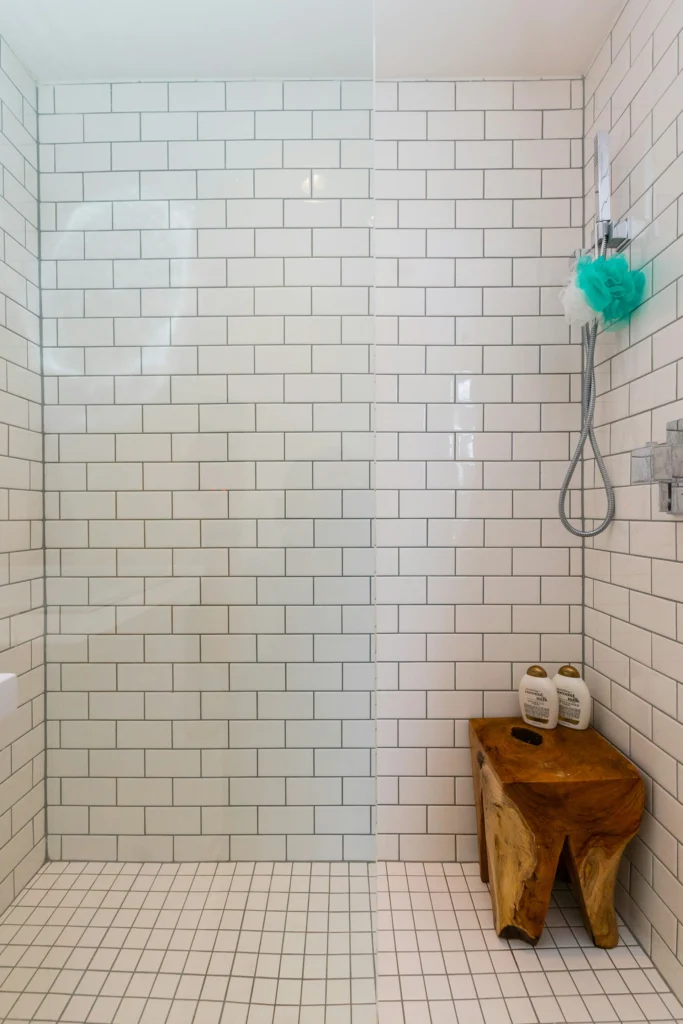
You can use a towel to clean any areas that are wet especially ponds near the drain, after taking a bath or shower. this speeds up the evaporation process and keeps moisture from forming on floors and walls.
For this purpose, I have a special microfiber towel hanging in the bathroom. I immediately wipe off the door, walls, and any other surfaces where water has gathered after taking a shower. It may take two minutes.
Keep in mind that any remaining water, particularly in brick cement, creates the growth of mold as well as mildew. there’s more to those black lines in your grout than simply dust. that’s mold making in the moisture that remains there every day. wiping down surfaces keeps water out of grout lines, which are more difficult to remove.
Where to put your wet towels?
Although it can appear insignificant, the location of where you hang wet towels has a significant impact on the moisture content of your bathroom.
Leaving towels in the restroom looks normal. However, hanging wet towels up after a shower can worsen humidity issues. consider it. after taking a shower, you transfer all of the water from your body to the towel when you use it to dry off. after that, you hang wet towel in your bathroom, which is already humid. water then gradually returns to the bathroom air through evaporation from the towel.

Instead, hang towels on hooks that are installed on the outside of the bathroom door. Another way to allow used towels to dry after use is to drape them over a drying rack in the laundry room or another part of the house. you should remove any wetness from your bathroom. allow towels to dry in an area with better airflow and less humidity.
Additionally, your towels won’t get mildewy and will dry more quickly. the scent of musty towels is familiar to everybody. that’s mold forming on towels that are left wet for too long. When towels are taken out of the wet bathroom, they dry correctly rather than acquiring a smell that stays long after washing.
How to use Dehumidifiers strategically?
A dehumidifier may be the answer for bathrooms that have significant humidity problems. however, there are other kinds what works differently.
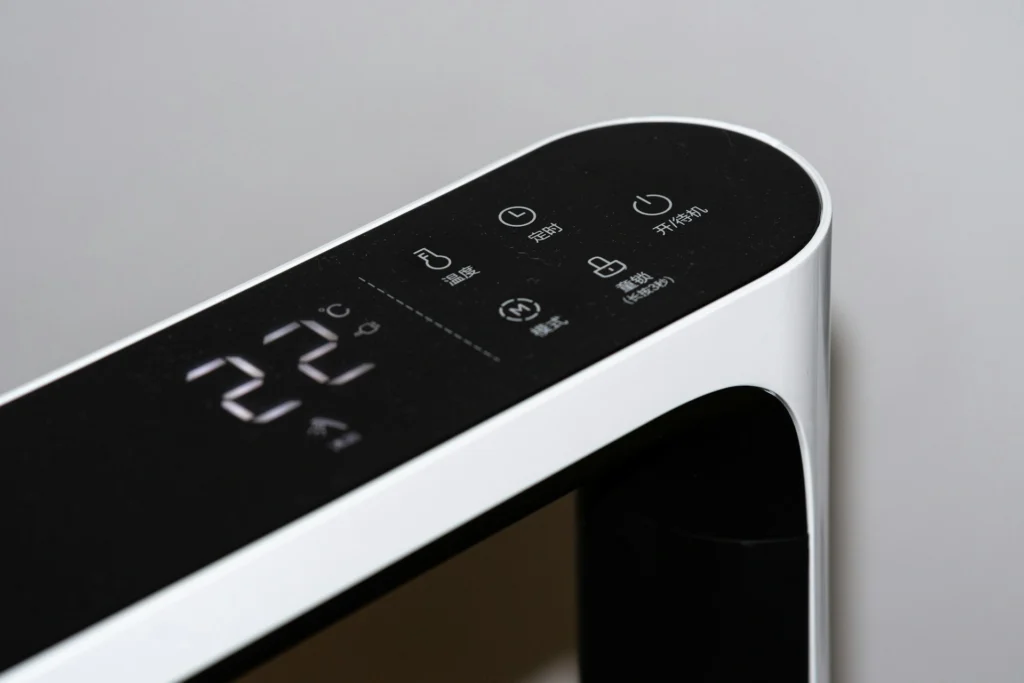
By removing extra moisture from the air in your house, a dehumidifier helps avoid foul smells and wetness. it prevents the formation of mold, mildew, and other microorganisms by regulating humidity levels. by removing moisture from the air, a dehumidifier solves the issue immediately if ventilation and exhaust fans aren’t sufficient to keep your bathroom dry.
You might choose portable humidifiers that you can plug into a bathroom socket or install a whole-house device. bathrooms are a good place for portable dehumidifiers. Bathroom-sized areas can easily fit by small items designed for rooms. let it run during and after showers and put it in a spot where it won’t get splashed.
The number of litres of moisture that a humidifier can gather in an hour or a day to bring a room’s relative humidity between 30 and 50% determines its classification. for a tiny bathroom, a unit that collects less than 40 liters a day is appropriate. standard industrial dehumidifiers are not necessary. bathrooms are a good fit for small capacity units.
How to prevent mold before it starts in bathroom?
It is really hard to completely remove mold after it has taken hold in a bathroom. Removal is far more difficult than prevention.
Take a close look into your basements and bathrooms. are there any blackish growths on the walls? what you see is mold, a toxic, ugly fungus that feeds on moisture and humidity. you should look for early indications of mold in your bathroom on a frequent basis. Mold grows in areas where water tends to gather, such as corners, grout lines, ceiling corners, and around fixtures.
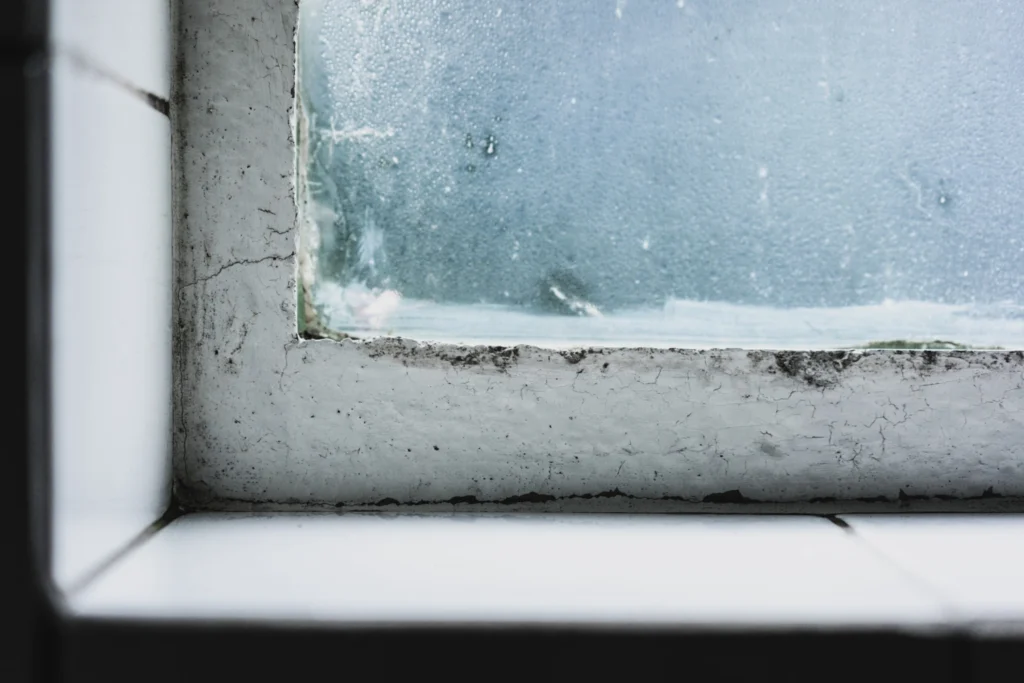
Walls, tiles, shower curtains, bathroom mats, etc. may all be cleaned of mold and mildew with bleach. A vinegar and borax solution can be used as a scrub to the affected regions. Bleach helps on hard surfaces like tiles to get rid of existing mold. spray moldy areas with a mixture of bleach and water, let it sit for a short while, then scrub and rinse. A borax and vinegar solution works better on tiling and porous surfaces.
However, avoiding mold is preferable to combating it. make sure there is proper airflow, manage humidity, clean surfaces after usage, and prevent mold from growing. three factors are necessary for the growth of mold: temperature, moisture, and organic matter. there is warmth and biological stuff (skin cells, soap scum, etc.) in your bathroom. Moisture is the only thing within your control.
Frequently Asked Questions (FAQs)
Why does my bathroom stay wet longer during monsoon?
The air is more humid during the monsoon, which reduces evaporation. Water on walls, floors, and bathroom fixtures thus takes a lot longer to dry. if there is lack of ventilation on wet days may also keep moisture, leaving the bathroom damp for a long time.
What is the easiest way to keep bathroom floors dry?
Wiping the floor after each use and making sure there is enough ventilation are the easiest ways to keep bathroom floors dry. preventing moisture accumulation may also be achieved by placing absorbent mats next to damp places and making sure water drains correctly.
How can I improve ventilation in my bathroom during monsoon?
Keeping windows open whenever possible and allowing air to circulate after using the restroom are two ways to improve ventilation. another good option is to install an exhaust fan, which speeds up drying and helps remove damp air.